1. Home
  2. Computing
  3. News

The Surface 3 will reportedly drop Windows RT, run Windows 10 on power-sipping processor

Add as a preferred source on Google

Everything we’ve learned about Windows 10 in recent months has made it clear that Microsoft wants the OS to be standard across tablets and PCs, and now it seems that the Surface 3 will be designed with that goal in mind.

Microsoft is planning to announce the new tablet at its Build Developer Conference next month, according to a report by WinBeta. It’s thought that the device will drop the mobile-centric Windows RT that was used in its predecessor in favor of Windows 8.1 and, eventually, Windows 10 when that operating system is released. Owners will get a free upgrade to Windows 10, just like owners of any other Windows 8.1 machine. Microsoft recently made clear Windows RT owners won’t be getting Windows 10.

Recommended Videos

The writing has been on the wall for Windows RT for some time now, but this development would seem to be the final nail in its coffin, as it confirms there’s no further devices planned with RT installed. The news also points towards a bridge between the regular and Pro editions of the Surface range.

It’s expected that the Surface 3 will be fitted with an Intel Atom or Intel Core M processor, allowing it to run typical Windows x86 desktop apps. This marks a break from tradition, as only the Pro version of the Surface 2 had such capabilities thanks to its ARM-based processor. Whichever processor it has, the system is expected to be fanless for quiet operation.

It certainly seems that Microsoft is set to position the new Surface as having functionality closer to a traditional laptop than your standard tablet. With a fully-fledged version of Windows running on both the standard and Pro versions of the device, this could well be the edge that the Surface needs to dominate the competitive tablet marketplace.

All of this information comes from WinBeta, which cites confidental sources. The official announcement is expected at Microsoft’s Build Developer Conference which run from April 29 to May 1.

Brad Jones
Brad is an English-born writer currently splitting his time between Edinburgh and Pennsylvania. You can find him on Twitter…
ChatGPT will now remind teens to take breaks and give parents more controls
New parental controls include Quiet Hours, Study Mode defaults, and alerts for serious account violations.
chatgpt-teen-safety-features

OpenAI wants to make ChatGPT safer for teens, and the changes go well beyond a simple content filter. In a new update, the company laid out its stance on why teens should have access to AI in the first place, arguing that keeping them away from it entirely would leave them unprepared for one of the defining technologies of their generation.

Nearly 90% of teens already use ChatGPT weekly for learning, research, or getting organized, which is why OpenAI says access needs to come paired with real protections built for their age.

Read more
ChatGPT’s new search tool saves you from digging through old chats, files, and images
You can also filter ChatGPT search results by content type.
chatgpt-new-search

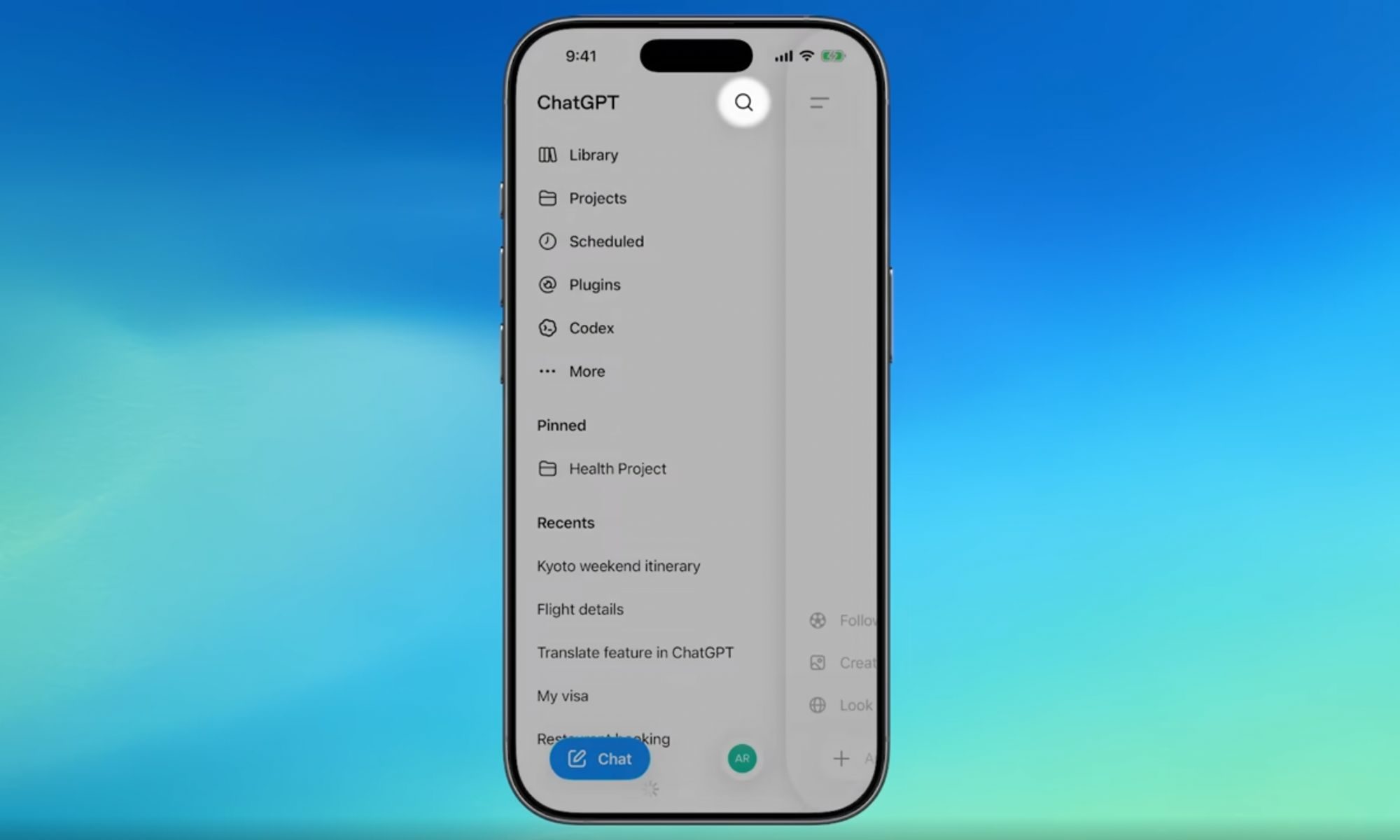
If you have ever lost a great ChatGPT answer somewhere in your endless chat history, that headache is finally over. OpenAI has rolled out a major search upgrade that lets you find old chats, projects, documents, and images all from one place.

Before this update, the sidebar search only pulled up past conversations, leaving uploaded files, projects, and generated images completely out of reach. The new search option is now available across web, iOS, and Android, on every ChatGPT plan, including free accounts.

Read more
You can now link your favorite apps to AI Mode in Google Search to get things done
AI Mode now works with Instacart, Canva, and YouTube Music inside Search.
google-search-ai-mode-connect-apps

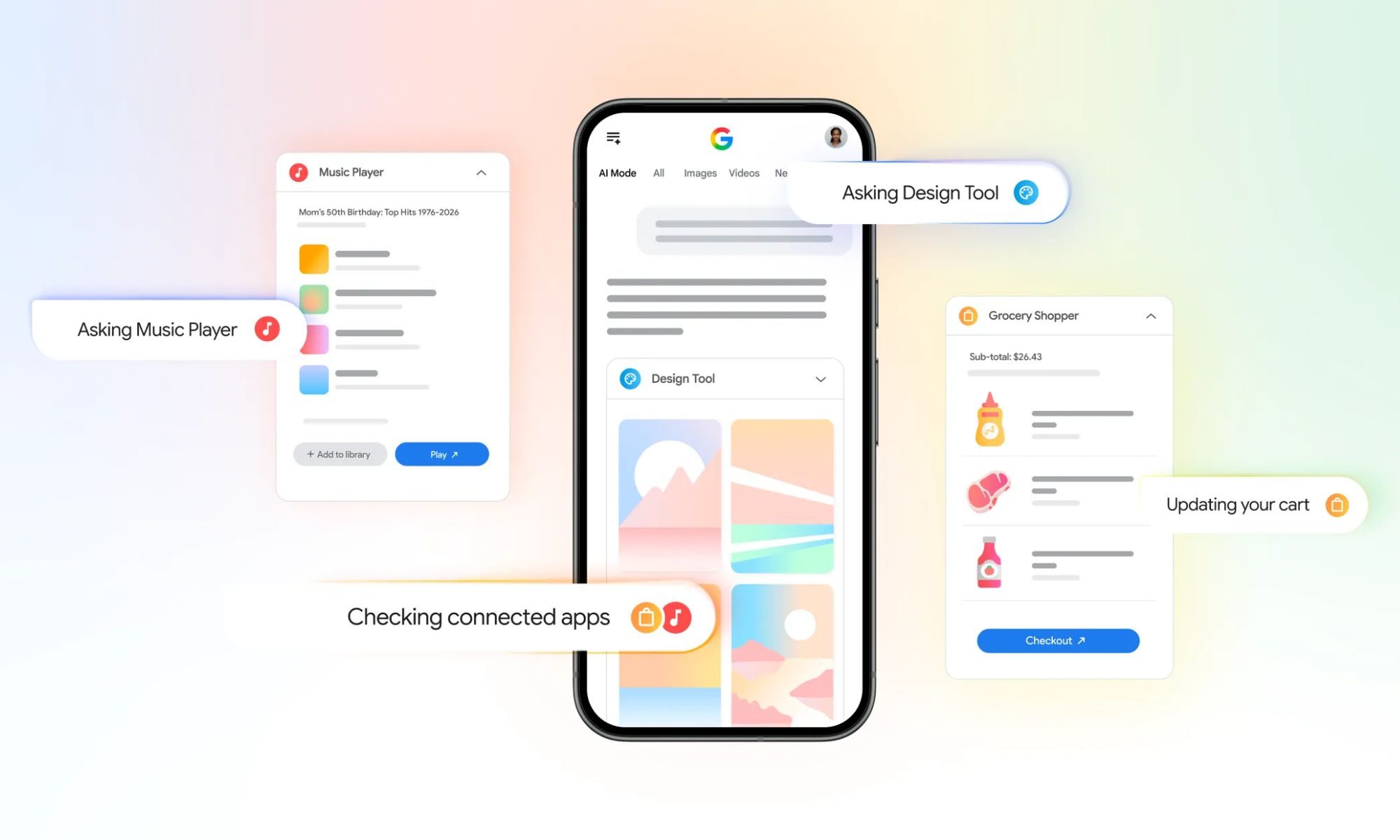
Google is making AI Mode in Search more useful by letting you connect third-party apps. Starting this week in the US, you can securely connect some of your go-to apps directly to AI Mode, letting Search actually complete tasks for you instead of just answering questions.

This update builds on a similar trick Google already pulled off inside the Gemini app, and now it is landing in Search itself. The initial rollout includes three launch partners, Instacart, Canva, and YouTube Music, with Google saying more app integrations are on the way.

Read more