1. Home
  2. Computing
  3. Business
  4. News

Here’s why the PC market dropped 10 percent year on year

Add as a preferred source on Google

The world is not buying PCs like it once was. And that’s a fact, even as those of us excited by new graphics cards and components argue about the merits of AMD’s latest flagship GPUs. Thanks to data from two separate industry analysts, we’ve learned that the market for PCs has dropped about 10 percent since this time last year.

This research comes from Gartner, which claimed there was a 9.5 percent drop in worldwide sales, and the International Data Corporation (IDC), which has it penned as slightly worse at 11.8 percent. While there were some discrepancies between the two company’s stats when it came to individual businesses, they both agreed that over the past 12 months the market for PC buying shrank significantly.

What gives, you ask?

Recommended Videos

While this might seem worrisome, IDC remains unperturbed and insists it’s in line with expectations. The firm suggests that the decline is almost entirely attributable to the ending of Windows XP support last year, which prompted many individuals and organizations to update their systems to bring them in line with more modern hardware requirements.

Gartner, however, believes it is more to do with a stronger dollar compared to local currencies in some territories. This would hinder the ability of some individuals to import systems built within the United States. It also acknowledged that XP support coming to a close had a significant negative effect on the market as well.

Even though neither of these two analysis firms seem to be worried about the decline, those actually selling the hardware may be. While Lenovo maintained its position as the top PC seller in the world — with a 19.7 market share — it saw overall shipments drop by almost a million units for Q2 year-on-year.

The same could be said of other industry heavy hitters like HP, Dell, and ASUS, all of which experienced drops in overall sales of between five and ten percent.

Jon Martindale
Jon Martindale covers how to guides, best-of lists, and explainers to help everyone understand the hottest new hardware and…
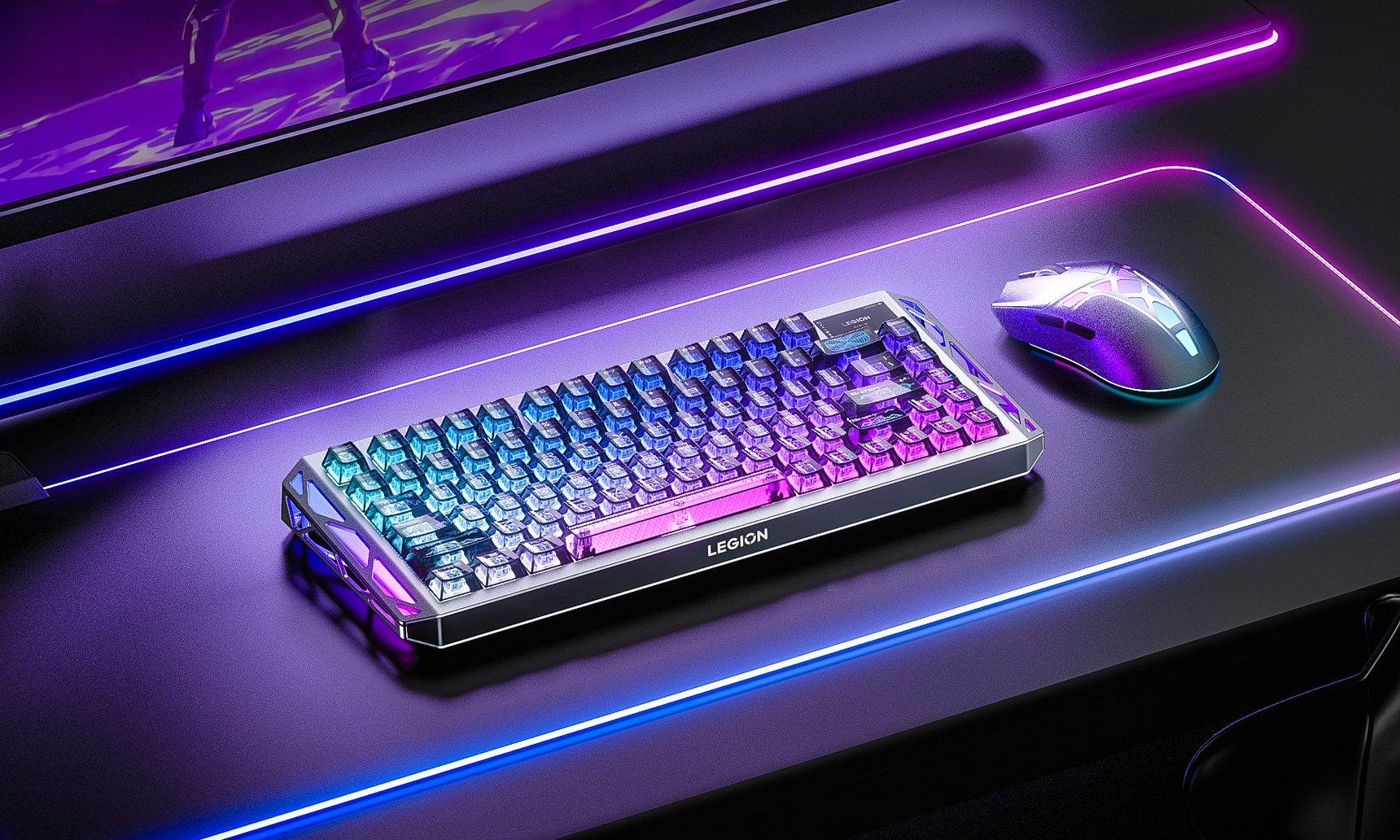
A metallic Hall effect keyboard and a 59g mouse are Lenovo’s latest upgrades for snazzy gaming setups
The Legion R7 RT75 keyboard and Y7MG mouse bring 8K polling to both sides of your gaming setup
Computer, Computer Hardware, Computer Keyboard

Magnetic gaming keyboards and lightweight mice are hardly unusual anymore, but Lenovo is trying to push both ideas a little further with its latest Legion peripherals. The new lineup includes the Legion R7 RT75 keyboard and Legion Y7MG mouse, and both support an 8,000Hz polling rate for players who want every input delivered to their PC as quickly as possible.

Of course, Lenovo has styled these peripherals to be as bold and eye-catching as possible without getting in the way of practicality. The keyboard has a hefty metallic design with translucent keycaps and RGB lighting. Compared to that, the mouse is more tame and traditional in design, but it also has an RGB strip that appears to belong on an alien spaceship. (via NotebookCheck)

Read more
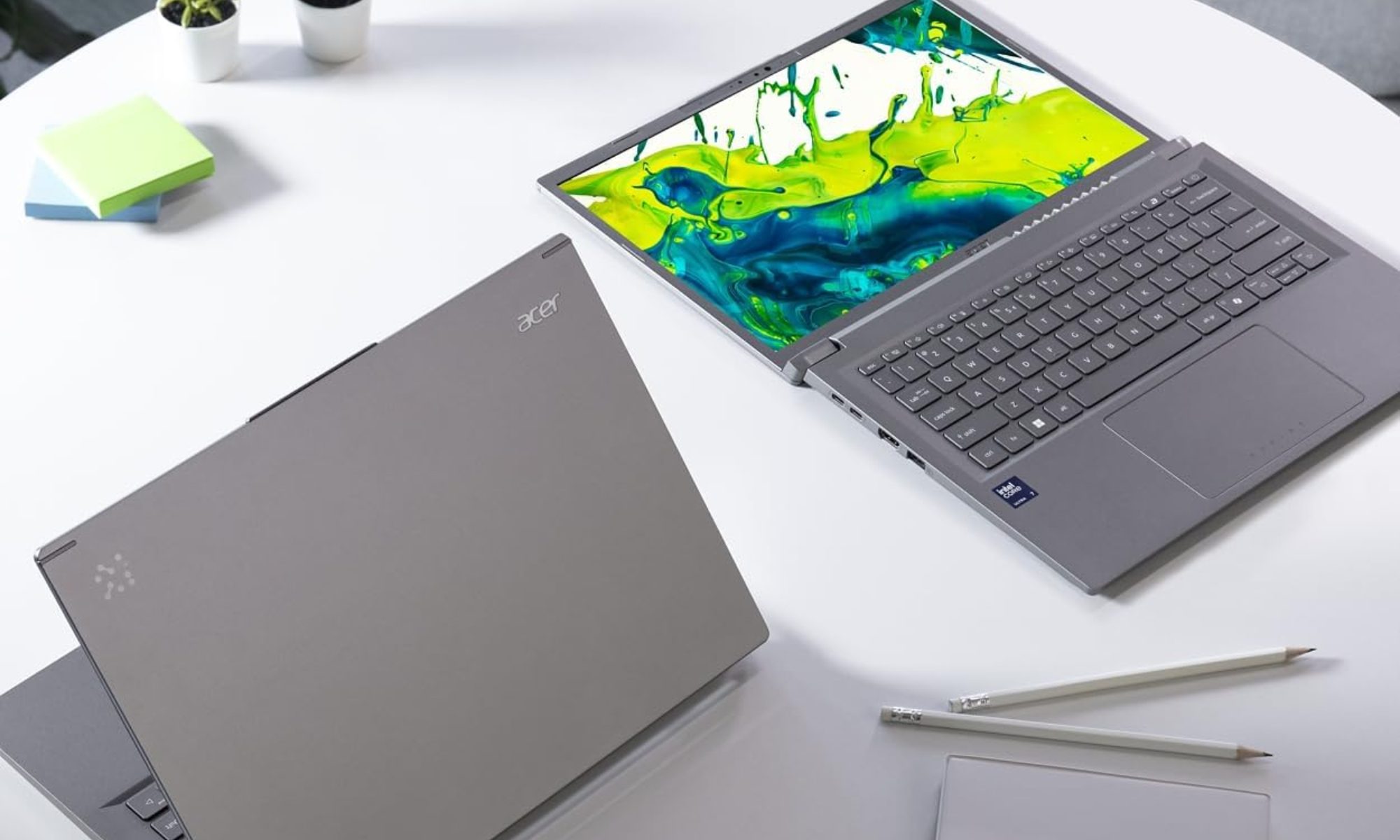
Shopping for back-to-school? These are the budget laptops I’d actually recommend
From a $359 Chromebook to the cheapest way into macOS, these are the budget picks worth your money.
Computer, Electronics, Laptop

The back-to-school season often turns into a laptop, especially the budget ones that aren't too heavy on your wallet. Due to the ongoing memory crisis, most manufacturers have already bumped up their laptop prices, including Apple. However, that doesn't mean that I won't help you get a new machine. So, for this one, I spent time digging through spec sheets, customer ratings, and price tags, finding devices that don't just look cheap in an Amazon listing, but actually hold up. 

From a flexible touchscreen Chromebook to the least expensive way into macOS, these six laptops balance price and performance well. I'd hand any one of them to a student heading back to campus this fall, depending on what they need and what their priorities are. 

Read more
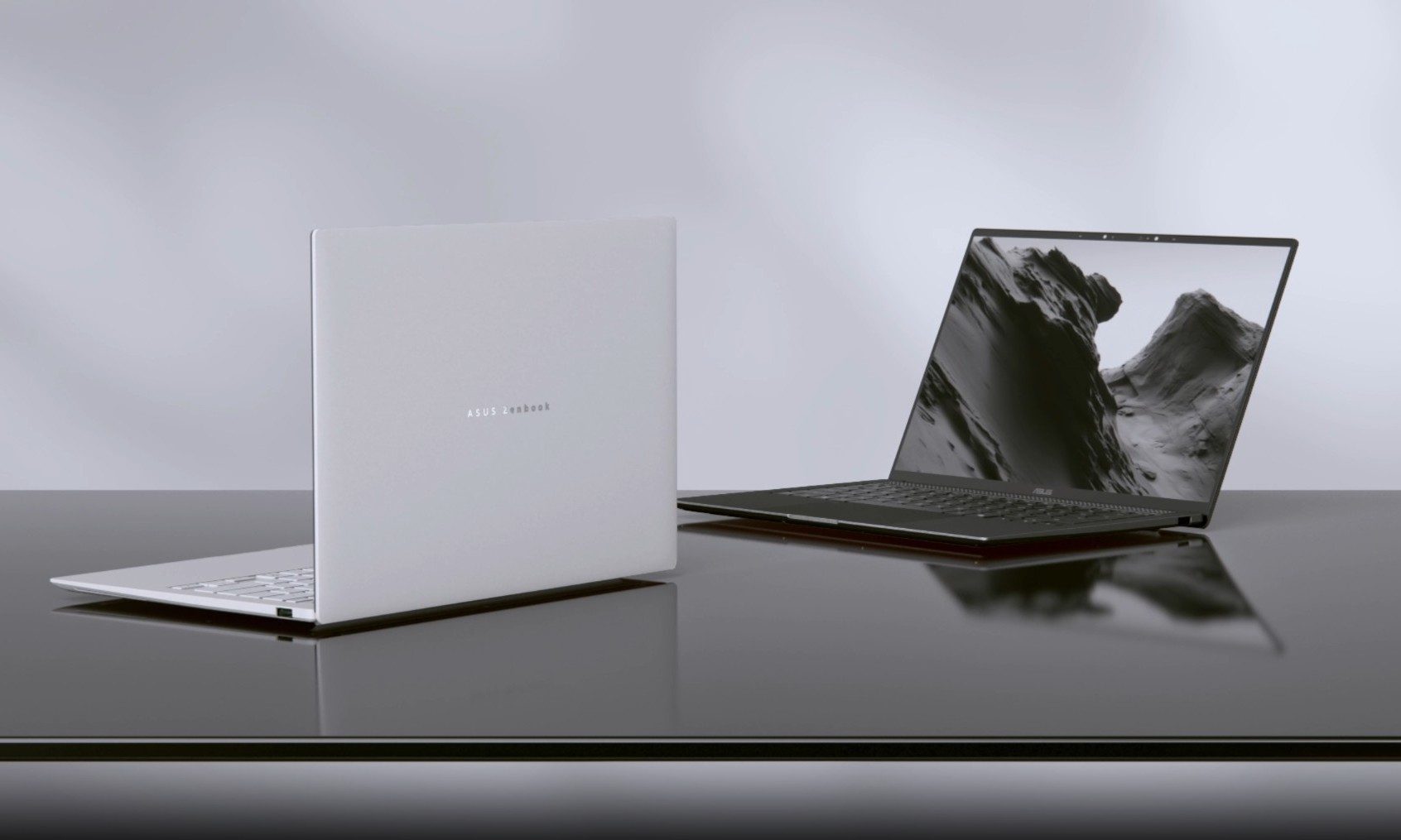
Asus’ latest Zenbook puts a seriously bright OLED screen inside an impossibly slim body
The Zenbook 14 Air is only 11mm thick but still packs a 77Wh battery
Computer, Electronics, Laptop

Asus has introduced a new AMD-powered version of the Zenbook 14 Air 2026, combining a bright OLED display and a large battery inside an 11mm-thick chassis. It weighs 1.19kg, keeping it firmly in ultraportable territory despite the 77Wh battery inside.

The Zenbook 14 Air 2026 itself is not entirely new. Asus launched an Intel configuration powered by the Core Ultra 9 386H in China back in January. The latest version switches to AMD’s Ryzen AI 7 H 445 and is priced at CNY 9,999, or around $1,477. (via Notebookcheck)

Read more