1. Home
  2. Smart Home
  3. Photo Galleries
  4. News

Architects design homes and schools for camps refugees can build themselves

Add as a preferred source on Google

Since 2011, over 4 million Syrians have left their homes to avoid the civil war, with roughly 629,000 going to Jordan. A hundred thousand live in refugee camps there, including at the Middle East’s largest camp, the Za’atari. There, over half of the occupants are children, and it’s difficult to educate or train them, according to the U.N. Refugee Agency.

After three years, many of the camp’s tents have been replaced with prefabricated housing, but it’s also home to a unique school, the product of Re:Build. Architects Cameron Sinclair and Pouya Khazaeli worked with Save the Children, Relief International, and Pilosio Building Peace to construct a building made of scaffolding; gravel, sand, or stones; and a roof that has solar panels.

What makes the structures unique is that they take no construction knowledge, so the refugees can build them on their own. The materials are at their fingertips, because the local rocks or sand provide the insulation. While the Re:Build project has only made two schools thus far, the architects say the structures could also be used as homes and clinics. The modular buildings are designed to break down easily, too, so people can take their houses with them.

The sustainable structures have containers to collect rainwater, plywood floors, and a soil roof that can grow crops. When the refugees put up the structures, they’ll be paid for their work; it’s meant to make people feel a little more empowered, Sinclair told Fast Company:

“By engaging the refugees as paid laborers ensures that they once again feel in charge of their own destiny and leave with the skills to reassemble the school back in their home country,” he said.

Constructing the schools cost $33,000 a piece and took two weeks. Though it’s not exactly cheap, it was faster and less expensive than a traditional school, and it took no electricity or water. Sinclair thinks it’s worth the cost, because of what it will mean for kids living in the camps. “When a child has nothing to live for, they have everything to die for, and lack of compassion breeds distrust and hatred. This is more than the right to education; this is the right to believe in a positive future,” he said.

Jenny McGrath
Former Senior Writer, Home
Jenny McGrath is a senior writer at Digital Trends covering the intersection of tech and the arts and the environment. Before…
Remember Samsung’s Ballie home robot? It may finally be inching closer to reality
Leaked app wireframes give the strongest hint yet that Samsung's Ballie home robot, first shown at CES 2020, might still be headed toward an actual release.
Samsung Ballie robot in a room next to a dog feeder.

Samsung's rolling home robot has been the industry's longest-running "will it ever actually ship" joke, and I'll admit I'd mostly given up on it. Now, there's finally a glimmer of hope.

Samsung first unveiled Ballie as a concept at CES 2020. Then, it showed it as a significantly upgraded version four years later. However, the company never confirmed a release date or committed to releasing it at all. 

Read more
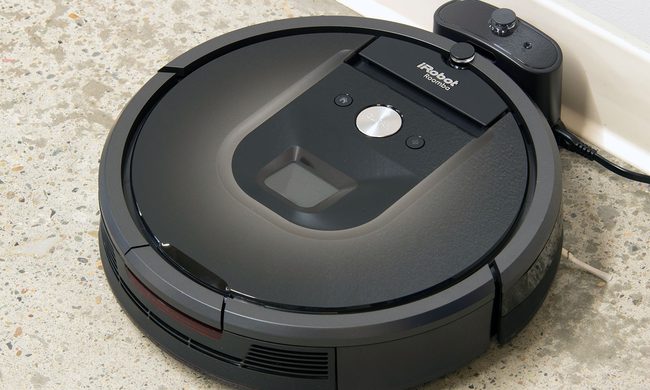
The US foreign-made robot crackdown is coming for future Roombas too
Future Roombas face new US sales hurdles, but existing models are unaffected
Roomba 980

The FCC has already made it much harder for foreign drone makers such as DJI to bring new products into the US. Now, the same crackdown is reaching a machine far more likely to be moving around your living room.

The US government recently added foreign-made advanced robotic devices to the FCC’s Covered List. The announcement appeared focused on humanoids, robot dogs, and industrial machines, but an FCC spokesperson has confirmed to The Verge that robot vacuum cleaners are covered too.

Read more
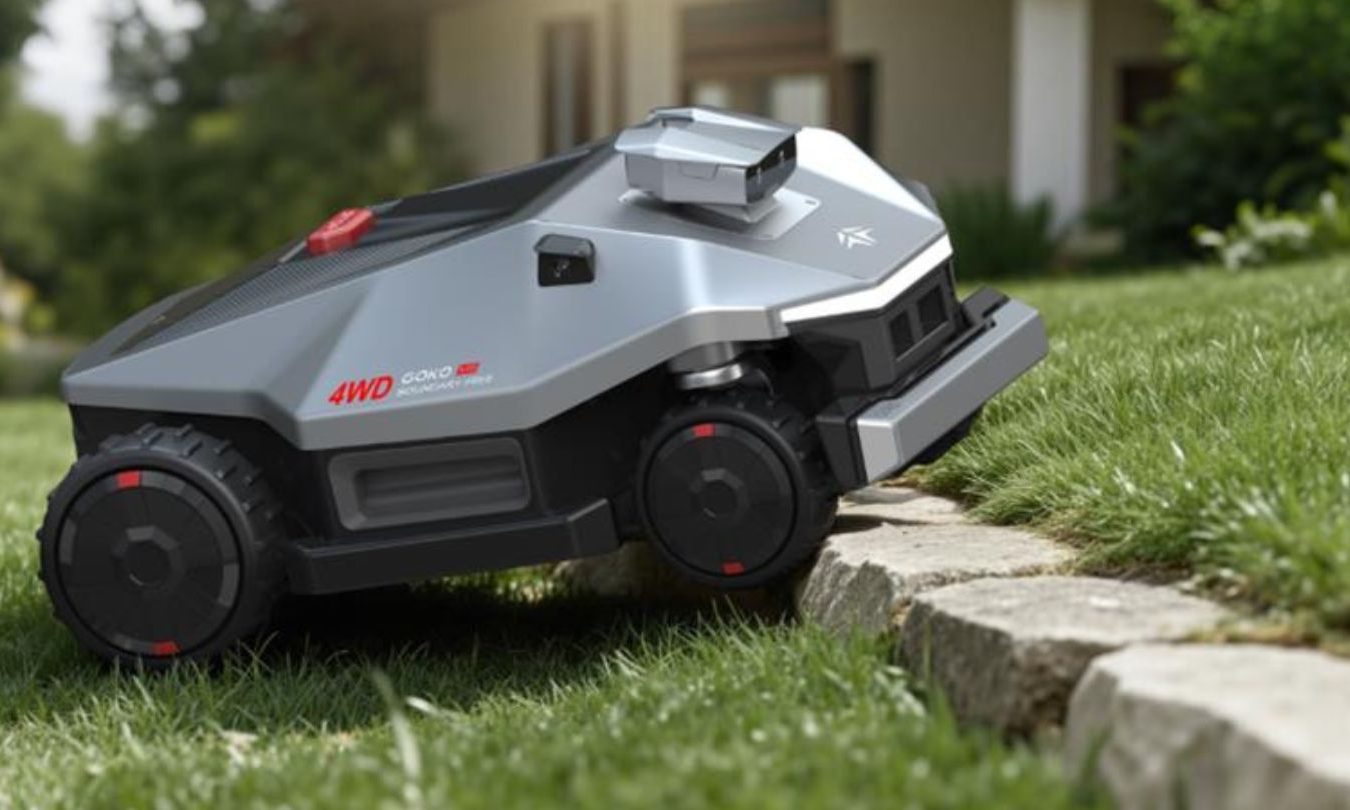
The GOKO M6 Robotic Lawn Mower Brings Industrial Robotics to Modern Lawn Care
7 reasons this AI-driven powerhouse makes hands-free yard work smarter than ever
Grass, Lawn, Plant

Robotic lawn mowers can save homeowners hours of manual yard work, but not every model is designed for challenging properties. While many perform well on flat lawns, larger yards with uneven terrain, steep slopes, and multiple mowing zones require a mower built for more demanding conditions.

Developed by GOKO, the consumer robotics brand of Robot++, the GOKO M6 is an industrial-grade 4WD AI-powered robotic lawn mower that brings more than a decade of industrial robotics expertise to residential lawn care. It combines AI-powered four-wheel drive, advanced navigation technologies, and AI QuadVision obstacle detection to tackle complex landscapes with less manual intervention.

Read more