1. Home
  2. Computing
  3. Web
  4. News

McAfee has an interesting theory about the Ashley Madison hack

Add as a preferred source on Google

John McAfee may no longer be associated with the famous security company he founded, but he still writes about and consults on the topic, and he now claims to know the Ashley Madison “hack” was, in fact, data stolen by a “lone female who worked for Avid Life Media.”

His argument relies on two separate bits of evidence. First, McAfee says the files found in the leaked database contain some peculiarities that he wouldn’t expect a hacker to normally access. “The data contains actual MySQL database dumps,” he says, adding “this is not just someone copying a table and making [it] into a .csv file.”

Recommended Videos

In addition, the hack contains a lot of insider information. This includes employee stock options, the layout of the Ashley Madison offices, and the source code of every program ever written by the company’s employees. Further, McAfee says statements made by the alleged hackers seem to be hostile towards certain employees, like the company’s VP of Information Technology, and favorable towards others.

And how does McAfee knows the leaker is a woman? It’s all about the insults the hacker has levied. “The more telling was a statement calling men ‘scumbags’” says McAfee. “I think in any language this would suggest that a woman is speaking.” In addition to that, he notes the hacker’s first manifesto uses the term “spiteful” in reference to joining Ashley Madison after Valentine’s Day. According to McAfee, men have trouble even remembering Valentine’s Day exists, so the attacker must be a woman.

Serious legal issues continue to hound McAfee. Belize authorities sought him as a person of interest in a 2012 murder case, causing him to flee to Guatemala, where he was then deported to the United States. In early August, 2015, he was arrested in Tennessee on DUI charges and possession of a firearm while intoxicated.

McAfee has a great deal of experience in the security world, so his opinions cannot be easily dismissed. His theory about the type of files stolen, and the manner in which they were stolen, are likely worth closer examination. As such, it seems McAfee’s claims are best filed as plausible, but far from proven. All the evidence is circumstantial or grounded on broad generalizations. Personally, I’ll wait until more evidence makes these same connections before I entertain that they may be true.

Matthew S. Smith
Matthew S. Smith is the former Lead Editor, Reviews at Digital Trends. He previously guided the Products Team, which dives…
You can now edit videos in Google Vids by simply describing the changes
Gemini Omni powers Google Vids’ new editing tools, and personal avatars are joining too
Google Vids gets Gemini Omni

Google is bringing Gemini Omni and personal avatars to Google Vids, expanding the app’s AI-powered video creation tools for paid users. Gemini Omni can now generate and edit clips through natural language, while personal avatars let users appear in videos without recording themselves on camera.

Vids already offered Veo-powered video generation, AI presenters, screen recording, and tools for turning Slides presentations into narrated videos. Omni expands that setup into a more complete editing workflow, where users can keep refining a clip through conversation instead of rebuilding it after every change.

Read more
NotebookLM just got a new name and a serious upgrade for Google AI Pro subscribers
Gemini Notebook, as it’s now called, will roll out the features that debuted on the Ultra tier last month to Pro users in the coming weeks.
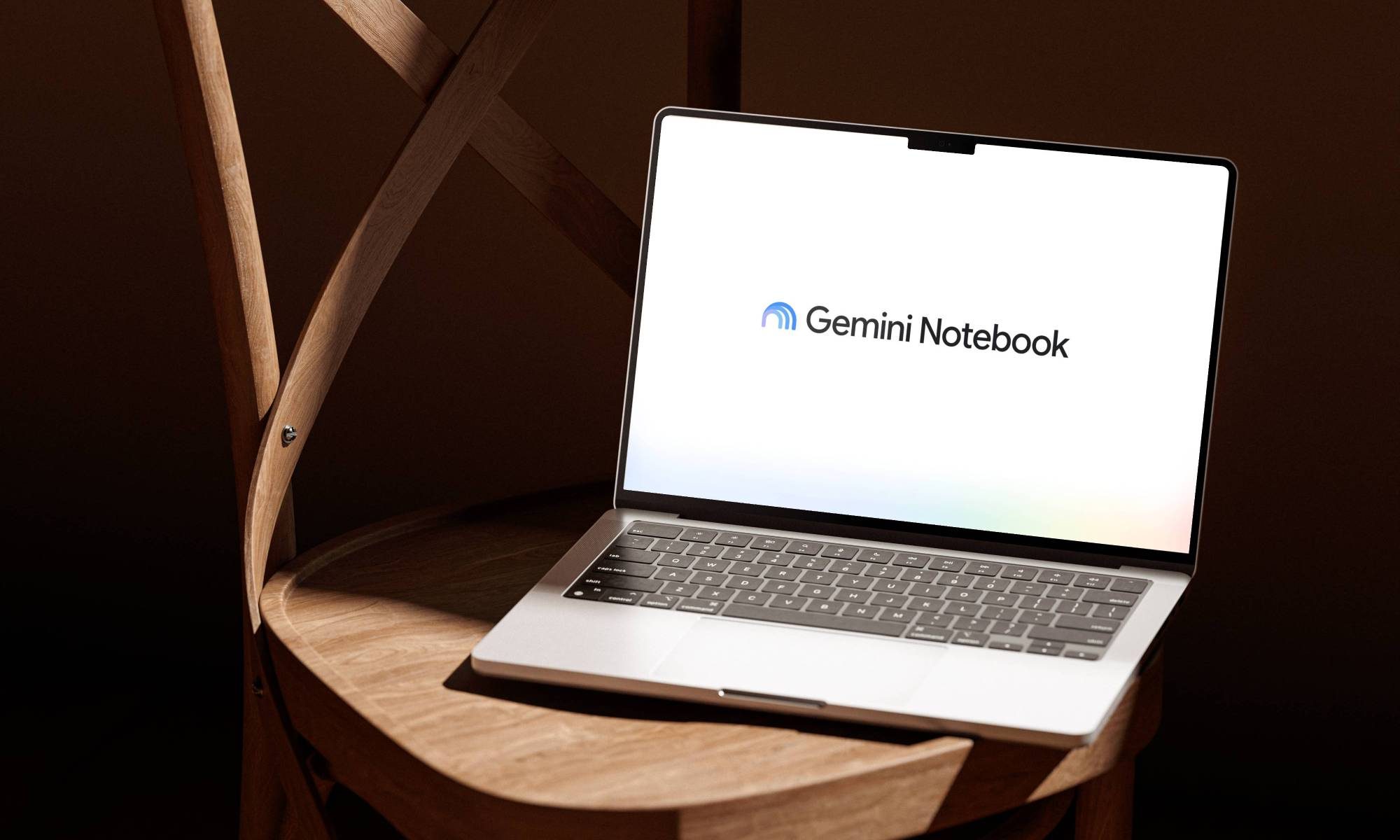
Gemini Notebook branding on a MacBook

Google is retiring the NotebookLM name, and the AI research tool is being rebranded to Gemini Notebook, folding one of the company's most useful products deeper into its main AI brand. Alongside the rebrand, Google is expanding one of the tool's most powerful features to more users, which was previously limited to those on the Google AI Ultra plan.

The upgrade Pro users have been waiting on

Read more
Meta AI will bring parents into the loop when teens mention self-harm
Human reviewers will check flagged teen chats before parents receive self-harm alerts
Electronics, Mobile Phone, Phone

AI chatbots have made it remarkably easy to talk about things people might struggle to share with someone else. For teenagers, that can include deeply personal topics such as anxiety, loneliness, self-harm, and suicide.

Meta is now adding another safeguard for those conversations. The company will begin alerting parents when a supervised teen appears to be in serious distress while speaking to Meta AI, giving families a chance to step in before the situation gets worse.

Read more