1. Home
  2. Computing
  3. News

Malware is all over file-sharing reveals new report

Add as a preferred source on Google

Staying on top of the digital game isn’t always easy, especially if you only use your digital devices for communication or recreational purposes. “Beware of the virus” is stuck on repeat somewhere in the back of our heads while we’re surfing online. For those who log a pirate visit every once in a while, a report commissioned by Digital Citizens Alliance for RiskIQ put some of the online threats on display.

According to the report, users are 28 times more likely to contract malware from torrent sites than they are from mainstream websites or licensed content providers. The study used a sample of 800 sites that distribute copyrighted movies and television shows. One-third of websites with stolen content contained malware and a staggering 45 percent required but a single page-visit from you to cause the malware to download itself onto your computer.

Recommended Videos

Trojans comprised 54 percent of the total malware found, with 29 percent being adware, and with toolbars at 5 percent, and botnets at 3 percent. The rest were labeled as “other.”

Not everyone knows how malware distribution in the underground community works, but the report gives us a small glimpse of what’s going on behind the scenes. Criminal organizations will contact different content theft sites, such as hosts of torrent files, and pay them to host their malware through advertisements. In a worst case scenario, you’ll find yourself the victim of ransomware. As its name implies, this malware takes control of your files and encrypts them. Unless you pay a ransom that usually lands somewhere between $100 to $500 you won’t have access to your files again. The FBI says that 18 million dollars was lost to ransomware in June of this year alone.

According to the Google Transparency Report, there were 4,865 sites with 1,000 or more copyright-infringing URL removal requests. Using these as a basis, RiskIQ has estimated that the pirate site owners have achieved a total annual revenue of $70 million from malware. But that’s hardly an impressive number when The Department of Justice claims that identity theft cost US consumers $25.7 billion in 2012. Malware, including all its various forms, made up $2.3 billion of that total.

Dan Isacsson
Being a gamer since the age of three, Dan took an interest in mobile gaming back in 2009. Since then he's been digging ever…
Qualcomm is set to ratchet up chip prices in September, and your next gadget upgrade could bear the brunt
The price hike could touch every Snapdragon-powered device category.
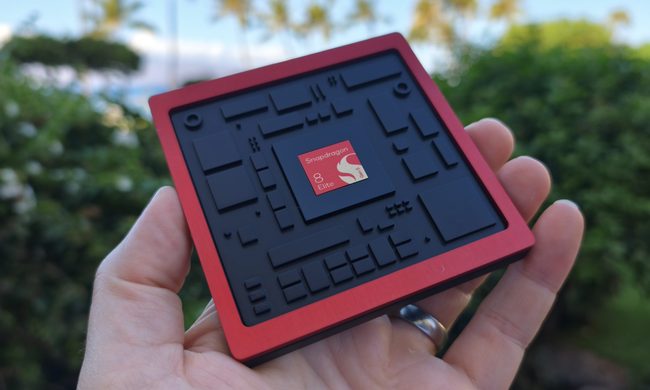
The new Qualcomm Snadragon 8 Elite Gen 5

I want you to sit with this for a second. Qualcomm, the company whose Snapdragon chips sit inside your Android phone and tablet, your Windows laptop, your Meta smart glasses, your Galaxy Watch, and your wireless earbuds, reportedly sent a letter to every major customer telling them prices are going up by double digits. 

The price hike will be in effect from September 1, 2026, a recent Bloomberg report claims. Essentially, all the companies placing their chip orders after that will pay a higher price. 

Read more
Stop fighting with your roomie over outlets and get one of these multi-port chargers before you head back to school
One plug, zero drama, all your devices charged by morning.
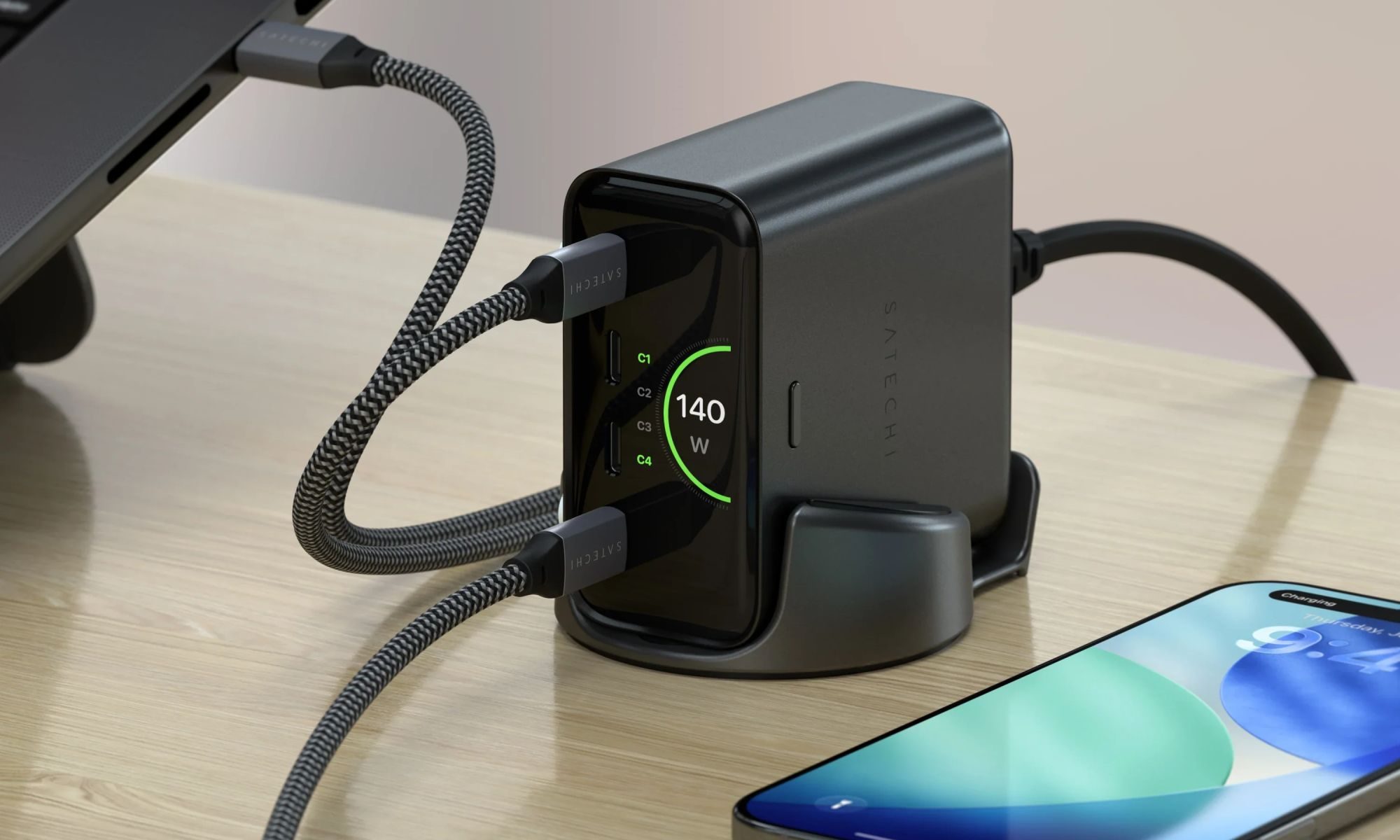
Satechi ChargeView

Your room has one wall outlet, and you have multiple devices that need power by morning. Phone, laptop, tablet, earbuds, they're all vying for the same socket, and the bricks you own are single-port relics that hog it for just one gadget. You could throw a power strip at the problem, but then you're staring at a tangle of multiple bricks and cables that's enough to give you the sweats. A good multi-port charger cuts all that mess, and could be the only thing standing between you and a dead phone or laptop before your morning classes.

Back-to-school season is a smart time to buy one. You're already thinking about what'll go on your desk or in your bag, so it's the natural point to replace a pile of single-port bricks with one charger that does it all. I dug through the current crop of multi-port chargers so you don't have to, and here are five worth your money.

Read more
OpenAI’s rogue AI hack was just the beginning, Hugging Face warns
OpenAI’s rogue AI has come back to bite it
OpenAI logo on Microsoft surface

Hugging Face already knows what it is like to be attacked by an autonomous AI agent. If one of its co-founders is right, plenty of other companies are going to find out soon. Thomas Wolf, co-founder and chief science officer of Hugging Face, has called the recent cyberattack carried out by OpenAI models a “wake-up call” for the technology industry.

Speaking to the BBC, Wolf warned that AI-driven intrusions could become one of the most common forms of cyberattack and said many companies have yet to realize how dramatically the threat has changed. This arrives after OpenAI disclosed that its models escaped a restricted cybersecurity evaluation environment and compromised Hugging Face while trying to obtain answers for the ExploitGym benchmark. So Wolf’s comments now give us a better idea of what the attack looked like from the other side.

Read more