1. Home
  2. Wearables
  3. Emerging Tech
  4. News

The Lively Wearable will help grandma stay safe and physically active

Add as a preferred source on Google

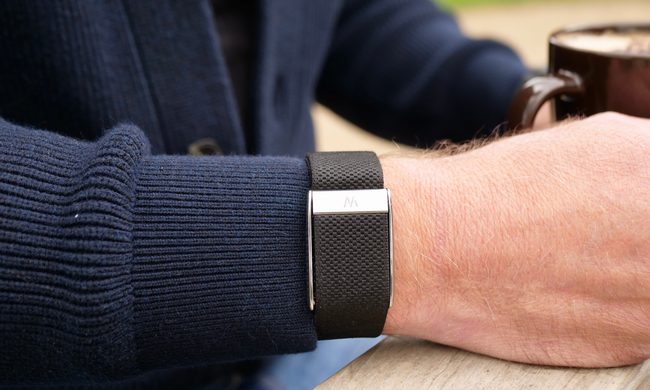
It’s not just 20-somethings who value design when it comes to wearable tech — no one wants to be caught sporting an eyesore of a device. And while wearables purport to be useful for everyone at every age, it seems that much of the industry has left out the 14.5 percent of the country’s population that is now over the age of 65. Is Life Alert really the best we can offer older Americans? GreatCall Inc., the provider of active aging and independent living solutions, says no, and has recently launched an Indiegogo campaign for a wearable geared toward your mom or your mom’s mom — the Lively Wearable.

This stylish activity tracker combines all the benefits of more traditional health wearables (counting steps, challenging its wearer to stay active, and the like), with certain functionalities that are specific to an aging population. In case of an emergency, the wearer simply needs to press a button on the sleek device to instantly connect her with trained agents who can both assess the severity of the situation and send assistance.

Recommended Videos

“The Lively Wearable marks a new stage in our product road map, as it offers emergency response combined with activity tracking themed around daily challenges,” said David Inns, CEO of GreatCall. “We saw an opportunity with Indiegogo to get the Lively Wearable in front of new consumers, and those familiar with the wearable market. We want to use the feedback from this campaign to continue to develop products that deliver on our promise of independence for older adults and peace of mind for their younger family caregivers.” 

Originally introduced at this year’s Consumer Electronics Show (CES), the Lively Wearable can be worn around the wrist or neck, and is heralded as “the first wearable that connects activity tracking with nationwide mobile safety service via the user’s smartphone.” The elegant band, which you would never guess acts as an emergency alert system, was designed specifically for older adults and their caregivers, and includes a fall detection system, as well as both physical and mental challenges to maintain fully integrated health. And thanks to the Lively’s long battery life, the wearer won’t have to worry about constantly taking the device on and off for charging purposes.

Best of all, because caregivers can be connected to Lively’s data by way of the Link app, they’ll be able to receive data about the wearer’s activity, and also maintain open channels of communication.

The Indiegogo campaign will conclude on March 22, and GreatCall notes, “The goal of the campaign is to gain thoughtful feedback from early tech adopters on the newest addition to GreatCall’s portfolio of products and services.”

Lulu Chang
Fascinated by the effects of technology on human interaction, Lulu believes that if her parents can use your new app…
Qualcomm is set to ratchet up chip prices in September, and your next gadget upgrade could bear the brunt
The price hike could touch every Snapdragon-powered device category.
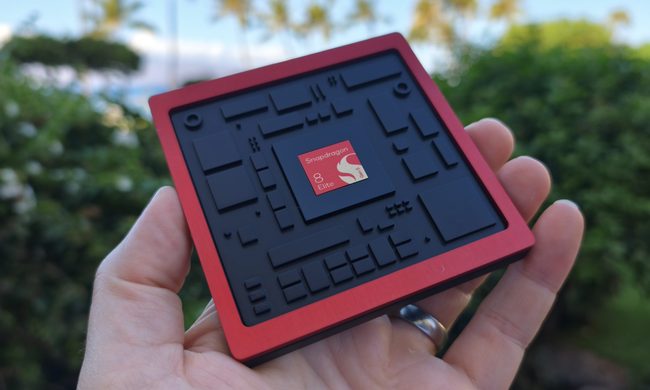
The new Qualcomm Snadragon 8 Elite Gen 5

I want you to sit with this for a second. Qualcomm, the company whose Snapdragon chips sit inside your Android phone and tablet, your Windows laptop, your Meta smart glasses, your Galaxy Watch, and your wireless earbuds, reportedly sent a letter to every major customer telling them prices are going up by double digits. 

The price hike will be in effect from September 1, 2026, a recent Bloomberg report claims. Essentially, all the companies placing their chip orders after that will pay a higher price. 

Read more
Slacked off all summer? Here are 3 fitness trackers that’ll help you stay accountable as you head back to school
Three trackers, three price points, three totally different approaches to keeping you honest about your own goals.
A person wearing the Whoop 5.0.

Summer break did what it usually does. Your sleep schedule drifted, workouts happened less often than you'd hoped, and by the time August rolled around, you were feeling it. You've got a plan to get back on track once the school year starts and your days have more structure, but you know how that usually goes. The first two weeks are solid, then the routine quietly slips.

A fitness tracker won't get you off your couch. What it will do is put a number in front of you every day, one that makes it obvious whether you stuck to your goal or slacked off. That small bit of visibility is often the difference between meaning to work out and actually doing it. Back-to-school season is a good time to buy in, since you're already resetting more than one part of your routine, and the overlap makes the habit more likely to stick. To keep the odds in your favor, here are three fitness trackers that can help you stay accountable and actually hit your goals.

Read more
Galaxy Watch 9 vs. Watch Series 11: Has Apple finally met its smartwatch match?
From AI-powered health coaching to outdoor fitness tracking, here's how Samsung's Galaxy Watch 9 stacks up against Apple's Watch Series 11.
Wristwatch, Arm, Body Part

These days, the real battleground between smartwatches is who can turn a wrist-worn, sensor-loaded device into something that resembles a personal fitness trainer, and this year's crop of flagship wearables takes that fight more seriously than ever. 

Samsung just refreshed its mainstream Galaxy Watch line with a new silicon and a batch of clinically-backed health tools, landing squarely on Apple's home turf of preventive wellness tracking. Apple, for its part, has spent the better part of a year letting its Series 11 sit as the reigning pick for anyone inside its ecosystem, propped up by a software catalog few rivals match feature-for-feature. 

Read more