1. Home
  2. Phones
  3. Cars
  4. Mobile
  5. News

Using a cell phone jammer just cost this guy $48,000

Add as a preferred source on Google

A Florida man who used a signal jammer during commutes in an effort to stop drivers using their handsets has this week been hit with a $48,000 fine by the Federal Communications Commission (FCC).

Considered a threat to public safety for their potential to hamper the work of emergency response teams, the devices are illegal to own and use.

Recommended Videos

It’s thought that when Jason Humphreys was caught in 2014, he’d been blocking phone signals along part of Interstate 4 between Seffner and Tampa for up to two years.

Cops managed to track him down after MetroPCS reported that some of its cell phone tower sites were experiencing interference at particular times of the day – in other words, when Humphreys was driving to and from work.

The FCC proposed the $48,000 fine two years ago but this week finally made it official, according to the commission’s own documents.

Humphreys reportedly told cops he’d been using his jammer from inside his Toyota Highlander to prevent phone owners from talking while behind the wheel, despite there being no law in Florida against such behavior.

The FCC listed Humphreys’ offenses as “unauthorized operation, use of an illegal device, and causing intentional interference.” It said at the time that because of the nature and extended duration of the violations, it’d propose the statutory maximum of $16,000 for each offense.

In another case, the FCC on Wednesday finalized a much bigger fine – $34.9 million, to be precise – to a Chinese firm caught selling the jammer online over a two-year period. When the firm’s actions were uncovered in 2014, it was alleged that CTS Technology had also lied to consumers, telling them the jammers were FCC-approved. According to the FCC, the company’s jammers “ranged from small, concealable devices that would block cell phone or GPS communications for a radius of only a few yards, to high-powered jammers that could disrupt a wide range of communications systems for several blocks.”

The commission’s Travis LeBlanc added, “In today’s mobile world, cellular, GPS, and other signal jamming devices seriously jeopardize communications, business operations, and public safety. Marketing or selling these devices to the public is unlawful and comes with substantial penalties.”

Trevor Mogg
Contributing Editor
Not so many moons ago, Trevor moved from one tea-loving island nation that drives on the left (Britain) to another (Japan)…
Vibecoded apps are flooding Apple’s App Store, and users are getting sick of them
App Store submissions have doubled this year as AI tools make it easier than ever to build an app, but downloads haven't kept pace, and for good reason.
Apple App Store homepage on an iPhone

Apple's App Store is in the middle of its steepest submission surge in years. Developers submitted nearly 600,000 new apps last year, marking a 30 percent jump over the previous year. That number has already doubled to roughly 560,000 new apps in just the first six months of this year, according to estimates from analytics firm Sensor Tower cited by the New York Times. The reason behind the spike is vibecoding, which allows people with no prior development experience to create new apps using AI tools.

A familiar boom, with a twist

Read more
Google Photos adds a quick toggle between AI and classic search
Classic search is finally easier to reach for people who enabled Ask Photos
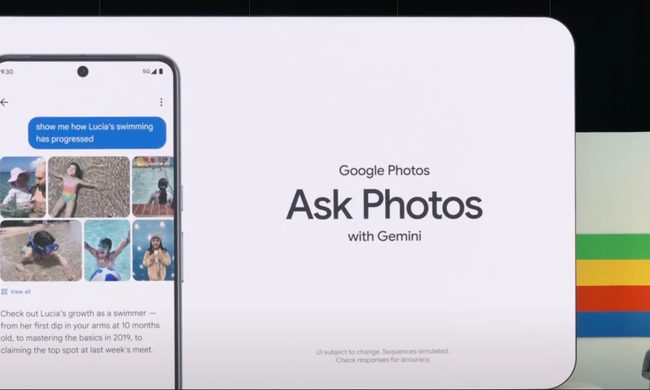
Google's Ask Photos debut.

Google Photos is giving users an easier way to leave its Gemini-powered search when a simple keyword would do. A new toggle now sits at the top of the results page, letting users switch between Ask Photos and classic search without digging through settings.

The change appears to address feedback from people who opted into Ask Photos but wanted a quicker way to return to classic search when Gemini was slower or less useful for a straightforward query.

Read more
Snapseed Camera now lets Android users save original photos and add geotags
Google updates Snapseed Camera with geotag support and non-destructive photo editing
Snapseed App

Google appears to be quietly turning Snapseed into something more than just a photo editing app. Over the past few weeks, the company has been steadily adding new capabilities to Snapseed Camera, its standalone camera app for Android. The latest update introduces two practical features that many smartphone users have come to expect from modern camera apps: the ability to save an untouched copy of every image for future editing and support for embedding location data directly into photos.

Neither feature is flashy, but together they make Snapseed Camera a more capable photography tool, particularly for users who like experimenting with filters without permanently altering their original shots. According to a report by 9to5Google, the features are rolling out with Snapseed Camera version 4.1.1.x on Android.

Read more