1. Home
  2. Photography
  3. Emerging Tech
  4. News

Three years in the making, time-lapse video beautifully documents Singapore’s growth

Add as a preferred source on Google

In January of 2013, Australian filmmaker Keith Loutit set out to document the changing cityscape of Singapore. As reported in Fstoppers, he spent four months scouting locations before the cameras started rolling. And it would be three years before the shutter closed on the final frame, with some locations photographed as many as 43 different times.

Over 500 days were recorded in all, which were then complied into a single video lasting fewer than five minutes. The finished short film, titled The Lion City II — Majulah has been viewed over half a million times on Vimeo so far.

Recommended Videos

Loutit, who is based in Singapore, was fascinated by the country’s unique challenge of managing growth in a constrained geographic space. His video tells two stories, one of people moving through the city, and a second of the city itself, moving as it grows upward around the people. Visually, it is so stunning as to be entrancing, an effect bolstered by the heavy thumping of an electronic soundtrack.

But the piece also seems to carry with it a message of caution, of warning. Motorists speed throughout the streets, oblivious to the construction around them that continues, indefinitely, day and night. When seeing three years of change in just five minutes, the incredible rate of growth is staggering. One begins to wonder how long such a pace can be maintained. In Singapore, change is constant. In an interview with Channel NewsAsia, Loutit says he could have continued shooting even longer, “but at some point, you have to draw the line in the sand.”

Loutit previously won viewers over with his first Singapore time lapse, The Lion City, which was shot with tilt-shift lenses. He become known for the technique, which has been used in several of his other videos. You can see more of his work on his Vimeo page.


Daven Mathies
Daven is a contributing writer to the photography section. He has been with Digital Trends since 2016 and has been writing…
RAMmageddon is coming for cameras, and your dream setup is in the crosshairs
Fujifilm's camera price hikes are just the latest sign of a DRAM crisis reshaping costs beyond smartphones and laptops.
Fujifilm's X100VI camera, released in 2024.

If you've been saving up for a new camera, I've got some bad news for you. Waiting until fall just got a lot more expensive. And this isn't some isolated issue troubling the camera industry. 

It's the same global chip crisis coming for basically everything with a processor and memory inside it.

Read more
Fujifilm Instax Mini 13 review: This instant camera won me over with its no-frills retro charm
From printing instant memories to rediscovering the fading charm of polaroids, Fujifilm's camera offers a budget route to a simple indulgence.
Fujifilm Instax mini 13 camera.

See at Amazon

Quick review

Read more
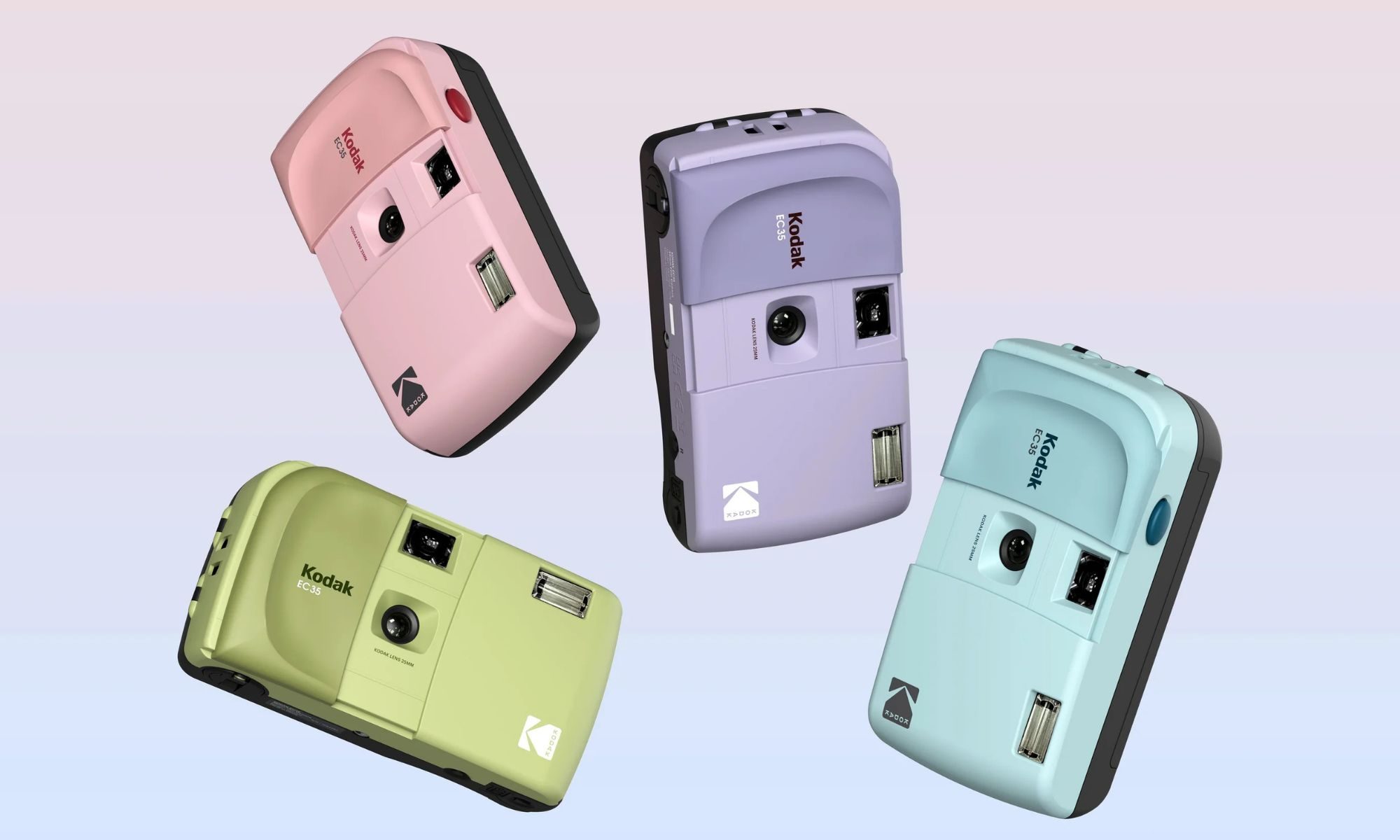
Want to try film photography? Kodak’s new $35 camera is a great place to start
This retro inspired Kodak EC35 camera keeps film photography refreshingly simple.
Kodak-EC35

If you've been curious about film photography but didn't want to spend a fortune, Kodak has a new camera worth checking out. The new Kodak EC35 is a reusable 35mm point-and-shoot camera that costs just $34.99, making it one of the most affordable ways to try shooting on film.

Developed by Reto Project under the Kodak brand, the EC35 keeps things simple with a lightweight design, automatic flash, and a pocket-friendly body. It also arrives as interest in analog photography continues to grow, offering beginners an inexpensive alternative to disposable film cameras.

Read more