1. Home
  2. Photography
  3. Cars
  4. Emerging Tech
  5. News

Researchers replace the second lens in 3D cameras with something cheaper

Add as a preferred source on Google

3D cameras are expensive in part because they need two of almost everything, but a new method developed by Toshiba replaces that expensive second lens with something much simpler: a set of colored filters.

Dual-lens camera systems create 3D footage by using information coming in from two different sources to create an experience similar to seeing with two eyes. The problem is that the two-lens design is expensive to produce, especially for applications where the image quality isn’t top priority, like backup cameras or giving a robot “sight.”

Recommended Videos

Earlier this month, however, Toshiba announced a method it developed to create 3D images using a color-depth map instead of a second lens. The system is set up much like a traditional camera, only both a blue and yellow filter are attached to the lens. The blue filter blurs and color codes everything in front of the subject while the yellow filter does the same to everything behind the subject.

With the image color-coded, the software can measure the distance between objects, creating a “map” of the surroundings. Toshiba claims that the dual-filter setup is just as accurate as a camera with two lenses 35cm apart.

The technology is designed to be used with such applications as self-driving cars, robots and park-assist cameras — professional videographers likely won’t be seeing any single-lens cameras any time soon. That’s because, while the method is cheaper to produce, the image quality isn’t up to par, with the filters intentionally blurring parts of the image in order to measure distance. The filters also mean that only green light gets through to the camera, so this type of single-lens 3D system would be horrible in low light.

Still, if the accuracy is as good as Toshiba says, this technology could help to cut some of the costs of backup cameras, self-flying drones, and robots — as long as you don’t mind your robot being a Cyclops.

Hillary K. Grigonis
Hillary never planned on becoming a photographer—and then she was handed a camera at her first writing job and she's been…
Fujifilm Instax Mini 13 review: This instant camera won me over with its no-frills retro charm
From printing instant memories to rediscovering the fading charm of polaroids, Fujifilm's camera offers a budget route to a simple indulgence.
Fujifilm Instax mini 13 camera.

See at Amazon

Quick review

Read more
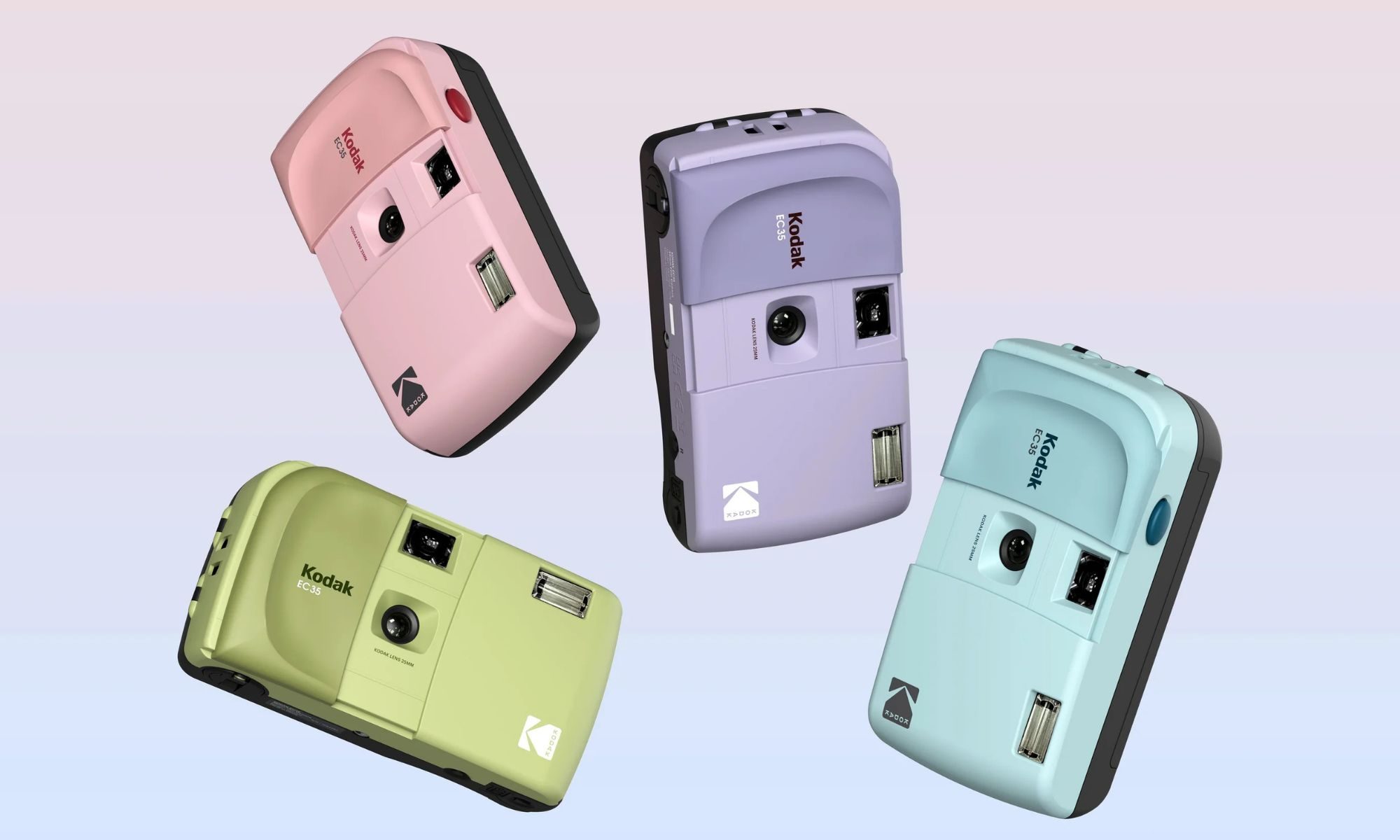
Want to try film photography? Kodak’s new $35 camera is a great place to start
This retro inspired Kodak EC35 camera keeps film photography refreshingly simple.
Kodak-EC35

If you've been curious about film photography but didn't want to spend a fortune, Kodak has a new camera worth checking out. The new Kodak EC35 is a reusable 35mm point-and-shoot camera that costs just $34.99, making it one of the most affordable ways to try shooting on film.

Developed by Reto Project under the Kodak brand, the EC35 keeps things simple with a lightweight design, automatic flash, and a pocket-friendly body. It also arrives as interest in analog photography continues to grow, offering beginners an inexpensive alternative to disposable film cameras.

Read more
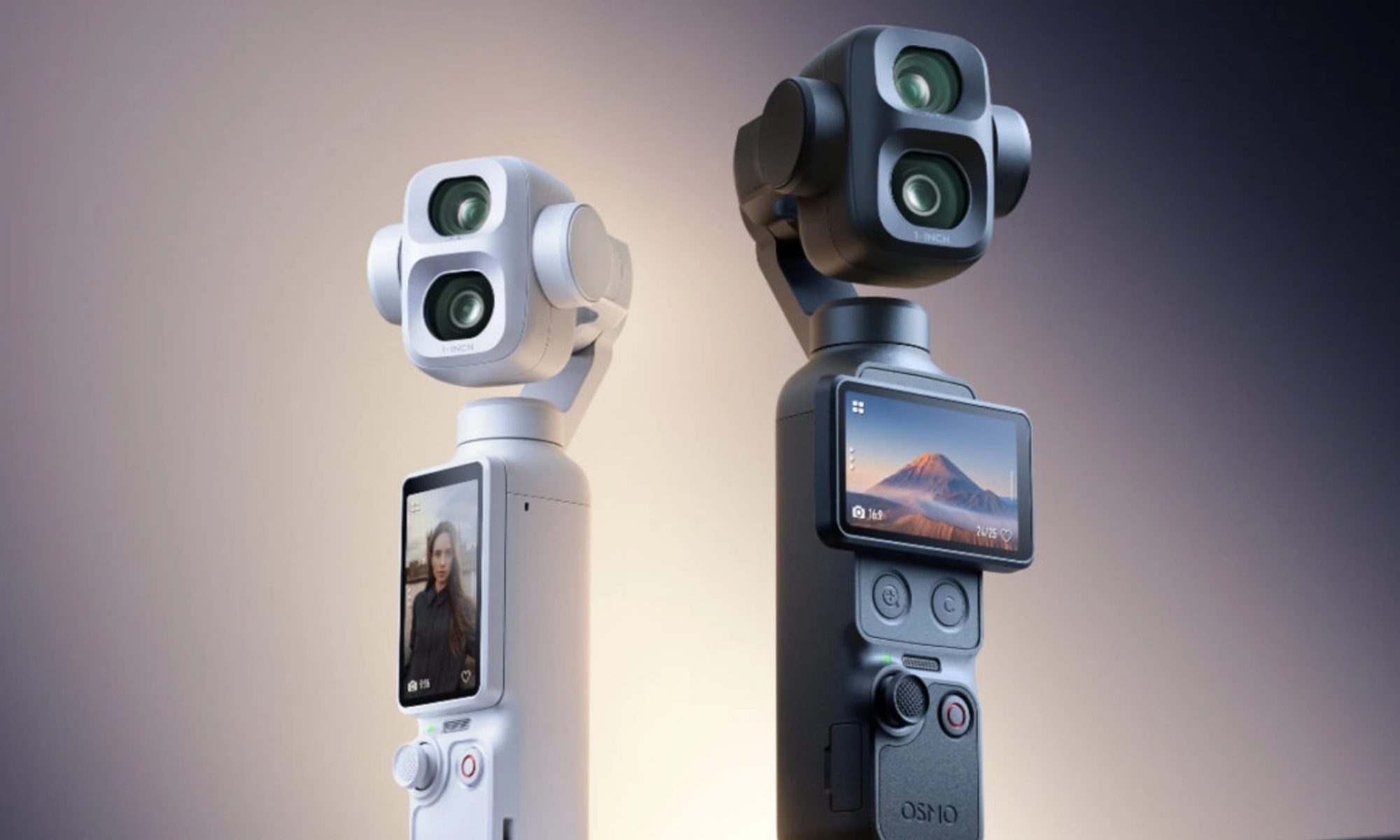
The FCC’s latest crackdown could put more than DJI drones at risk in the US
Robot, Person, Face

DJI may have found creative ways to keep some of its products flowing into the US, but those efforts are now drawing increased attention from regulators. According to The Verge, the US Federal Communications Commission (FCC) has started cracking down on several companies it believes could be helping DJI continue selling products in the country. These businesses have been described by industry observers as "DJI front companies" because they market or import products that appear to be closely tied to the Chinese drone maker while operating under different brand names.

DJI's alleged back door may be closing

Read more