  1. Home
  2. Cars
  3. Photo Galleries
  4. News

GMC’s Sierra gets a restyle for 2016, adds Apple CarPlay

Add as a preferred source on Google

Following its Chevrolet Silverado sibling, the 2016 GMC Sierra gets an update as General Motors tries to keep its trucks fresh in the face of ever-escalating competition.

As with the Chevy, the changes are mostly cosmetic. The 2016 Sierra gets a more stylized version of the existing model’s blocky exterior, with C-shaped LED daytime running lights and taillights, LED headlights and fog lamps, new bumpers, and a new grille that looks like it was forged in a very large waffle iron.

GMC is keeping quiet on other changes for now, but we know that Apple CarPlay will be added to the Sierra for 2016. The smartphone connectivity feature is expected to be available at launch, and the Sierra will also be the first GMC model to get Google’s Android Auto competitor.

Powertrain options will most likely remain unchanged, and will continue to mirror those of the Silverado. That means base-model Sierras will still use a 4.3-liter V6 with 285 horsepower and 305 pound-feet of torque. The mid-range option is a 5.3-liter V8 producing 385 hp and 383 lb-ft, while the biggest gun is a 6.2-liter V8, good for 420 hp and 460 lb-ft.

Currently, the V6 and the smaller V8 use a six-speed automatic transmission, while the 6.2-liter V8 gets an eight-speed auto. Chevy said it plans to expand use of the eight-speed automatic in the Silverado, so it’s possible GMC will do the same in the Sierra. Naturally, buyers will get to choose between rear-wheel drive and four-wheel drive.

In addition to model-specific styling, the Sierra will once again be distinguished from its Chevy twin by the availability of a more luxurious Denali model. The Denali gets extra exterior brightwork and a fancier interior, which will hopefully be enough to keep GM from building a Cadillac pickup truck.

The 2016 GMC Sierra goes on sale in the fourth quarter of 2015. More details on the updated model will be released closer to that date.

Stephen Edelstein
Stephen is a freelance automotive journalist covering all things cars. He likes anything with four wheels, from classic cars…
This sleek Chinese EV pairs supercar styling with three AI brains
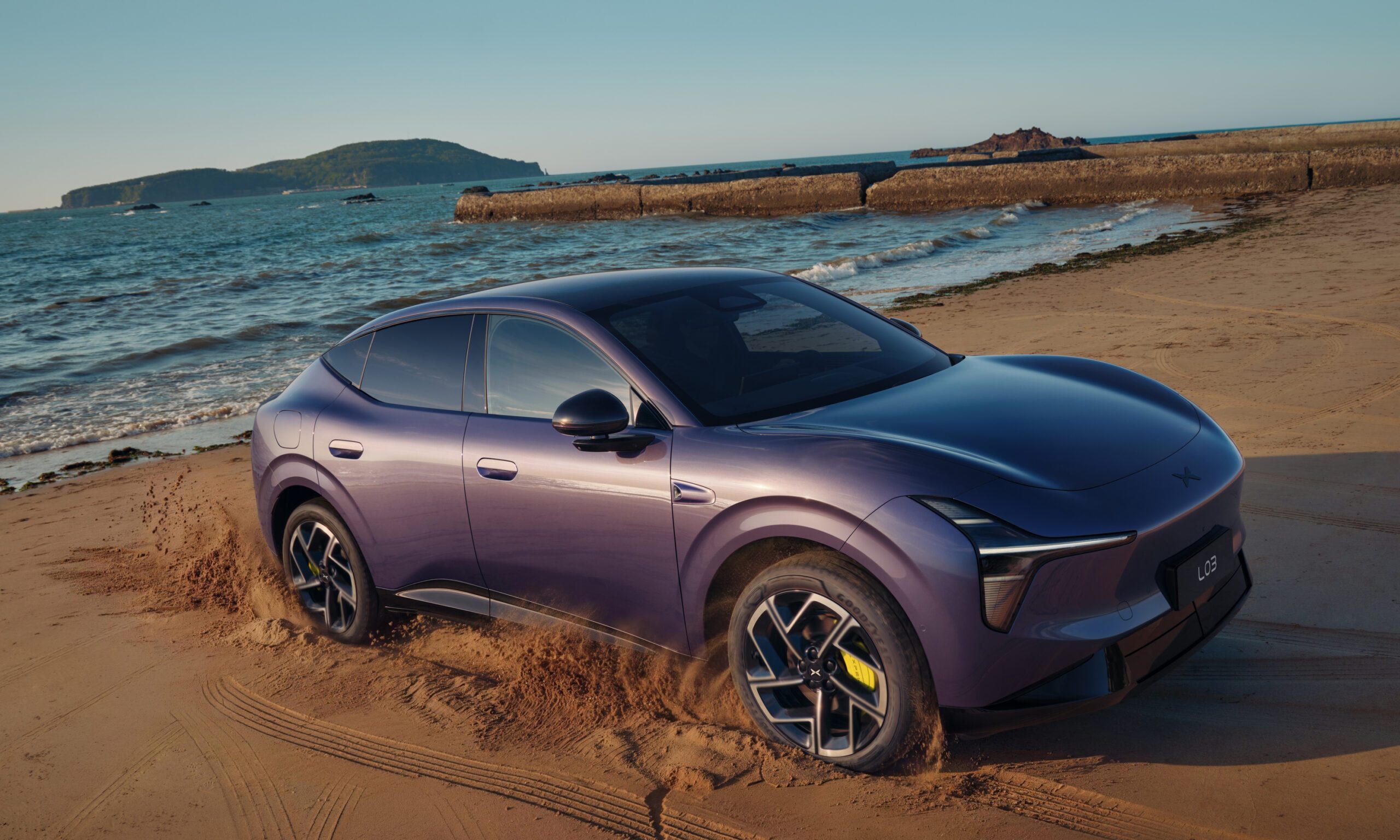
The Xpeng L03 is an AI supercomputer disguised as a stylish family SUV
Xpeng L03

Xpeng’s latest electric vehicle carries enough processing power to make the term "smart car" actually sound more realistic than it actually is. The new Xpeng L03 debuted simultaneously in Europe and China on July 16, with the company presenting it across 65 markets. Available as a fully electric vehicle and an L03 Power X range-extender, the coupe-SUV is Xpeng’s most internationally focused model so far. Market-specific prices and sales dates remain unannounced.

Three AI chips and Google Maps built right in

Read more
A new sodium battery posts wild four-minute charging numbers, but don’t expect it in an EV yet
The breakthrough could improve fast charging and battery life, but the study hasn’t demonstrated those results in a production-sized pack
EV Charger

A new sodium-metal battery has posted a charging number that makes today’s EVs look painfully slow. In laboratory testing, the cell operated at a 15C rate, equivalent to completing a charge or discharge in roughly four minutes.

That doesn’t mean researchers plugged in an electric car and watched it fill up before the driver finished buying coffee. The result came from a small experimental cell using a new quasi-solid electrolyte, while the larger pouch-cell prototype delivered far less dramatic performance.

Read more
The Apple Car may be dead, but it became the foundation of Apple Intelligence
A decade of work on a canceled car project reportedly laid the groundwork for Apple Intelligence.
Apple Intelligence in Apple Car

The Apple Car may have never left the garage, but it apparently gave birth to Apple's AI ambitions. According to Bloomberg's Mark Gurman, Apple's canceled autonomous vehicle project, one that consumed more than a decade of work and over $10 billion before being scrapped in 2024, ended up laying the technological foundation for Apple Intelligence. In a rather ironic twist, one of Apple's most expensive failures may also become one of its most important long-term investments.

The Apple Car forced Apple to think like an AI company

Read more