1. Home
  2. Cars
  3. News

FCA jumps on the CarPlay/Android Auto bandwagon with its 4th-gen Uconnect system

Add as a preferred source on Google

Fiat Chrysler Automobiles (FCA) announced the newest version of its Uconnect infotainment system at the 2016 Consumer Electronics Show (CES). Among the headlines for this fourth-generation system is the inclusion of Apple CarPlay and Android Auto.

FCA joins Detroit rivals General Motors and Ford, which also used CES to announce the inclusion of CarPlay and Android Auto. The systems add a layer of device-specific functionality and content to the infotainment systems developed by the carmakers themselves. They allow drivers to use a car’s built-in controls for smartphone functions like sending text messages, accessing music, and looking up directions.

Recommended Videos

The fourth-generation Uconnect system will feature a few other upgrades, including capacitive touchscreens, heightened touchscreen responsiveness and resolution, greater processing power, and faster startup. CarPlay and Android Auto will be offered with the 8.4-inch system and “select others,” according to Chrysler. The upgraded systems will roll out later this year.

FCA will also launch a new police-specific version of Uconnect on the 2016 Dodge Charger Pursuit. This system features a substantial 12.1-inch central touchscreen that Chrysler says is more than five times larger than previous versions. It will display radio and vehicle controls, and will include a menu option to toggle to a police computer display.

Looking forward, FCA’s CES display will include a “technology concept” meant to preview future in-car tech, alongside the production Uconnect systems. Some of those potential future gizmos include a “workload manager” that identifies when a driver needs to concentrate more, and prioritizes information accordingly, “privacy mode” that moves personal information to the driver’s display when a passenger is present, and and “intelligent concierge” that learns the driver’s various preferences.

Chrysler also hopes to make use of “vehicle-to-X” communication technology, which uses a Wi-Fi-like medium to allow cars to “talk” to each other and surrounding infrastructure. Potential uses for this tech could include “community tagging” that allows vehicles to warn each other of hazardous situations, a “follow-me mode” that lets drivers request to follow other vehicles, and an augmented-reality head-up display that helps assist the driver.

Stephen Edelstein
Stephen is a freelance automotive journalist covering all things cars. He likes anything with four wheels, from classic cars…
Two Indian automakers just beat Tesla at the one thing you’d expect it to own
Two Indian automakers, Tata Motors and Mahindra, just topped a global EV efficiency ranking ahead of Tesla and BYD.
Car, Suv, Transportation

I'll admit, Tesla topping an efficiency ranking felt like a foregone conclusion until I actually saw the numbers. Turns out two Indian automakers just embarrassed both Tesla and the world's biggest EV maker at their own game. 

The first time I read the report, I couldn’t believe it, and I’ve been following the Indian automobile industry for a couple of years now.  

Read more
BYD’s new Racco is Japan’s first electric kei car with over 300 km range
The Racco also undercuts Nissan's Sakura on price before taxes and incentives, which packing in features rarely seen in the kei car segment.
BYD Racco

BYD has entered the Japanese kei car market with the Racco, an electric car built specifically for the country's compact car segment. Its top trim delivers 320 km of range, making it the first compact electric car in the market to pass 300 km, according to ITHome.

Kei cars are a Japanese vehicle class with strict size and power limits, and the segment has long been dominated by domestic automakers such as Honda, Nissan, Suzuki, and Daihatsu. The Racco is BYD's first attempt to compete in that space.

Read more
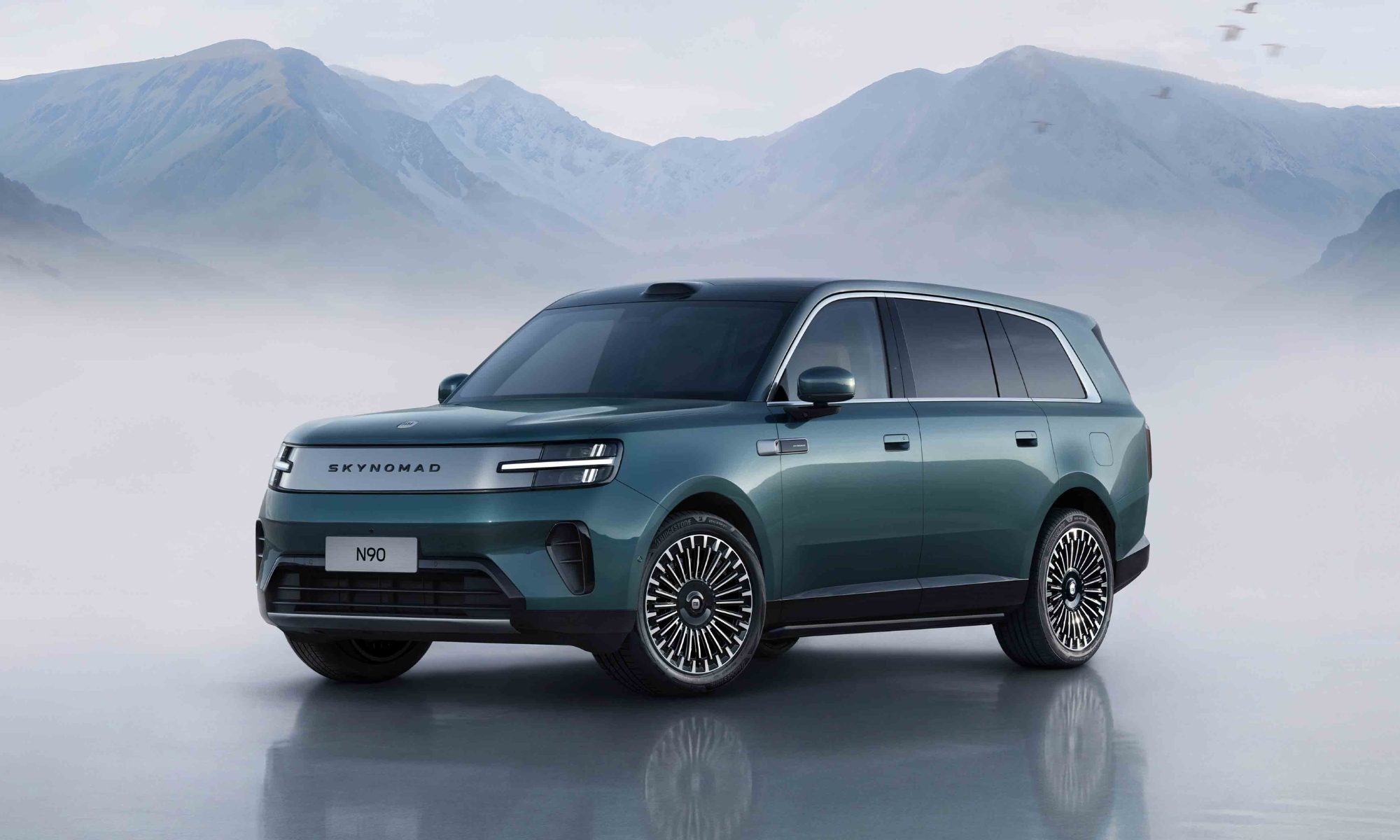
Xiaomi’s sleek seven-seater SkyNomad EREV gets a specs reveal. It’s a template US carmakers must desperately follow
Xiaomi made a sedan first. Now it's coming for your family SUV too.
Skynomad

When Xiaomi entered the automotive industry, it did so with the all-electric SU7 sedan, then expanded into SUVs with the YU7. Its next move is taking the company into one of China's fastest-growing vehicle segments: extended-range electric SUVs (EREVs). Ahead of a technical presentation on July 30, Xiaomi has shared fresh details about its upcoming SkyNomad lineup via its Weibo channel, first spotted by CarNewsChina, revealing the new Kunlun range extender, fuel economy figures and testing progress.

At first glance, the SkyNomad N90's upright silhouette, squared-off proportions and premium detailing inevitably draw comparisons with the Range Rover. But mechanically, Xiaomi appears to be targeting a very different group of rivals. The company is entering a market currently dominated by Chinese brands such as Li Auto and Huawei-backed Aito, both of which have built successful businesses around extended-range SUVs that combine electric driving with the convenience of a gasoline-powered range extender.

Read more