1. Home
  2. Cars
  3. News

Nissan uses 5G to test tech that lets motorists summon in-car 3D avatars

Add as a preferred source on Google
Nissan Invisible-to-Visible technology concept
Image used with permission by copyright holder

Nissan wants to turn car windshields into portals to a virtual world. At CES 2019, the Japanese automaker demonstrated what it calls “invisible-to-visible” (I2V) tech, and it leveraged the benefits of 5G to begin testing it in real-world conditions on its proving grounds in Japan. While the name makes it sound like witchcraft, I2V is just a way to overlay information from a car’s onboard sensors, as well as the cloud, onto the driver’s field of view. Think of it as augmented reality (AR) on a larger scale, or a head-up display on steroids.

I2V relies on a system called Omni-Sensing to act as a hub for the relevant data, which is organized and displayed as graphics floating around relevant objects — just like in a video game. In fact, the entire platform was developed by Unity Technologies, which started out in the gaming business. Drivers can also connect to what Nissan calls the “Metaverse,” a virtual environment shared with other users. It allows people to appear inside the car as virtual, three-dimensional avatars.

Recommended Videos

This tech has many possible uses, according to the company. If it’s raining outside, I2V could project an image of sunny weather inside the car. Drivers could call on local guides to get information about the areas they’re driving through, or driving coaches to help improve their skills. Cars could also use the tech to warn drivers of upcoming hazards, like poor visibility or irregular road surfaces, or suggest alternate routes to get around traffic jams.

Why did Nissan develop Invisible-to-Visible? Tetsuro Ueda, Nissan Expert Leader explains

Nissan began testing the technology in Japan in March 2019, and it explained its real-world trials are made possible by super-quick 5G technology. The low-latency connectivity wirelessly transmits avatar data into the test vehicle, which is based on a van the company sells in overseas markets, and in-car camera views from the vehicle in real time. The point of the trial is to evaluate how the people traveling in the car and those represented through avatars sense each other’s presence via the user interfaces.

This technology is years away from reaching mass production. Even if it can be packaged in a way that works in the real world, I2V seems plain distracting. Drivers have enough trouble paying attention without their crazy uncles beaming themselves into the car to talk about football. This tech seems better suited to future self-driving cars, however, which Nissan and other automakers are working to usher in.

Updated on March 12, 2019: Added information about Nissan testing the technology using 5G.

Stephen Edelstein
Stephen is a freelance automotive journalist covering all things cars. He likes anything with four wheels, from classic cars…
Waymo’s driverless cars keep getting parking tickets in Austin, and humans aren’t the only ones complaining
Waymo vehicles have collected $9,325 in Austin fines as repeated parking mistakes turn into a fleet-wide operational problem
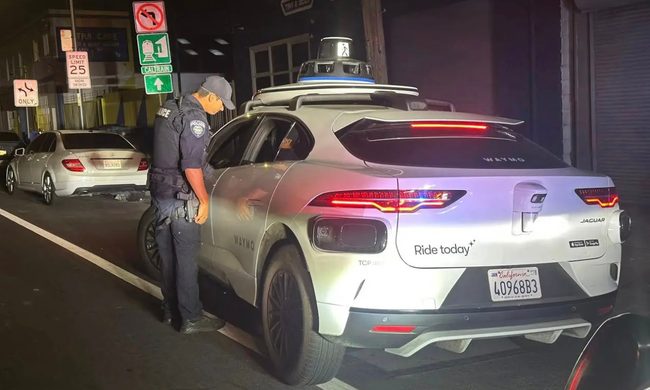
A police officer investigating an empty Waymo car.

Waymo’s 83 parking citations in Austin don’t amount to a financial crisis. They do reveal what happens when the same driving decisions are repeated across an autonomous fleet.

City records obtained by The Wall Street Journal show that Waymo vehicles have accumulated $9,325 in fines since arriving in 2024. The company has paid most of them, but the more revealing detail is how often its cars have made the same mistake.

Read more
Google Maps’ biggest Android Auto upgrade is reaching more users
Google Maps is finally giving Android Auto users directions with a little more drama.
Electronics, GPS, Car

Google is widening the rollout of two long-awaited Google Maps features for Android Auto users: Immersive Navigation and a built-in live speedometer. After months of limited availability, reports suggest both features are now reaching a broader group of users, including people running stable versions of Google Maps instead of beta builds.

The update is part of Google's ongoing effort to modernize the Android Auto navigation experience. While the company unveiled Immersive Navigation earlier this year as one of the platform's biggest upgrades in years, the feature has been trickling out slowly, leaving many users without access. That appears to be changing, with more devices now receiving the update through a server-side rollout.

Read more
Tesla’s hidden door problem might end up fixing every car in America
This could permanently change how emergency exits are designed in American passenger vehicles.
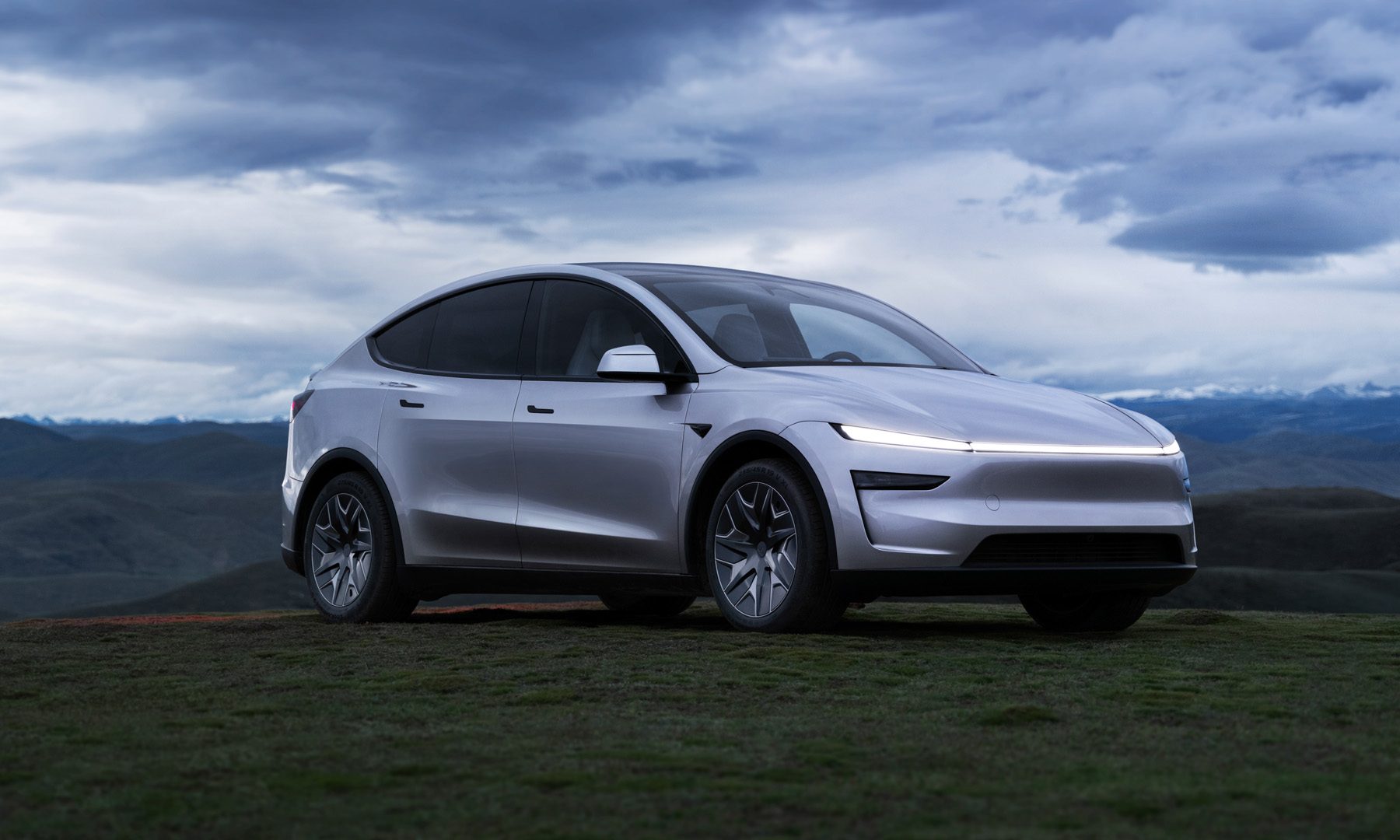
Tesla Model Y Long Wheelbase Featured

Tesla's electronic door handles have been a safety talking point for years, mostly on Reddit threads and EV forums where people debate whether sleek design is worth the tradeoff when a car is on fire and power is out. 

Now the US government has formally weighed in (via The Washington Post). The outcome, I’d say, is bigger than most people think.

Read more