  1. Home
  2. Phones
  3. Cars
  4. Mobile
  5. News

Uber will no longer store exact pickup and drop-off locations in drivers’ apps

Add as a preferred source on Google
Image used with permission by copyright holder

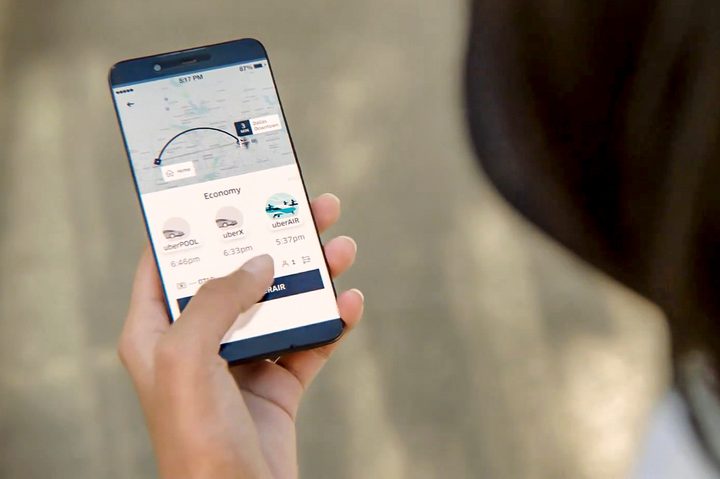
Not so long ago, Uber rolled out new passenger safety features in the hope of assuaging concerns over potential risks associated with taking a ride from the transportation giant. And now it’s stepping up its game even further. In a soon-to-be-launched pilot program, the San Francisco-based giant will begin hiding passengers’ exact pickup and drop-off locations in the trip history available to drivers. Rather than pinpointing where you are and where you’re going, the Uber app will instead show drivers a more general location. The goal, of course, is to improve rider privacy and safety, and limit the degree to which location data is exposed.

As it stands, Uber shows its drivers exactly where they dropped off and picked up their riders in the ride history section of the app. These addresses are stored in the driver’s trip history, which means that theoretically, he or she can scroll through the app at any time to check out where passengers might live or which locations they frequent. In fact, this information remains in the app even if the passenger deletes the associated account. Naturally, this presented some cause for concern, but Uber is now taking steps to address the issue.

Recommended Videos

“Location data is our most sensitive information, and we are doing everything we can do to protect privacy around it,” an Uber spokesperson said. “The new design provides enough information for drivers to identify past trips for customer support issues or earning disputes without granting them ongoing access to rider addresses.”

The pilot program will also aid Uber’s efforts to comply with the European Union’s new General Data Protection Regulation, which requires companies to both delete user data and give users access to their own data. When this new feature goes public, it will effectively do both.

It’s unclear exactly when the rollout of the feature will be complete, but rest assured it is coming soon.

“Obviously with this being a new feature focused on privacy, we want to make sure it successfully meets that goal before pushing it out broadly,” an Uber spokesperson said. “However, regardless of design/UX tweaks needed, we fully intend on making this a default setting in the coming months.”

Lulu Chang
Fascinated by the effects of technology on human interaction, Lulu believes that if her parents can use your new app…
Google just made switching from iPhone to Android much easier with Android 17
Android 17 can now transfer your passwords, passkeys, eSIM, and even your home screen.
Android-17-switch-ios-to-android

Moving from an iPhone to an Android phone has never been an easy process, but Google is trying to change that. With Android 17, the company has introduced a rebuilt Android Switch that can move far more of your data than any past version ever could.

Google worked with Apple to create the new transfer system from the ground up, allowing far more information to move wirelessly than before. The upgraded experience is already rolling out to eligible Pixel devices and is also available on Samsung's new Galaxy Z Fold 8 and Galaxy Z Flip 8 through Smart Switch.

Read more
WhatsApp’s new in-car experience is built around hands-free control
CarPlay and Android Auto users can now hear and reply to messages, view call history, and reach favorite contacts without touching their phone.
WhatsApp new CarPlay experience featured

Meta is overhauling how WhatsApp works in the car, giving CarPlay and Android Auto users a lot more to do than just sending texts and making calls. The company announced the change in a newsroom post today, alongside several other updates rolling out to the messaging app.

WhatsApp finally works hands-free in the car

Read more
I tried the Samsung Galaxy Z Fold 8 and I am totally in love with this unique foldable
Samsung's Galaxy Z Fold 8 trades bulk for a genuinely pocketable design, and after holding one next to an iPhone 17 Pro, I'm convinced it's the foldable to beat this year.
Symbol, Electronics, Mobile Phone

Samsung is trying to jazz things up once again in the foldable space, and the mantra this time around is going smaller and lighter. The result of those efforts is the Galaxy Z Fold 8, and it’s the first time in years that I vocally said “wow” the moment I picked it up. It’s pocketable, light, sleek, and most importantly, oozes functional charm. 

Just take a look at how petite it is when held alongside a modern-age iPhone. In an age when smartphones are getting thicker and bulkier, the Galaxy Z Fold 8 wants to stand out in a rather unique fashion. Even in the unfolded state, it’s less than a millimeter thicker than an iPhone 17 Pro (9.7 vs 8.75 mm). If you compare the weight, the comparison flips in its favor. The Galaxy Z Fold 8 is lighter than even the smaller iPhone 17 Pro (201 grams vs 204 grams).

Read more