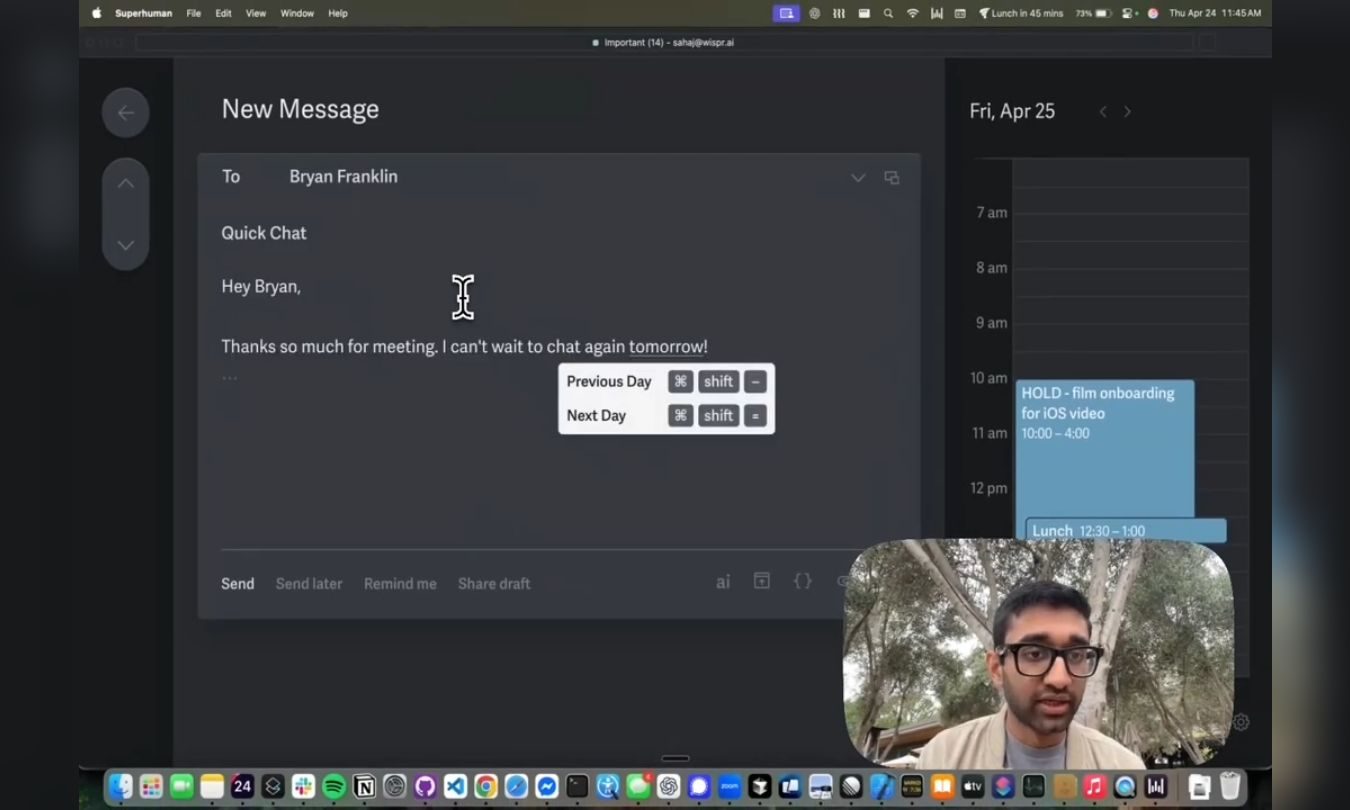
Several days after releasing the tenth beta of the MacOS Catalina, today, Apple has officially released the long-awaited successor to MacOS Mojave.
The MacOS Catalina offers a slew of new and convenient features to Macs, including stand-alone applications for Music, TV, and Podcasts, due to Apple’s decision to retire the usage of the iTunes application. These new apps are only the tip of the iceberg.
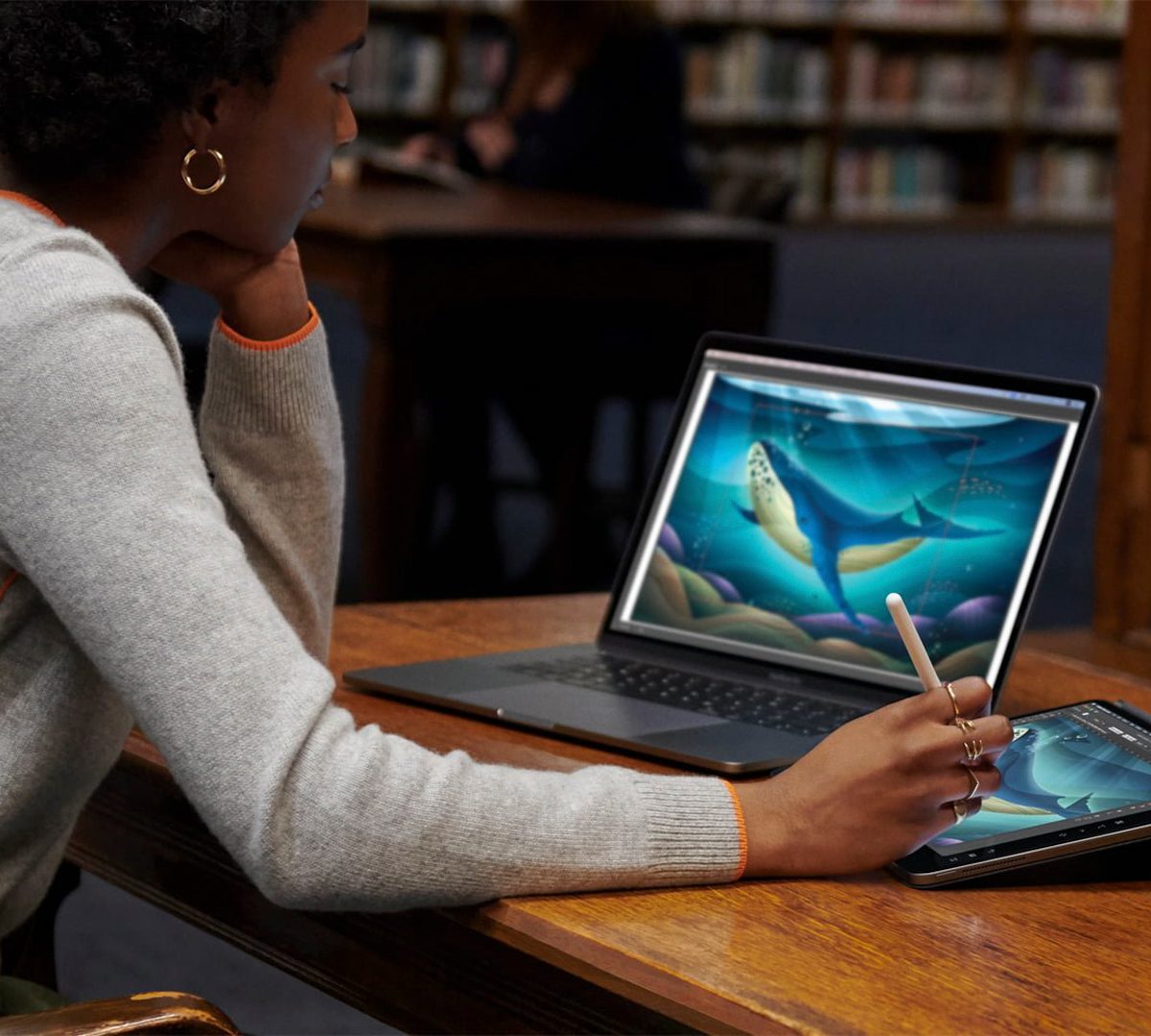
One of the most exciting features is called Sidecar, which lets you use your iPad in tandem with your Mac. It can now be used as a second display, as well as a drawing tablet for artists and designers. It can be connected either wirelessly or wired, so as long as both your Mac and iPad are up to date.
Apple also confirmed that a new Accessibility-focused featured called Voice Control, which enhances you to utilize verbal controls as you navigate your Apple computers. Screen Time, a feature introduced in iOS, also makes its debut. Allowing you to be more aware of the time you are spending on your MacBook or iMac, while the recently released game subscription service, Apple Arcade is also confirmed to be included in Catalina as well.
Furthermore, Apple’s UIKit framework will now be introduced to Macs under the name Project Catalyst (formerly known as Marzipan). It’s a way of bringing iOS and iPad apps over to the Mac App Store, allowing for a quick way for developers to move apps to the Mac. Apple has demonstrated the ability with its own new apps, but companies like Twitter have already jumped onboard to make use of the program.
Lastly, some additional features introduce in Catalina also worth noting include the new Find My app and Safari web browser. The new Find My app has have been reinvented and now allows you to track your missing Apple devices, even if the product is not connected to Wi-Fi. While the new changes to Safari include an updated start page, which includes iCloud tabs as well as direct links to your favorite websites, additionally, Safari’s new update helps improve the security of your accounts by warning you if your password is too weak.
As per usual, MacOS Catalina will be free of charge and can be downloaded through the Mac App Store. However, much like MacOS Mojave, the latest operating system is designed to work on only select Apple computers. Here are the following Macs that are eligible to run the new software:
- 12-inch MacBook
- MacBook Air (2012 and later)
- MacBook Pro (2012 or later)
- Mac mini (2012 or later)
- iMac (2012 or later)
- iMac Pro
- Mac Pro (2013 or later)