1. Home
  2. Computing
  3. Smart Home
  4. Web
  5. News

New ‘BrickerBot’ malware attack kills unsecured Internet of Things devices

Add as a preferred source on Google

The Internet of Things (IoT) is at the heart of many modern technology devices, not the least of which are the increasingly popular smart home components that unlock our doors and control our heating and lighting. The security of IoT devices is, therefore, paramount if these increasingly ubiquitous devices are going to bring more benefit than cost.

Unfortunately, IoT has been the source of significant malware attacks in recent months, including the distributed denial of service (DDoS) attack that took down a large swatch of the internet in October 2016. Now, a new piece of malware, dubbed BrickerBot, is in the wild and targeting IoT device running the open-source Linux operating system, as Readwrite reports.

Recommended Videos

According to security firm Radware, whose honeypot was used to discover the malware, BrickerBot works in similar fashion to Mirai in that both programs attempt to leverage the tendency for users to neglect to change the factory default username and password combo that ships on IoT devices. The primary difference between the two is that while Mirai aims to take over and add them to botnets with the express purpose of conducting DDoS attacks, BrickerBot — as its name implies — simply wants to kill the devices instead. This kind of attack is called Permanent Denial of Service (PDoS), and it’s apparently becoming increasingly popular.

Because they both rely on remote access into unsecured devices, both BrickerBot and Mirai can most easily be combatted by simply changing the default username and password and by turning off Telnet remote access wherever possible. Radware notes a few other highly technical responses to BrickerBot that technology staff can use but that are likely beyond the means of the typical smart home customer.

While Mirai is of greater concern on a widespread basis given its ability impact the entire internet, BrickerBot can cause some serious inconvenience to casual users by leaving their devices dead and unusable. Of even greater concern, however, is the potential impact on commercial concerns, where losing hundreds of IoT devices that are used for critical infrastructure could be crippling. For those organizations, taking Radware’s more technical advice into consideration would be highly recommended.

Mark Coppock
Former Computing Writer
Mark Coppock is a Freelance Writer at Digital Trends covering primarily laptop and other computing technologies. He has…
AI browsers like Perplexity Comet can be tricked into spilling your password through BioShocking exploit
Six AI browsers were found leaking saved passwords and many of them haven't fixed it yet.
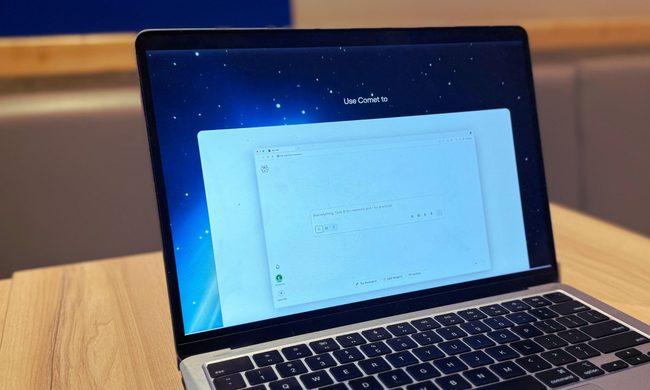
MacBook Air in hand, Comet browser loaded—let’s see what Perplexity’s AI can really do

Security researchers just found a strange way to trick AI browsers into handing over your passwords. They managed to trick AI browser agents into exposing sensitive data like saved passwords, session cookies, and private tokens by disguising the theft as part of a harmless "game."

The technique is called BioShocking, named after the popular video game BioShock, where a brainwashed character is manipulated into believing a false reality. Once an AI browser falls for the same trick, it stops following its own safety rules entirely.

Read more
Google Play’s latest speed boost goes way beyond the phone
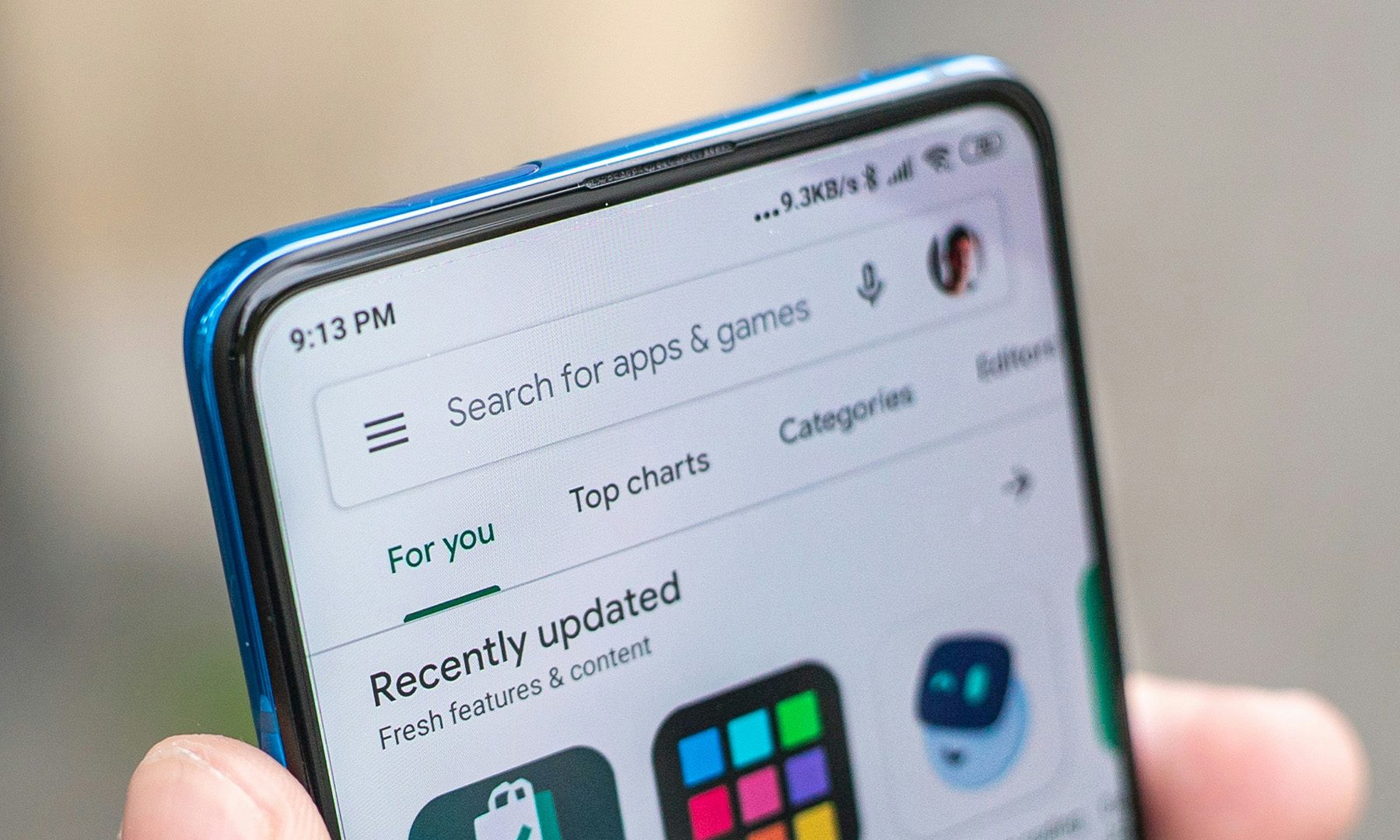
Play Store v52.1 targets app install performance across Android devices, including cars, TVs, watches, tablets, and phones.
Google Play Store Photo

Google is rolling out Play Store v52.1 with changes built around a practical Android problem, getting apps installed more smoothly on very different kinds of hardware.

The update focuses on Play Store infrastructure, with Google pointing to stability, performance, and better memory use while a device adds an app. That install path now has to work on phones, tablets, Wear OS watches, Google TV, Android TV, Android Auto, and cars running Android Automotive.

Read more
Peacock Premium Plus joins YouTube as the streaming bundle battle gets messier
The $16.99 subscription brings Peacock’s sports-heavy catalog into YouTube, with account details still unclear.
Adult, Female, Person

Peacock Premium Plus is now available through YouTube Primetime Channels, giving viewers a new way to add a major streaming service inside YouTube.

The $16.99-per-month subscription brings Peacock’s live sports, NBC and Bravo shows, originals, Universal movies, Telemundo programming, and Spanish-language FIFA World Cup 2026 coverage into YouTube’s channel marketplace.

Read more