  1. Home
  2. Computing
  3. News

Google Chrome extensions are failing, and $8,000 is on the table for a fix

Add as a preferred source on Google

There seems to be some mysterious problem affecting certain Chrome extensions, but it’s intermittent enough that it hasn’t yet been solved. The problem is annoying enough that one developer has posted two $4,000 bug bounties and created an Upwork job listing that pays up to $150 per hour. These incentives might inspire others to help track down and fix the bug.

First spotted by TechRadar and described in detail in a blog post written by Jói Sigurdsson, founder and CEO of the CrankWheel screen-sharing extension for the Google Chrome browser, the bug is related to a failure to trigger an action when the extension’s icon is clicked on the toolbar. Since this is frequently how an extension is used, it’s a crippling error. Unfortunately, the problem is difficult to recreate and is estimated to impact only 3% to 5% of those that have affected extensions installed.
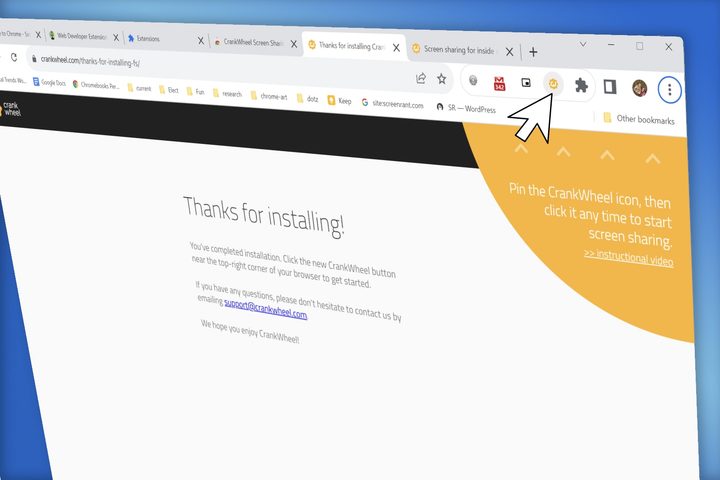
A mouse pointer hovering over the CrankWheel Chrome Eextension.
Image used with permission by copyright holder

Sigurdsson posted the bug to the Chromium Bug Tracker in April 2022 and got a confirmation from another person in June 2022 that the problem was affecting other extensions, some quite popular. Two password managers, LastPass and Norton, apparently suffer from the bug, as well as Google’s own Picture in Picture extension and the Screencastify screen recorder. This places the number of people potentially experiencing the problem into the millions.

Recommended Videos

Tracking down elusive and intermittent bugs can be quite difficult, so for anyone with sufficient programming skills and experience in developing Chrome extensions, there’s a nice challenge waiting. The first $4,000 bug bounty is for being able to consistently (90% or more) reproduce the issue. The second $4,000 bounty will be paid for a confirmed fix that is accepted by the Chromium team. This is in addition to the hourly fee being offered in Upwork.

Alan Truly
Alan Truly is a Writer at Digital Trends, covering computers, laptops, hardware, software, and accessories that stand out as…
What’s next for humanoid robots? Groping and sexual assault, apparently
German police investigate robot over alleged sexual harassment of teenage girl
Humanoid Robot

German authorities have launched an investigation after a robot allegedly touched a 16-year-old girl inappropriately and made sexual gestures on a street in Cologne. Police have seized the robot and the mobile phones of two young men suspected of controlling it, as investigators try to establish whether its movements were programmed in advance or directed in real time.

The incident raises unusual questions about accountability when robots are used to harass people in public. The suspected owner, aged 16, and his 19-year-old companion have not been charged, but police are investigating possible sexual harassment. Authorities say they are unfamiliar with a case of this kind, making it an unusual challenge for law enforcement.

Read more
US banks want to block AI agents from moving your money. Well, at least that’s one good move.
Letting a chatbot handle your finances sounds convenient until someone asks who pays for its mistakes.
ai-agents-on-phone

AI agents want to handle more of your life, including your money, but US banks are drawing a line when these AI assistants try to move funds on your behalf. Charles Schwab and JPMorgan Chase are now restricting outside AI agents from taking financial actions, citing security risks and unanswered questions about who takes responsibility when things go wrong.

Charles Schwab CEO Rick Wurster told Bloomberg that Schwab is actively blocking unauthorized AI agents, including Meta's Muse, from moving client money. JPMorgan Chase CEO Jamie Dimon made a similar call this week, so this isn't just one bank being cautious.

Read more
MapQuest can now show you the cameras keeping an eye on your commute
MapQuest is back, and now it’s exposing who’s watching your neighbourhood
Surveillance cameras

MapQuest has introduced a new surveillance layer that lets users see the reported locations of outdoor surveillance cameras and automated licence plate readers, including those operated by Flock Safety. The feature gives drivers and residents a clearer picture of the surveillance infrastructure around their neighbourhoods, at a time when law enforcement's use of these cameras is under growing scrutiny.

The new layer can be enabled through MapQuest’s Map Options menu, alongside existing options for traffic and incidents. It covers cameras from multiple manufacturers, including Motorola Solutions, Genetec, Axis Communications, Axon, Leonardo, Neology, Rekor, PlateSmart, Ubicquia and Verkada. The company has promoted the feature with the tagline “The Roads Have Eyes!”

Read more