  1. Home
  2. Computing
  3. Gaming
  4. Legacy Archives

Microsoft releases Kinect development tools for PC

Add as a preferred source on Google
kinect-sdk
Image used with permission by copyright holder

After months of being teased, hinted at, outright confirmed and eventually detailed, Microsoft has finally released PC development tools for its Kinect Xbox 360 peripheral. A sizable community of homebrew programmers has risen up since it was released last November, which has led to some truly incredible hacks (and associated YouTube videos). The overwhelming show of community support is likely what prompted Microsoft to escalate its plans for a non-commercial Kinect SDK release, as company boss Steve Ballmer made it sound earlier this year as if homebrew support would happen a bit further down the road.

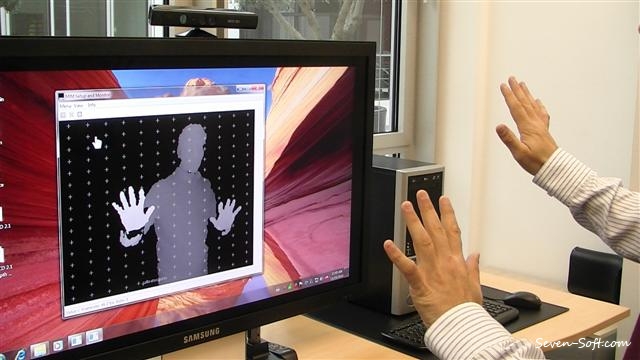
The Kinect for Windows SDK is a free download for non-commercial software development, though to use it you’ll need to be running on Windows 7. Applications can be built using either the C++, C# or Visual Basic programming languages. As was reported earlier this year, SDK users will have access to the full range of Kinect features, from skeletal tracking for up to two individuals to directional mic controls and speech recognition.

Recommended Videos

To support the launch, Microsoft invited “a select group of developers” to the company’s Redmond, Wash. campus as part of a 24-hour coding marathon, called Code Camp. The developers all got to work with the new tools, building and testing out a range of possible uses for independently created Kinect applications. All told, Microsoft’s support for the indie development community has been nothing short of heroic, with everything from this SDK release to the Xbox Live Indie Games channel signalling the company’s willingness to embrace the possibilities offered by taking an open approach to content creation.


Adam Rosenberg
Former Gaming/Movies Editor
Previously, Adam worked in the games press as a freelance writer and critic for a range of outlets, including Digital Trends…
Apple’s 2026 Back to School promo saves you up to $150 on a new Mac or iPad
The exact amount depends on which device you buy, but the offer doesn't apply to all Mac and iPad models.
Apple Back to School 2026 featured

Apple has kicked off its 2026 Back to School promotion, and this year's offer swaps out the free accessory bundle from last year with gift cards. Eligible buyers who purchase a MacBook Pro get a $150 gift card, while a MacBook Air, iPad Pro, or iPad Air earns a $100 gift card. The promotion runs through August 27 in the US, with international versions rolling out on different timelines and, in some regions, different rewards entirely.

Not every device is eligible

Read more
OpenAI made a tiny $230 keyboard that lets you turn up an AI’s brainpower
The Codex Micro puts reasoning settings, agent status lights, and programmable AI shortcuts directly on your desk
Electronics, Phone, Mobile Phone

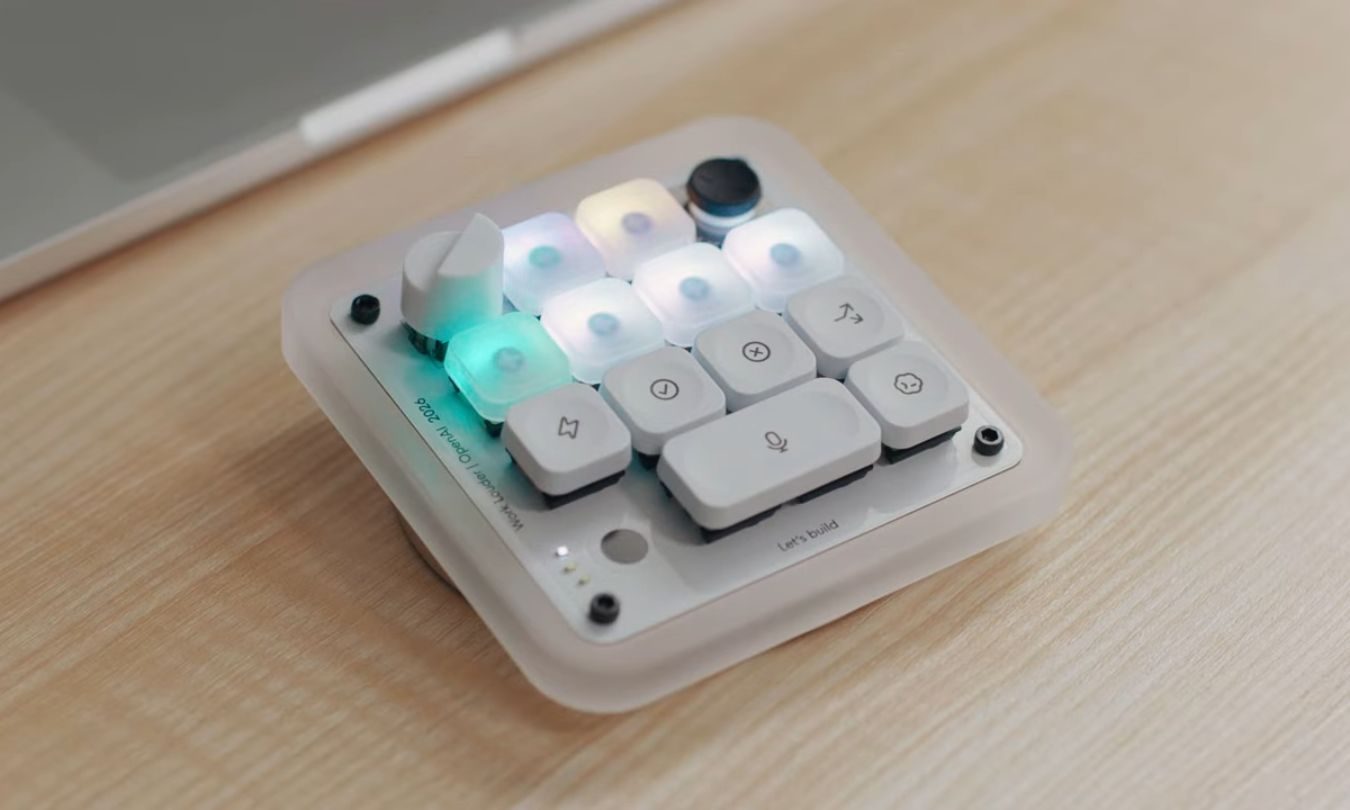
OpenAI has made a $230 mini keyboard that lets Codex users adjust how hard its AI thinks with a physical dial. The Codex Micro also provides dedicated buttons for launching workflows and checking on active agents without bouncing between chats.

Developed with keyboard maker Work Louder, the compact Mac and Windows accessory connects over Bluetooth or USB-C. OpenAI’s store currently lists it as out of stock, although the company says more units are coming.

Read more
Google rejects alarming report that says its Search AI tools are unsafe for kids
The company says it couldn’t reproduce many of the responses cited and argues that the testing doesn’t reliably measure product safety
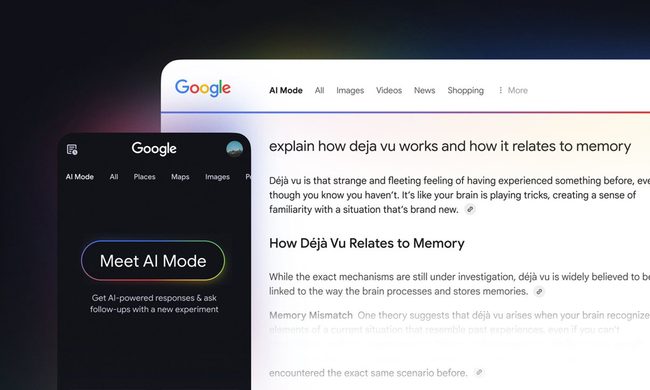
Google AI Mode on mobile and desktop

Google has rejected a new report that labels its AI-powered Search features an “unacceptable risk” for children and teenagers.

Common Sense Media’s Youth AI Safety Institute gave AI Overviews and AI Mode its lowest overall rating. The two tools performed poorly against seven of the institute’s eight AI safety principles and failed every category involving potentially severe harm. Google says those findings came from searches that don’t resemble how people normally use its products.

Read more