1. Home
  2. Computing
  3. Web
  4. News

A rising tide raises all ships: Verizon drops slowest 25Mbps FiOS option

Add as a preferred source on Google

What’s the point of having a fiber optic connection if it doesn’t boast blazing-fast speeds? There isn’t one, which is way Verizon is phasing out its lowest-tier 25Mbps service, according to Ars Technica.

The announcement comes from a recent earnings call, where CFO Fran Shammo shared that “at the end of the quarter, more than 70 percent of our consumer FiOS Internet customers subscribed to data speeds of 50Mbps or higher and we have shifted our introductory offer to 50 megabits.” In that way, the decision is simply common sense — gotta give the people what they want.

Recommended Videos

Despite its dipping popularity, the 25Mbps option will remain available to those still on that plan. It’s also still available as a downgrade for existing 50Mbps or higher users. Why you’d short change yourself on a fiber optic plan is a bit beyond me, but even at 25Mbps, speeds are well above the U.S. average.

Speeds are on the rise, with the global average download speed reaching 5Mbps late last year, and the U.S. average rising to 12.6Mbps. Akamai, one of the largest CDNs in the world, defines broadband as 25Mbps or faster, and near the end of last year only 5.2 percent of connecting IP addresses boasted speeds that fast.

Verizon has been as vocal as any ISP about users needs, and plans for broadband at large. The speeds needed for the effective Internet use are up for debate, and Verizon is surely looking to take advantage of growing disdain for Comcast’s service and customer support. According to an end-of-year report from the FCC, the governing body received 11,812 complaints about Comcast, and only 1,588 about Verizon.

Whether the quarter of FiOS customers who remain on the 25Mbps plan or upgrade remains to be seen, but the value is there, and the option won’t be around for long.

Brad Bourque
Brad Bourque is a native Portlander, devout nerd, and craft beer enthusiast. He studied creative writing at Willamette…
TSMC might set up a price hike that could come straight for your next phone, laptop, or tablet
Here's what TSMC's rumored 10% chip price increase actually means in dollar terms, and why your next phone or laptop could end up costing more.
TSMC Fab

My wallet flinched the second I saw the words "TSMC" and "price increase" in the same headline, and honestly, yours should too.

Turns out the company behind the silicon powering basically every flagship device out there, including Apple’s A-series and Qualcomm’s Snapdragon processors, is reportedly about to make all of it a little pricier.

Read more
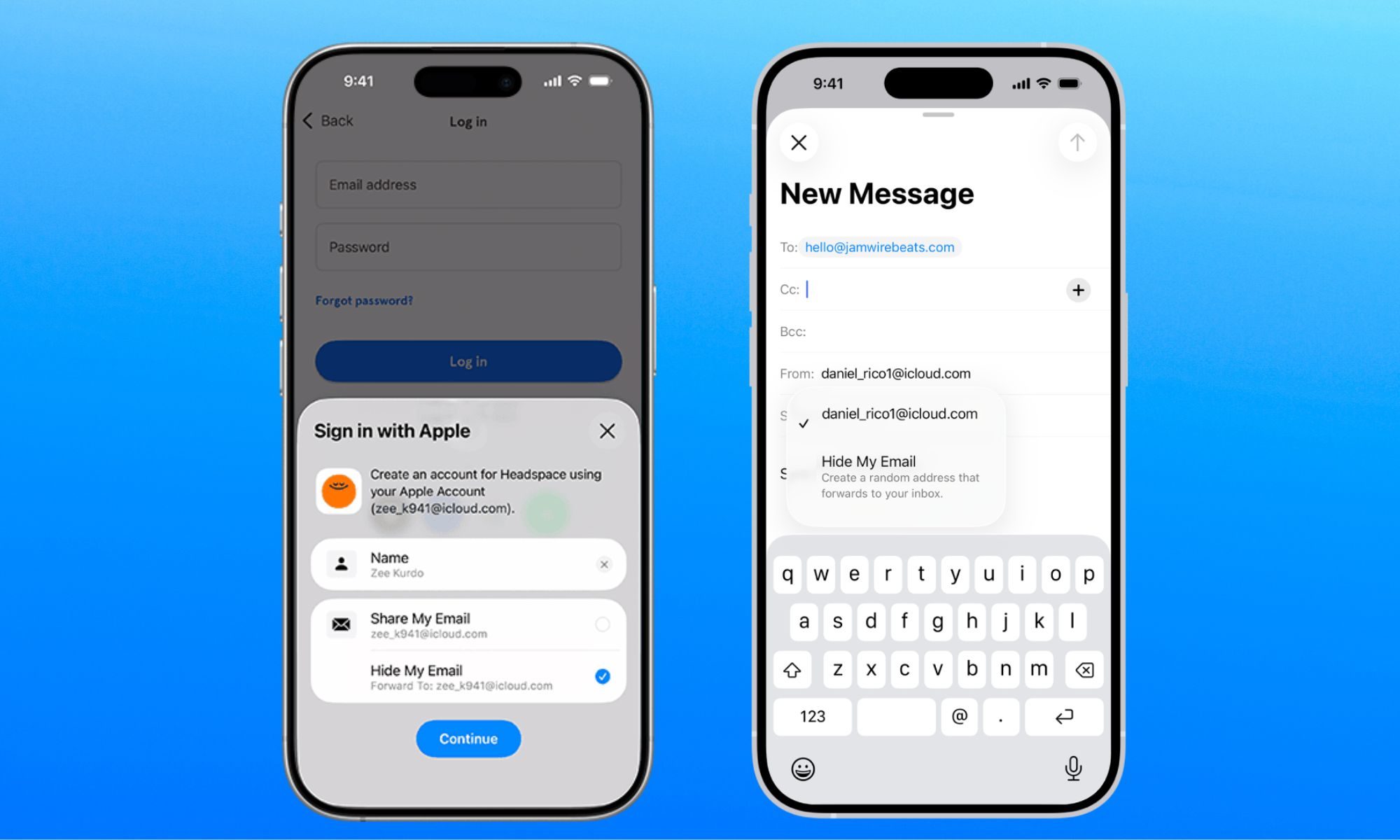
Apple fixes Hide My Email bug that exposed users’ real email addresses
Here's how Apple's Hide My Email flaw leaked real addresses for over a year, and why it only got fixed once the story went public.
apple-merging-sign-in-with-apple-hide-my-email-icloud+

Turns out the "Hide" part of Hide My Email wasn't doing its job quite as advertised, something that I covered early in July. Security researcher Tyler Murphy reported the flaw in June 2025, but despite Apple claiming it was resolved in March 2026, independent tests confirmed it remained exploitable, at least until July 3, 2026.

So how did this bug actually work?

Read more
Gemini Notebook’s new Collections arrive just as Google turns it into a bigger workspace
Google is cleaning up notebook organization as the former NotebookLM expands across Gemini and Search
Gemini Notebook branding on a MacBook

Google has barely finished renaming NotebookLM, and it’s already addressing one of the headaches that comes with building a large research library.

Collections are rolling out to all Gemini Notebook users, giving them a way to group related notebooks while keeping everything visible under My Notebooks. The dashboard gets some structure without asking users to rearrange the library they’ve already built.

Read more