1. Home
  2. Computing
  3. Mobile
  4. Web
  5. News

Yahoo becomes the first company to disclose secretive national security letters

Add as a preferred source on Google

Yahoo has become the first company to disclose details of three national security letters (NSLs) to the public. The company is able to make this announcement as a result of recent changes to the USA Freedom Act.

An NSL is a type of subpoena used by the United States federal government to request information pertinent to matters of national security. This communication is typically accompanied by a nondisclosure agreement that prohibits the recipient from making the request known to the public.

Recommended Videos

However, the enactment of the USA Freedom Act introduced a stipulation that forces the FBI to periodically assess whether nondisclosure requirements associated with particular NSLs are still warranted. If there’s no reason to keep the request under wraps, the gag order is lifted and the recipient can make the information known if they see fit.

Yahoo has opted to disclose three NSLs received in April 2013, August 2013, and June 2015 in an effort to reinforce its values relating to transparency and user privacy. The company has made correspondence from the FBI available online, but of course has redacted any information relating to specific user accounts.

The company complied to all three of the requests, to the full extent of its ability and the requirements of the law. Yahoo offered up the name, address, and length of service for each of the accounts listed in two of the NSLs, but was unable to supply any information in response to the third as the requested account was not found in its system.

“We believe there is value in making these documents available to the public to promote an informed discussion about the legal authorities available to law enforcement,” reads an accompanying blog post by Chris Madsen, Yahoo’s Head of Global Law Enforcement, Security, and Safety. “They also demonstrate the importance of hard-fought reforms to surveillance law achieved with passage of the USA Freedom Act.”

Brad Jones
Brad is an English-born writer currently splitting his time between Edinburgh and Pennsylvania. You can find him on Twitter…
ChatGPT will now remind teens to take breaks and give parents more controls
New parental controls include Quiet Hours, Study Mode defaults, and alerts for serious account violations.
chatgpt-teen-safety-features

OpenAI wants to make ChatGPT safer for teens, and the changes go well beyond a simple content filter. In a new update, the company laid out its stance on why teens should have access to AI in the first place, arguing that keeping them away from it entirely would leave them unprepared for one of the defining technologies of their generation.

Nearly 90% of teens already use ChatGPT weekly for learning, research, or getting organized, which is why OpenAI says access needs to come paired with real protections built for their age.

Read more
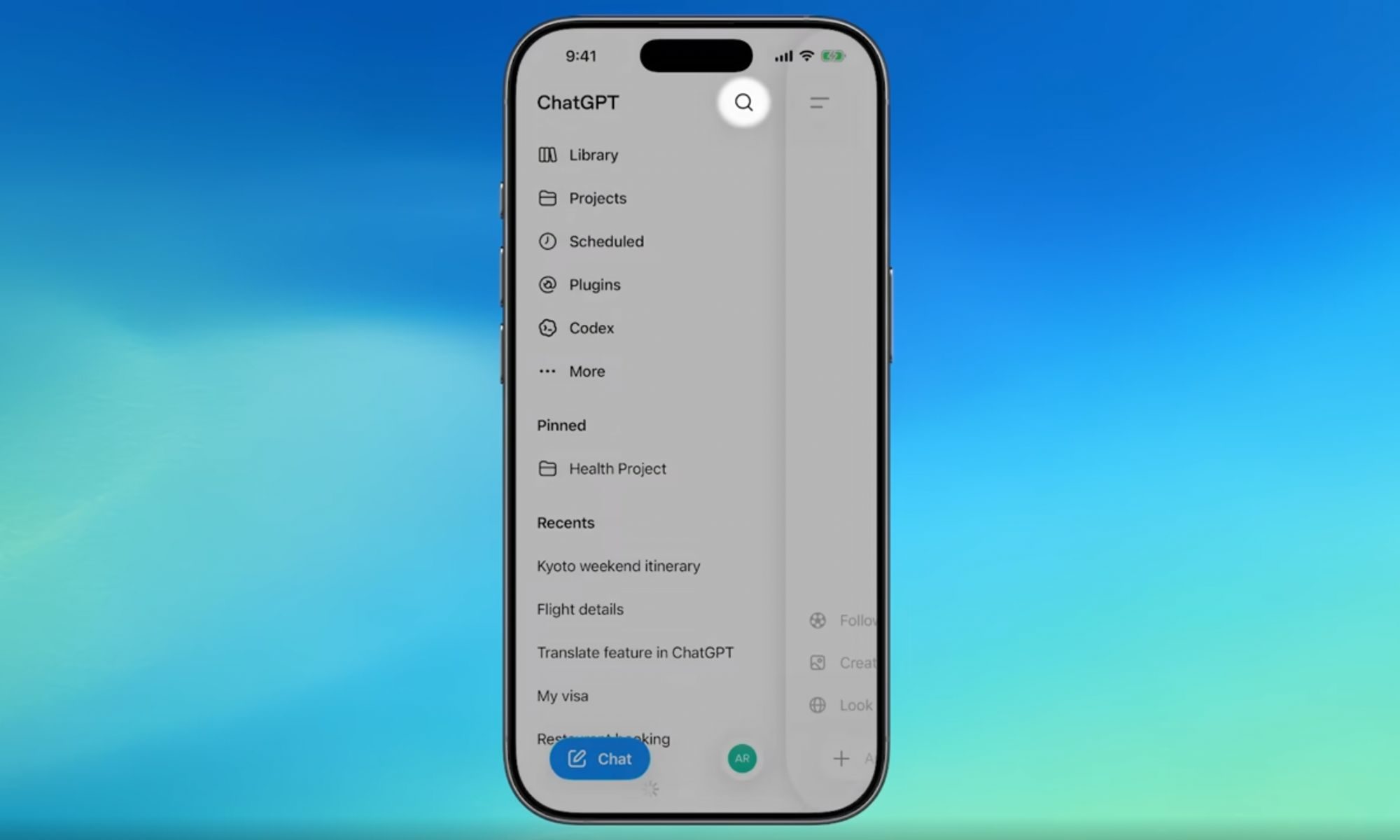
ChatGPT’s new search tool saves you from digging through old chats, files, and images
You can also filter ChatGPT search results by content type.
chatgpt-new-search

If you have ever lost a great ChatGPT answer somewhere in your endless chat history, that headache is finally over. OpenAI has rolled out a major search upgrade that lets you find old chats, projects, documents, and images all from one place.

Before this update, the sidebar search only pulled up past conversations, leaving uploaded files, projects, and generated images completely out of reach. The new search option is now available across web, iOS, and Android, on every ChatGPT plan, including free accounts.

Read more
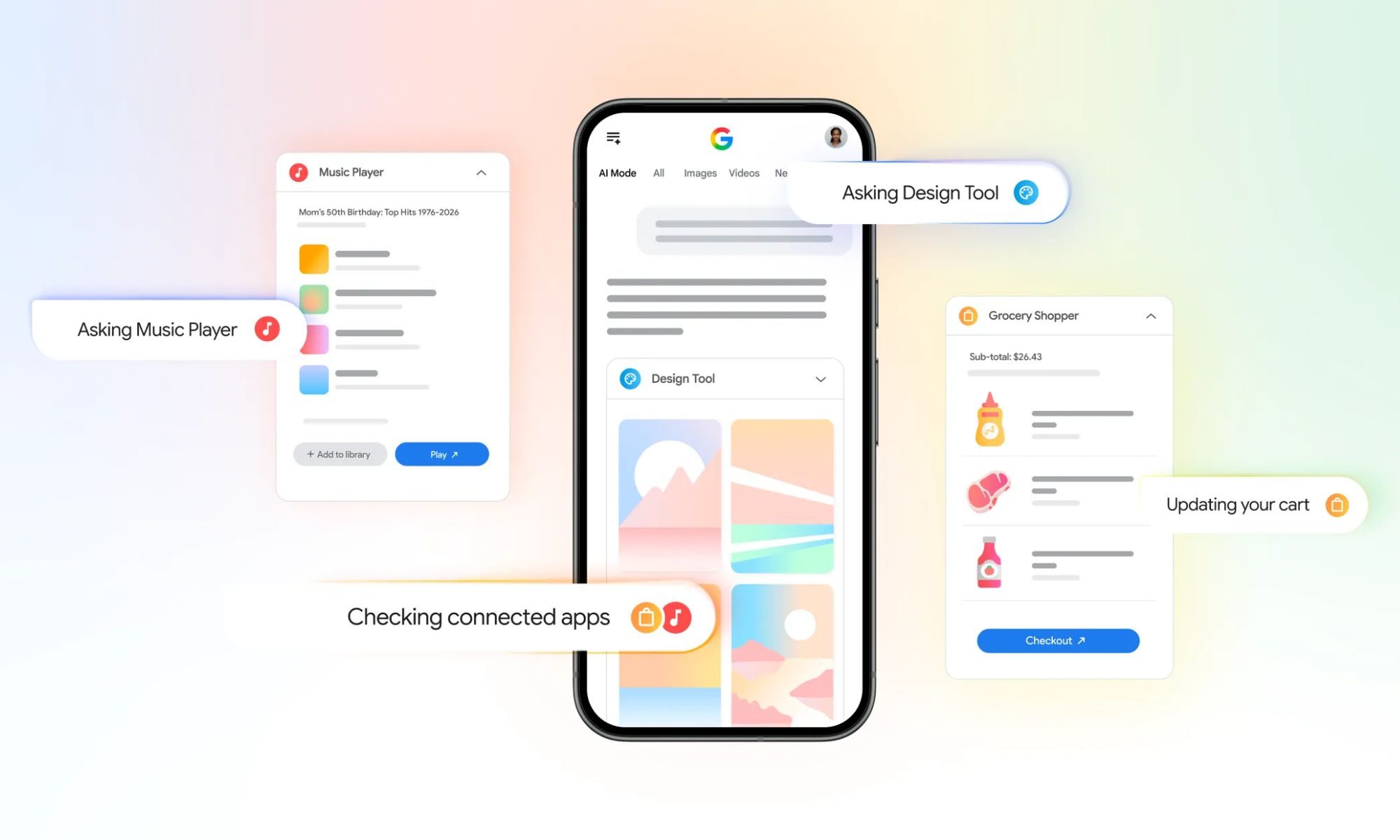
You can now link your favorite apps to AI Mode in Google Search to get things done
AI Mode now works with Instacart, Canva, and YouTube Music inside Search.
google-search-ai-mode-connect-apps

Google is making AI Mode in Search more useful by letting you connect third-party apps. Starting this week in the US, you can securely connect some of your go-to apps directly to AI Mode, letting Search actually complete tasks for you instead of just answering questions.

This update builds on a similar trick Google already pulled off inside the Gemini app, and now it is landing in Search itself. The initial rollout includes three launch partners, Instacart, Canva, and YouTube Music, with Google saying more app integrations are on the way.

Read more