1. Home
  2. Computing
  3. Web
  4. Legacy Archives

Yahoo Mail hit by hackers, passwords reset

Add as a preferred source on Google

Yahoo said Thursday it had discovered what it described as a “coordinated effort” by hackers to gain access to a number of Yahoo Mail accounts.

In a ‘security update’ message posted on its Tumblr page, Yahoo’s Jay Rossiter declined to say precisely how many accounts had been compromised, but said it had taken “immediate” action and contacted affected users, prompting them to reset their passwords.

Recommended Videos

There are known to be some 273 million Yahoo Mail accounts globally, with around 81 million based in the US.

Rossiter said a list of usernames and passwords used in the attack “was likely collected from a third-party database compromise” and that there was currently no evidence that personal data had been taken directly from any of Yahoo’s own servers. Of course, this begs the question: From which third-party database was the information pulled? If Yahoo knows, it didn’t want to say.

Describing its investigation as “ongoing,” Rossiter said the company had so far discovered that “malicious computer software used the list of usernames and passwords to access Yahoo Mail accounts.”

Yahoo said that besides contacting those affected, it had already reset passwords on impacted accounts and was using second sign-in verification to enable users to choose a new password. It added that it’s now working with federal law enforcement in an effort to find those responsible, and had implemented “additional measures” in an effort to prevent future attacks on its systems.

The last few months have seen a number of high profile cyberattacks – retail giant Target was hit recently by a hack affecting up to 110 million of its online users, while back in October Adobe reported a serious security breach impacting up to 38 million accounts. 

Whether or not your Yahoo Mail account was compromised in this week’s incident, now is as good a time as any to review your password strategy – especially if you’re using one like this.

 [Image: Zsolt Biczo / Shutterstock]

Trevor Mogg
Contributing Editor
Not so many moons ago, Trevor moved from one tea-loving island nation that drives on the left (Britain) to another (Japan)…
TSMC might set up a price hike that could come straight for your next phone, laptop, or tablet
Here's what TSMC's rumored 10% chip price increase actually means in dollar terms, and why your next phone or laptop could end up costing more.
TSMC Fab

My wallet flinched the second I saw the words "TSMC" and "price increase" in the same headline, and honestly, yours should too.

Turns out the company behind the silicon powering basically every flagship device out there, including Apple’s A-series and Qualcomm’s Snapdragon processors, is reportedly about to make all of it a little pricier.

Read more
Apple fixes Hide My Email bug that exposed users’ real email addresses
Here's how Apple's Hide My Email flaw leaked real addresses for over a year, and why it only got fixed once the story went public.
apple-merging-sign-in-with-apple-hide-my-email-icloud+

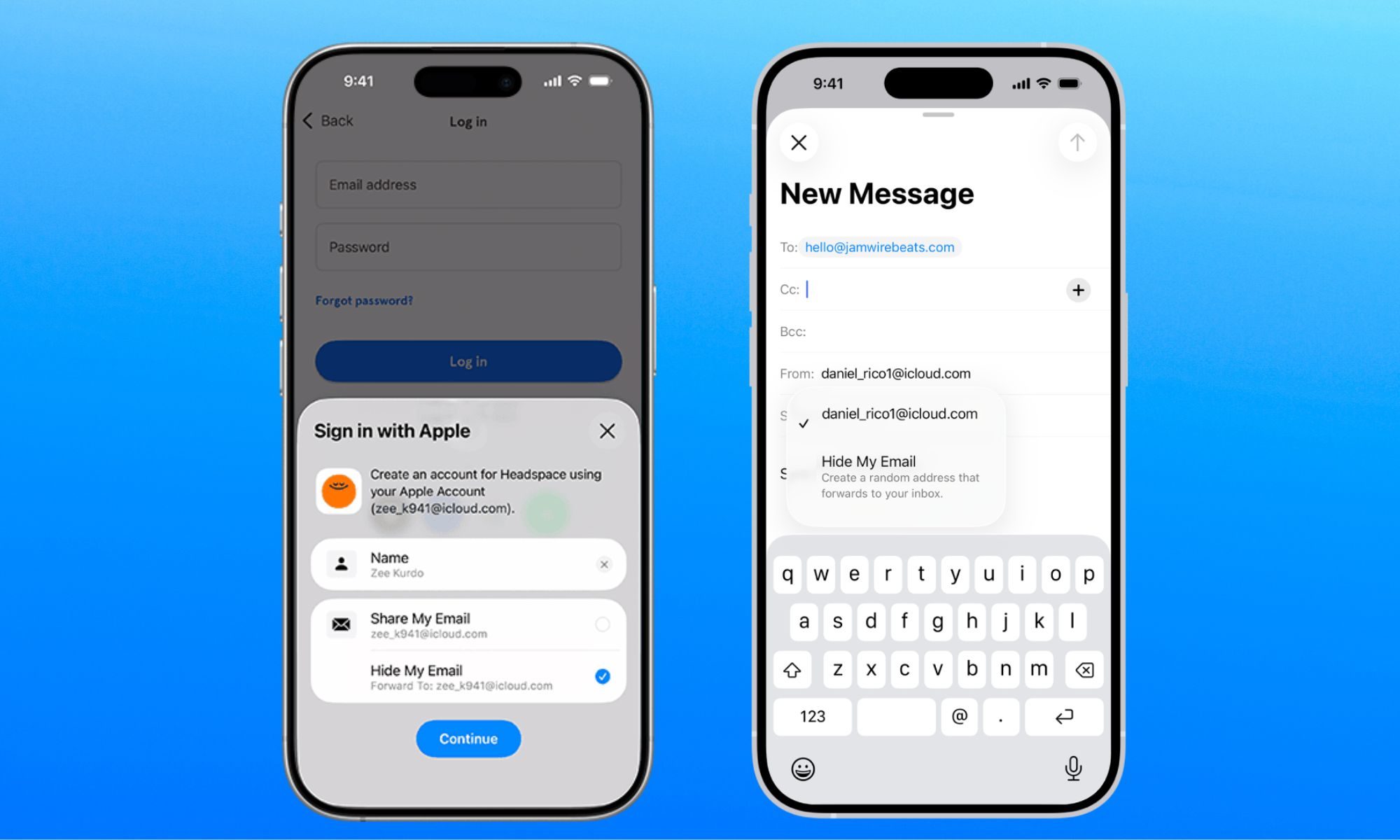
Turns out the "Hide" part of Hide My Email wasn't doing its job quite as advertised, something that I covered early in July. Security researcher Tyler Murphy reported the flaw in June 2025, but despite Apple claiming it was resolved in March 2026, independent tests confirmed it remained exploitable, at least until July 3, 2026.

So how did this bug actually work?

Read more
Gemini Notebook’s new Collections arrive just as Google turns it into a bigger workspace
Google is cleaning up notebook organization as the former NotebookLM expands across Gemini and Search
Gemini Notebook branding on a MacBook

Google has barely finished renaming NotebookLM, and it’s already addressing one of the headaches that comes with building a large research library.

Collections are rolling out to all Gemini Notebook users, giving them a way to group related notebooks while keeping everything visible under My Notebooks. The dashboard gets some structure without asking users to rearrange the library they’ve already built.

Read more