1. Home
  2. Emerging Tech
  3. News

Pro drone racing is dizzying, insane, and just started its first official season

Add as a preferred source on Google

The world’s first official Drone Racing League launched this week in New York City, and it’s hitting the ground running (or hitting the sky flying), with six events around the world in 2016. Competitive drone racing has been likened to Star Wars pod racing and everyone’s favorite speed games, but the DRL takes the sport to a whole new level. Pilots race regulation drones in a series of heats, reaching speeds of up to 80 miles per hour. And DRL courses are plotted out in three dimensions, so pilots will have to navigate their drones around obstacles, tight turns, and narrow passageways on their road to victory.

Each drone pilot in the DRL wears goggles that display a live video feed from their drone as it speeds around the track. League officials have sanctioned the official vehicle for competition, called the DRL Racer 2. It’s equipped with a standard-definition camera for the pilot’s video feed, and HD cameras that will help DRL producers cut together compelling video feeds for playback and promotional purposes. And colored LED lights on the body of the DRL Racer 2 help boost visibility when the drones are racing around league courses at top speeds.

Recommended Videos

Issuing official DRL Racer 2 drones to each pilot is one of the league’s strategies to level the playing field, instead of letting pilots supply their own equipment. The DRL hopes that introducing regulations similar to those used in professional sports leagues or even car racing competitions could help bring legitimacy to drone racing, even in its infancy. “We’re committed to building the best drones, and most inspiring courses, and creating the ultimate proving ground for the world’s greatest drone pilots,” said DRL Founder and CEO, Nicholas Horbaczewski.

As a sport, drone racing still faces technical issues that could hold it back. The DRL is tackling those problems head on by building custom systems and bespoke drone equipment. Product Director Ryan Gury even designed the DRL Racers’ radio communications systems from scratch. So far, the DRL has been able to raise more than $8 million in funding to bring its 2016 slate of competitions to life. If all goes according to plan, the first event will launch at the Dolphins’ stadium in Miami on February 22, followed by another race in Los Angeles in March.

Chloe Olewitz
Former Digital Trends Contributor
Chloe is a writer from New York with a passion for technology, travel, and playing devil's advocate. You can find out more…
Google just canceled its AI Studio mobile app, and it’s not all bad news
Logo, Symbol, Disk

Google AI Studio was on track to make its way to Android and iPhone, giving developers and AI enthusiasts a dedicated place to build prompts and experiment with Google's latest models from their phones.

That's no longer happening. In a post shared by the official Google AI Studio account on X, Google confirmed that it's canceling the standalone AI Studio mobile app before launch. The announcement comes despite the company saying nearly 800,000 people had already pre-ordered the app across iOS and Android.

Read more
Google Earth’s AI misadventure lasted only a day. It was a tale of dangerous ignorance.
Nuclear reactors, tanks, and historical destruction on a life-like satellite map? Yeah, that's bad.
Nano Banana AI image generator representation.

Technology behemoths are clearly not reading the room, or they are just moving faster than they should when it comes to AI deployment. Google has already stuffed its Gemini AI in every corner of its software stack, from Android to daily productivity tools like Gmail that are used by hundreds of millions of users every day. AI is everywhere. Not all of it is bad, mind you. But in a few places, it just feels forced.

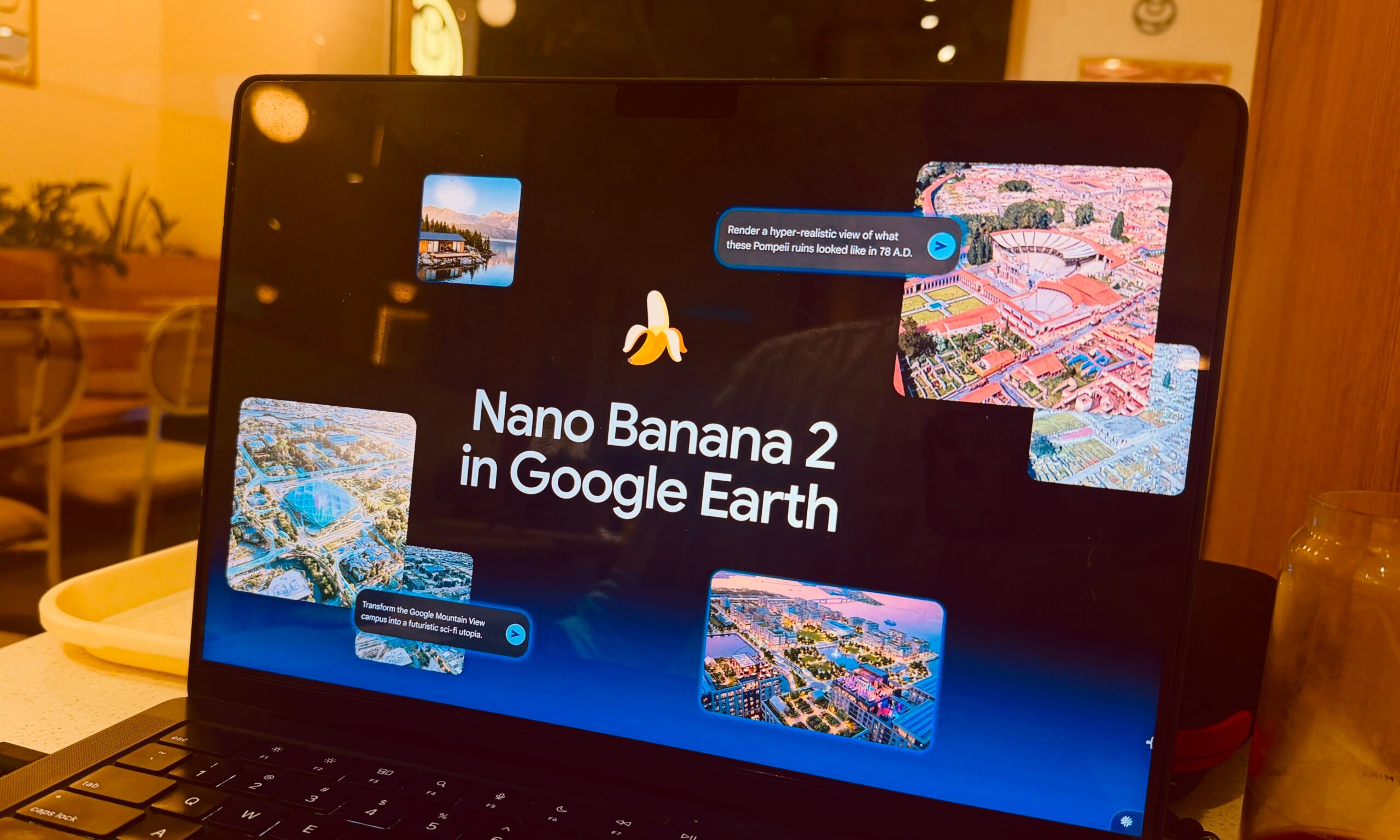
In its latest AI-fication experiment, the company targeted Google Earth. The idea was to let the audience use its Nano Banana 2 AI image generator and make images that can be placed on the map view. On paper, it's a cool idea. What would the Colosseum of Rome look like in your urban neighborhood? Yeah, fun stuff like that.

Read more
Google’s new AI gives robots better balance, smarter hands, and teamwork capabilities
Google just made robots a lot less clumsy and a lot more helpful.
Gemini robotics 2.0

Google DeepMind just brought sci-fi robots closer to reality, and it is very exciting. Building on its original Gemini Robotics model, the company has introduced Gemini Robotics 2, an AI system designed to help robots think, move, and even work together. Unlike most robots today, which rely on pre-programmed routines or someone controlling them remotely, this new system lets robots figure things out on their own when situations get unpredictable.

Can robots finally handle whole-body tasks?

Read more