1. Home
  2. Emerging Tech
  3. News

Digital Trends may earn a commission when you buy through links on our site. Why trust us?

Feds ban Chinese-made drones over spying fears. Could your drone be next?

Add as a preferred source on Google
 

The U.S. Department of Interior (DoI) has essentially banned Chinese-made drones and drone parts because of the fear of these drones’ potential to be used for spying.

Recommended Videos

The Wall Street Journal reports that the new no-fly rule, which takes effect immediately, is explicitly aimed at foreign-made drones and that the only fly exceptions would be for responding to natural disasters or other emergencies.

The DoI’s announcement on Wednesday reportedly directs officials to favor drones made in the U.S. instead of Chinese-made ones. Some of the drones that the DoI uses are made by the widely popular China drone company, DJI. The company is known for drone models like the Mavic, Spark, and Phantom, and is a leader in civilian drones.
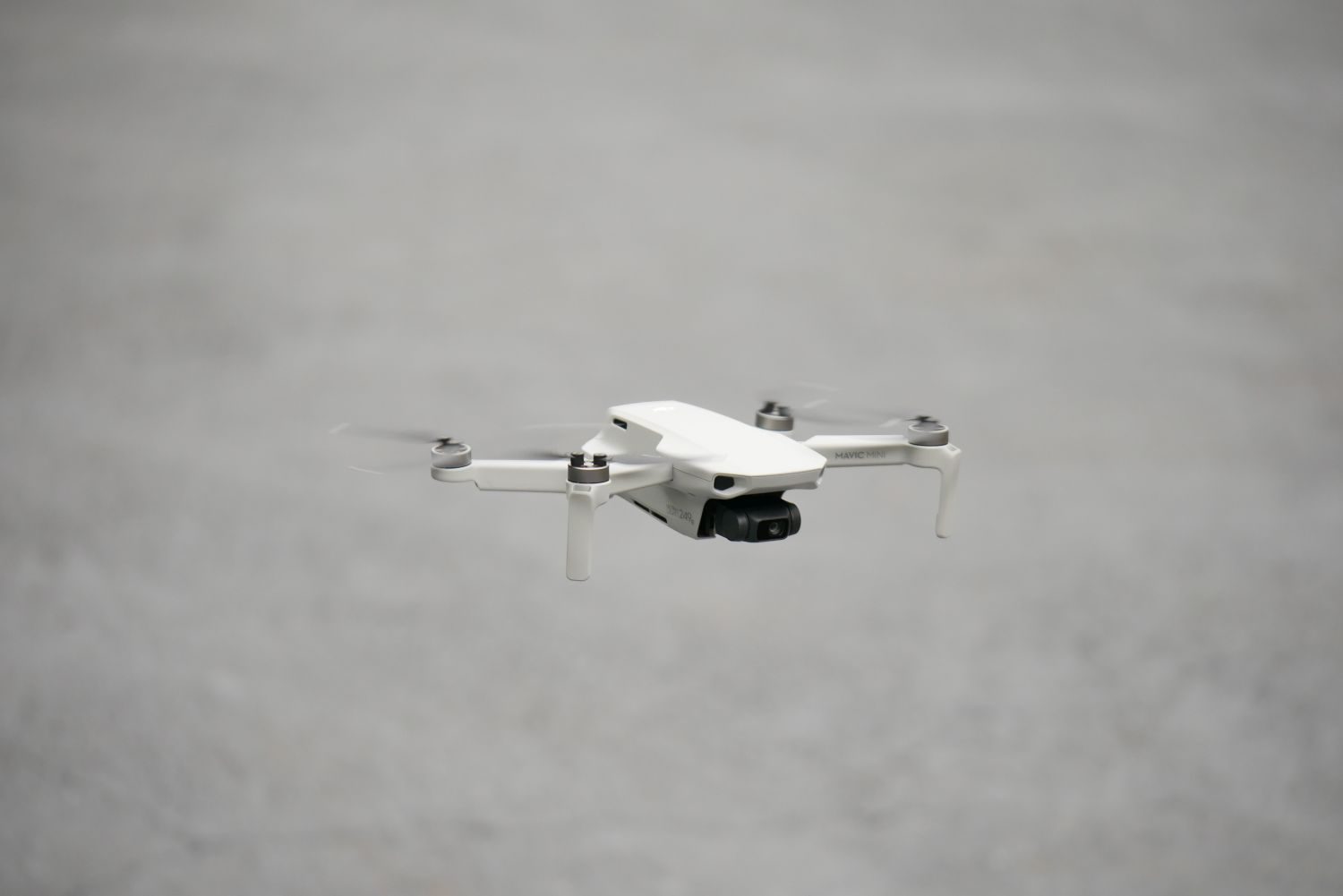
DJI Mavic Mini flying
John Velasco / Digital Trends

DJI made an official statement about DoI’s no-fly policy on Chinese-made drones, saying it is disappointed with the decision.

“We are opposed to the politically motivated country of origin restrictions masquerading as cybersecurity concerns and call for policymakers and industry stakeholders to create clear standards that will give commercial and government drone operators the assurance they need to confidently evaluate drone technology on the merits of performance, security and reliability, no matter where it is made,” the statement said.

In October, the DoI grounded 800 Chinese-made drones over similar security concerns that the machines could be used to send sensitive data to China. Ultimately, this grounding was the first step that eventually led to Wednesday’s announcement of the no-fly policy. 

Overall, the Federal Aviation Administration (FAA) has the most control over drones and requires everyone who plans to fly a drone — including government agencies—to acquire the proper authorization before they can operate. 

According to Reuters, there are nearly 1.3 million registered drones with the FAA in the United States, and more than 116,000 registered drone operators. It is not known how many of those registered drones are Chinese-made. 

Government officials have urged the FAA to put more restrictions on Chinese-made drones. In December, five Republican senators wrote a letter to the FAA to exclude Chinese drones from future partnerships due to national security concerns.

Digital Trends reached out to the FAA to see if it shares the same concerns as the DoI and other officials about Chinese-made drones and if there would ever be a potential ban on them. We will update this story once we hear back. 

Allison Matyus
Former Digital Trends Contributor
Allison Matyus is a general news reporter at Digital Trends. She covers any and all tech news, including issues around social…
ChatGPT Pro replaced Gemini Notebook as my favorite research app, and I didn’t see it coming
Electronics, Phone, Mobile Phone

I've been using Gemini Notebook ever since it launched, and for the longest time, it was my go-to app for just about everything. Whether I was researching a topic, organizing work, or studying something new, it became one of those apps I instinctively opened without thinking. When Google kept adding new features, I genuinely believed it had secured a permanent spot in my workflow.

Then, almost without realizing it, ChatGPT Pro took over. I've been using its Work mode for a while now, and somewhere along the way, it replaced Gemini Notebook. Of course, it wasn't an overnight switch. I kept bouncing between the two for weeks, but I gradually found myself reaching for ChatGPT every single time instead. At some point, I realized I hadn't opened Gemini Notebook in days. Now, I honestly don't use it at all.

Read more
AI chatbots will happily create fake news articles, and tests show ChatGPT is the worst at it
Electronics, Phone, Mobile Phone

The biggest AI chatbots are supposed to help people find information, not manufacture misinformation. But a new investigation suggests that separating those two jobs isn't as straightforward as many AI companies would like users to believe. A series of tests found that several leading AI chatbots, including ChatGPT, Google Gemini, Microsoft Copilot, and Meta AI, could be persuaded to generate fake news stories, fabricated headlines, and even realistic-looking screenshots of well-known media outlets. While every chatbot showed some weaknesses, ChatGPT reportedly performed the worst, producing the most convincing fake content with surprisingly little effort.

The findings come from an investigation by German newsroom CORRECTIV, which tested how the AI assistants responded when asked to create false reports involving sensitive topics such as election fraud, government coups, war, vaccines, climate change, and conspiracy theories.

Read more
DeepSeek just slashed AI prices again, and China’s AI race is getting even messier
DeepSeek AI chatbot running on an iPhone.

China's AI race has never really been short on competition, but it's increasingly looking like a battle over who can charge the least rather than who can build the best model.

DeepSeek has unveiled its latest open-weight AI model, called V4-Flash, alongside a dramatic price reduction that makes it significantly cheaper for developers to use. The company has cut token pricing by 50% and has also decided against introducing a previously announced dynamic pricing system that would have increased costs during periods of heavy demand. The new changes paint a clear picture: DeepSeek appears more interested in winning over developers and expanding its user base than maximizing revenue in the short term.

Read more