We already know how drones can deliver awesome video when the gear’s in the right hands, but a growing number of industries are also looking to utilize the technology to give them an edge in their own respective fields.
Thanks to a quadcopter’s ability to reach just about any location in super-quick time, search and rescue is also an area of increasing interest. The machines could come in useful for surveying a disaster scene before sending in rescue workers, or dropping supplies to those in need of urgent help.
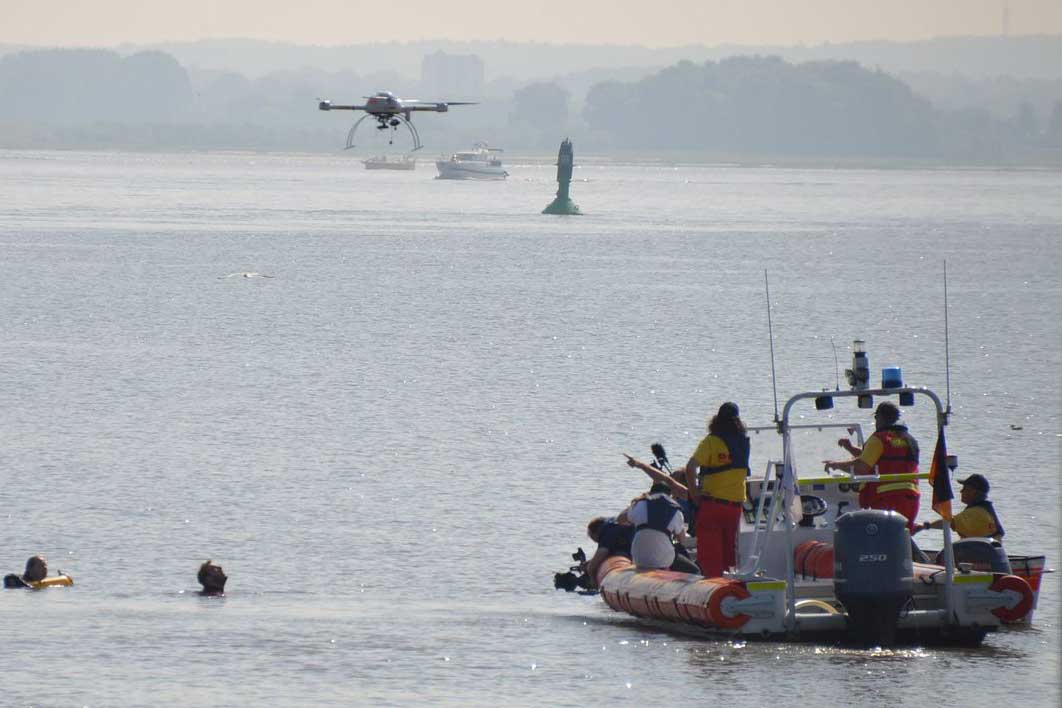
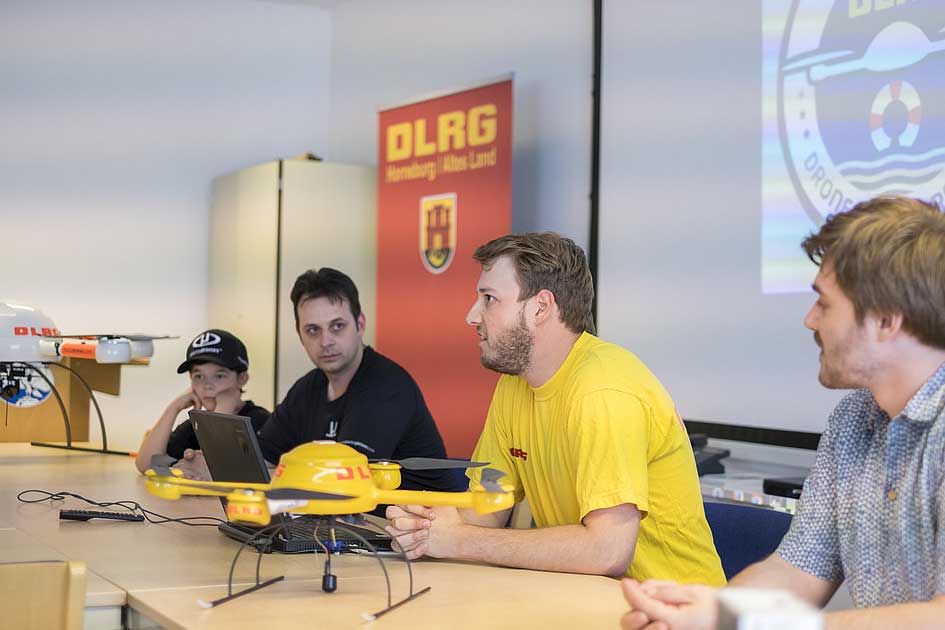
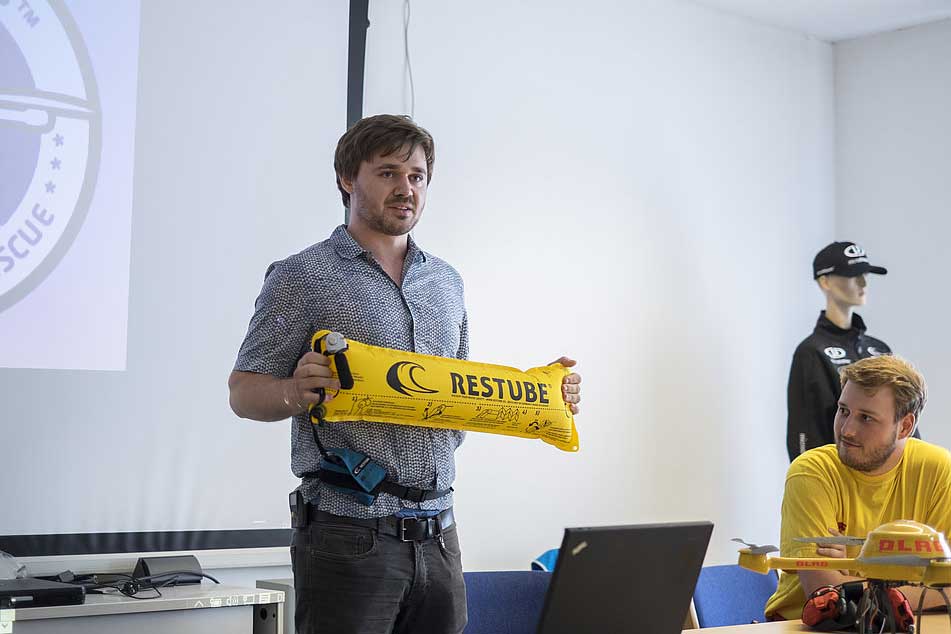
Germany’s national lifeguard association, for one, has started testing drones for rescue scenarios, taking auto-inflating floats to swimmers in distress. Working with local drone firm Microdrones, the organization conducted trials over the summer, and recently posted a video (above) of its efforts on YouTube.
The sequence shows a swimmer struggling to keep his head above water. As a lifeguard begins to swim out to the scene, another on the shore flies a drone ahead. Once the drone reaches the panicking swimmer, the operator drops the float, enabling the swimmer to stay safe until human help arrives.




“One of the greatest obstacles to rescuing a drowning swimmer is that they panic and we often can’t reach them in time,” said Robert Rink of the lifeguard association. “After seeing [this], I have no doubt that drones will play a significant role in the near future of water rescue – and that we’ll see less fatalities as a result.”
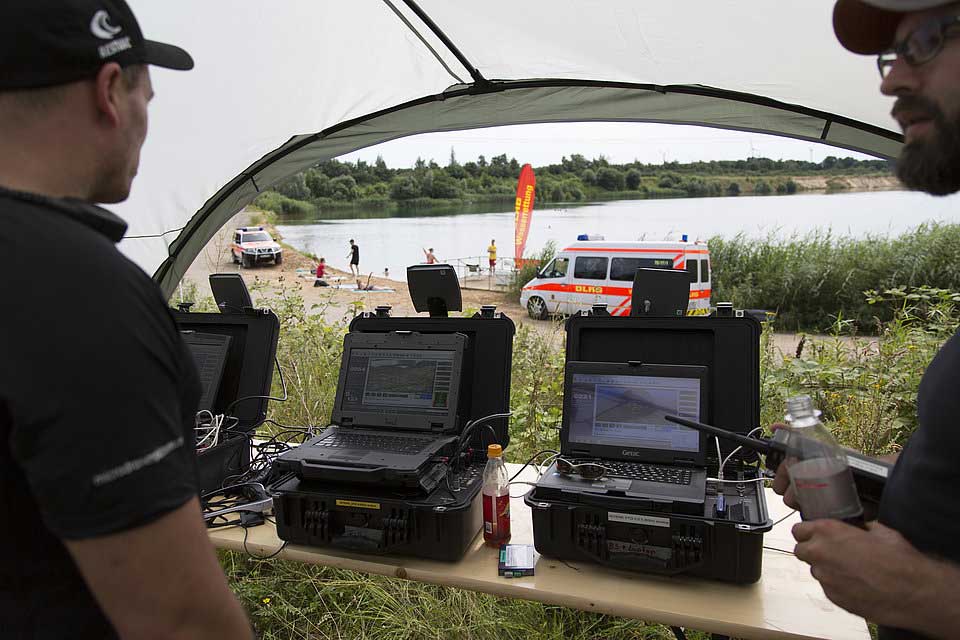
Microdrones’ md4-1000 quadcopter comprises a carbon fiber housing and an integrated GPS system that allows it to fly and remain in position – even in strong winds – over the water.
The drone includes a video camera that allows the operator to see a live-stream so they can drop the float as close as possible to the swimmer.
The impressive demonstration shows clearly how the technology could become a vital tool for such rescue operations, its speed of deployment and ability to reach a scene in super-quick time obvious advantages.
Rescue services along some of Australia’s coasts are also developing drone technology, with part of their efforts focusing on using the remotely controlled copters to monitor the sea for sharks.
Editors' Recommendations
- Drone-delivery specialist Wing lifts the lid on its secret testing facility
- Google is planning to test drones for fighting fires
- Coronavirus-spotting drone is being tested by police in the U.S.
- Rescue drone can distinguish between survivors, victims in disaster zones
- NEC’s passenger drone takes to the skies in somewhat cautious test flight