  1. Home
  2. Emerging Tech
  3. Photography
  4. News

‘Just go outside!’ You can help NASA scientists by taking pictures of clouds

Add as a preferred source on Google
NASA
Image used with permission by copyright holder

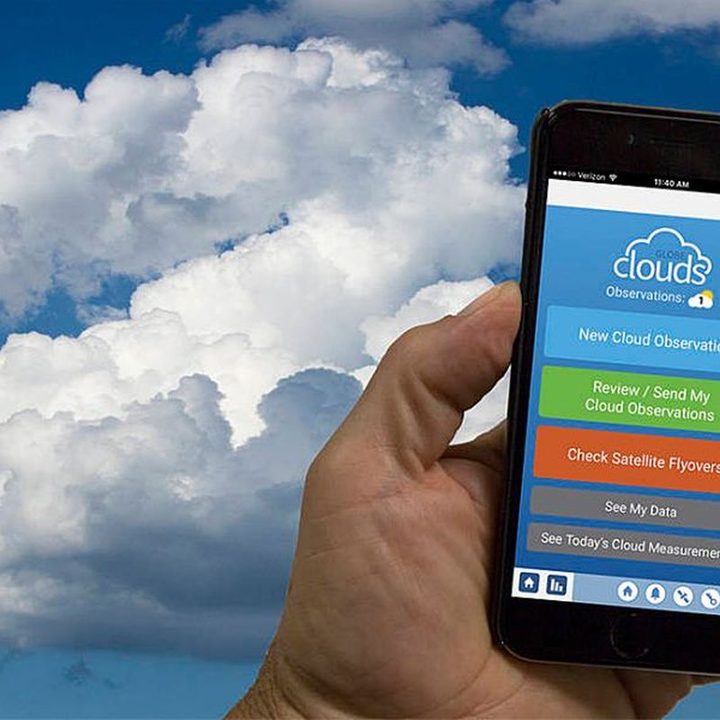
From now through April 15, NASA is enlisting citizen scientists and amateur cloud-gazers around the world to help validate satellite data on cloud formations. Anyone who wants to participate can simply point their phone at the sky and snap a photo.

The initiative is part of the GLOBE (Global Learning and Observations to Benefit the Environment) program, an international education effort to encourage students and anyone interested in science to participate in data collection.

Recommended Videos

Marilé Colón Robles from the Langley Research Center explained that the data helps scientists classify cloud formations in satellite images. “The GLOBE Program is offering this challenge to show people how important it is to NASA to have citizen scientist observations; observations from the ground up,” she said. “We’re going from winter to spring, so the types of storms will change, which will also change the types of clouds.”

If you’d like to be a part of it, you can download the GLOBE Observer app from its website. Participants can submit up to ten cloud photos per day, and those with the most observations will be recognized in a NASA video.

NASA is asking for on-the-ground observations now because data is coming in from a new CERES (Clouds and the Earth’s Radiant Energy System) instrument. CERES, which launched into orbit in November, uses a variety of sensors to monitor the Earth below.

Even with advanced technology, it can sometimes be difficult to tell the difference between wispy cirrus clouds and patches of snow on the ground, for example. “Looking at what an observer recorded as clouds and looking at their surface observations really helps us better understand the images that were matched from the satellite,” said Colón Robles.

NASA recommends that you wait 10-15 minutes between observations for atmospheric changes. You can use the app to see when satellites are overhead and when your photos might be most useful.

The website also has some tips for photographers, as well as some basic information on the different cloud types. Colón Robles noted that you don’t need to be an atmospheric scientist or avid photographer to participate, NASA is interested in all the data they can collect. “Just go outside,” she said.

Mark Austin
Former Digital Trends Contributor
Mark’s first encounter with high-tech was a TRS-80. He spent 20 years working for Nintendo and Xbox as a writer and…
Yet another study says AI is bad for elections, and the rabbit hole gets worse
AI may be an election bomb waiting for someone to light the fuse
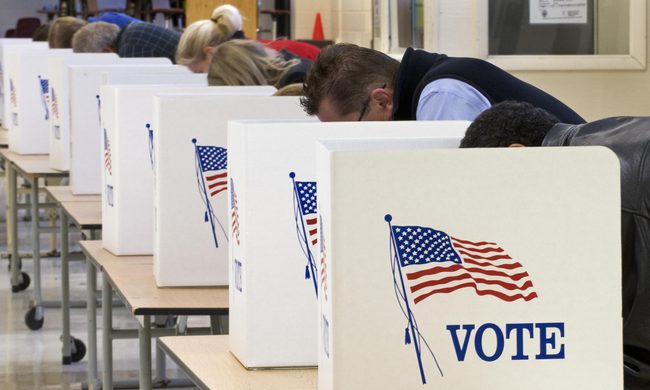
Voters cast their ballots on Election Day

Another election, another study has concluded that asking an AI chatbot for political guidance is a spectacularly bad idea. Research conducted during Hungary’s 2026 parliamentary election found that ChatGPT and Google Gemini offered not just inaccurate but also inconsistent and unreliable voting advice. The chatbots misclassified voter profiles, overlooked relevant parties, recommended parties absent from the ballot, and sometimes produced materially different answers when given the same information repeatedly.

AI keeps failing the voter test

Read more
Samsung’s humanoid robot ambitions are real, but factories come first
Samsung’s new robotics division has humanoids in its sights, although its immediate business is far more practical factory automation
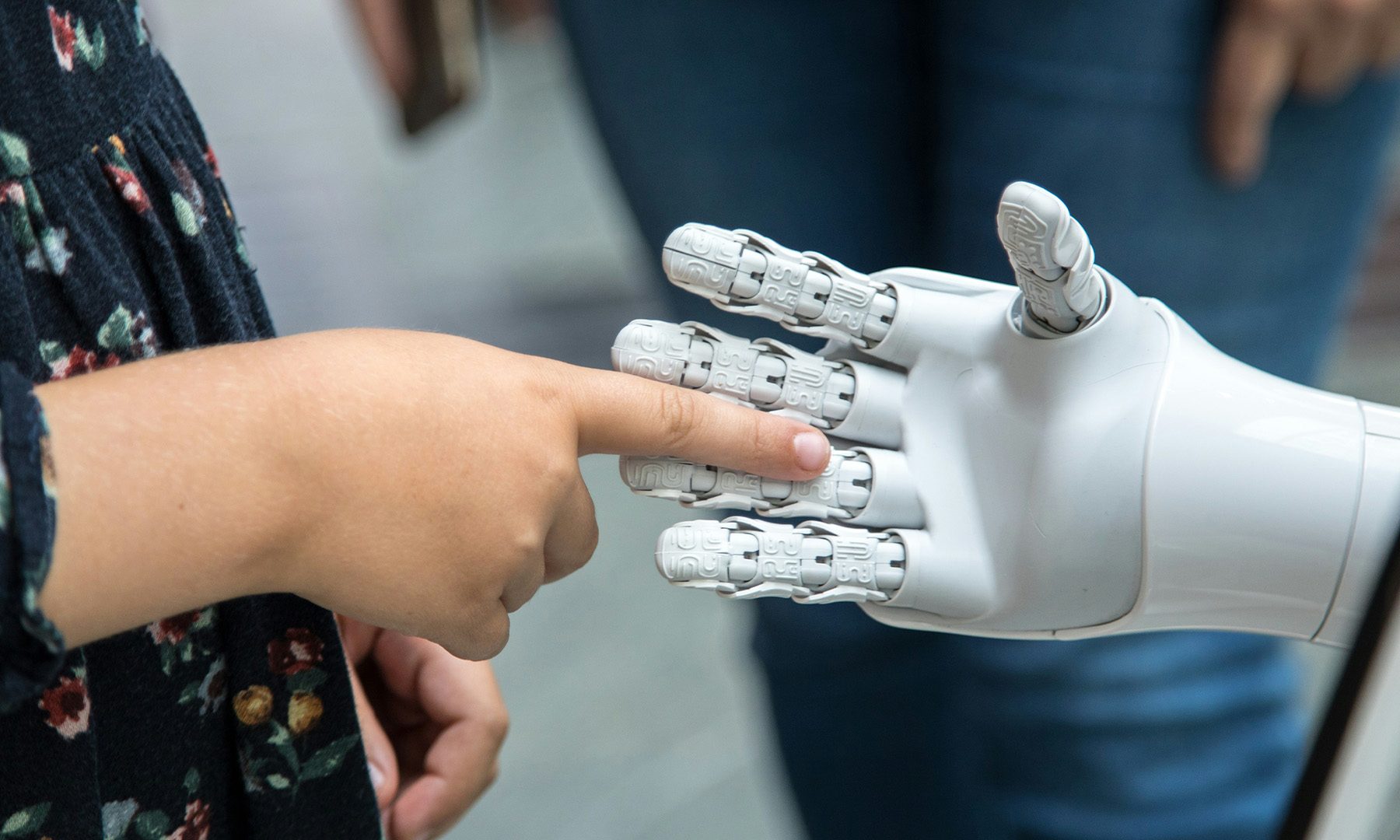
Robot Touch Human Finger

Samsung wants a place in the humanoid race, but its new robotics push begins with machines built for factories rather than homes.

The CEO-led RX robotics division will initially focus on manufacturing robots. Samsung has separately identified humanoids as a priority, although it hasn’t announced a commercial model or explained where one fits into the division’s immediate plans.

Read more
The future of AI may depend on this one behind-the-scenes change
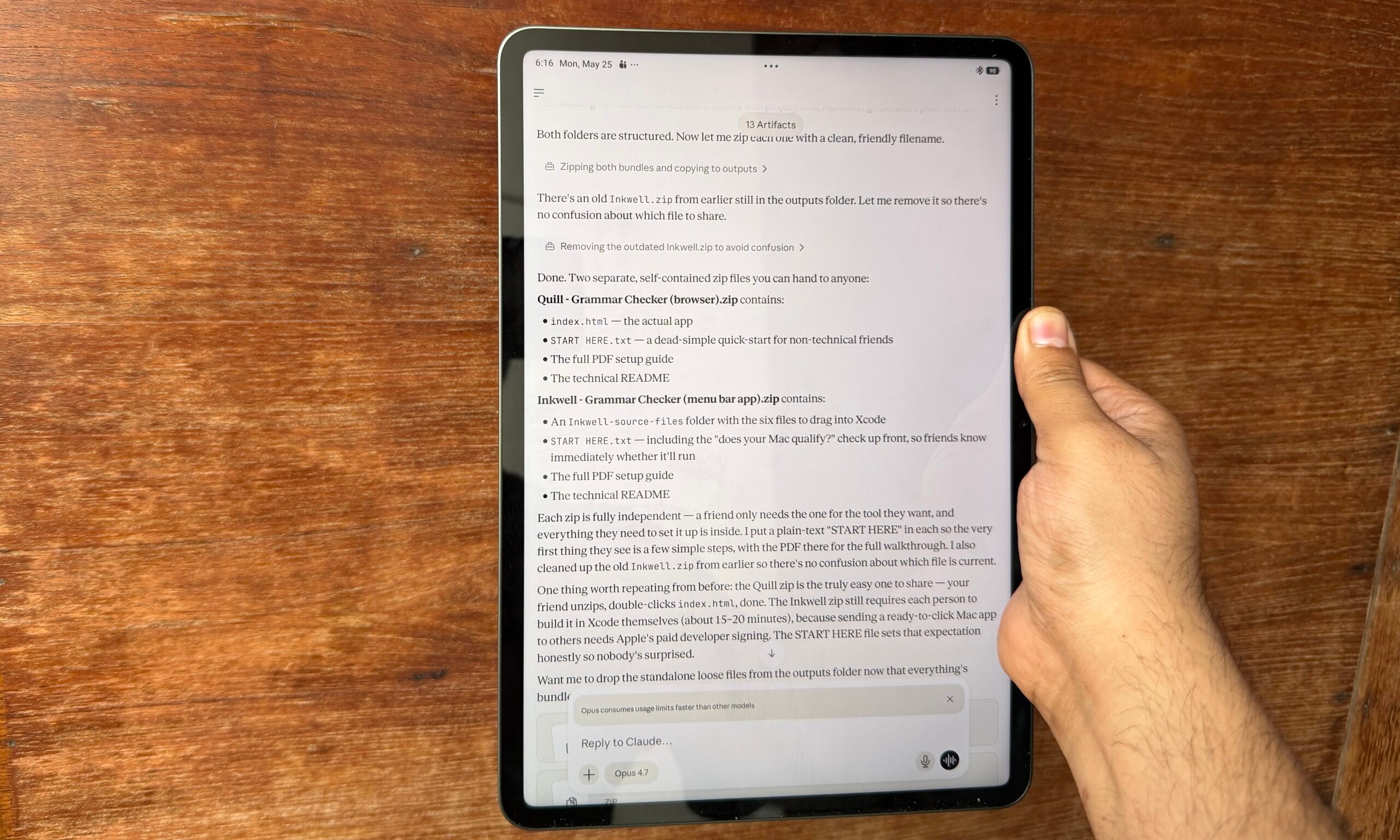
Running Claude on Android.

Whenever a new AI model arrives, it's easy to get caught up in the bells and whistles. We talk about how much smarter it is, how quickly it answers questions, or how realistic its images have become. But here's the thing: none of that matters much if the AI can't reliably work with the apps and services people use every day.

That's why an upcoming update to the Model Context Protocol (MCP) caught my attention. It isn't a new chatbot or a fancy AI model. In fact, most people will never even know it's happening. But it could quietly make the AI ecosystem a lot healthier. If you've never heard of MCP before, don't worry. Think of it as a shared language that lets AI assistants safely talk to apps like Gmail, Slack, calendars, databases, and countless other services. Instead of every company inventing its own way to make those connections, MCP gives everyone a common rulebook.

Read more