


Acclaimed game creator Chris Roberts pushed the space combat simulation genre forward in the early PC gaming days with the Wing Commander franchise, and then again with the games Starlancer and Freelancer. But the game maker left the industry to pursue a Hollywood career, which included his directorial debut with the Wing Commander movie, and led into the position of producer for the films The Punisher, The Jacket, and Lord of War. Now Roberts is back in the game (pun intended).
With over $6 million in Kickstarter funding for his next project Star Citizen, Roberts is developing his most ambitious space sim to date. A team of 60 to 70 people will spend the next two years creating the game on CryEngine 3, and the developer will share the experience along the way with those who have invested. Roberts talks about his return to gaming and explains why now is the perfect time for his favorite genre to return in this exclusive interview.
What made you decide to return to the games industry now?
Several things. One, the technology had moved on enough where I felt like I could do a lot of stuff that I wanted to do, that I couldn’t when I took a break ten years ago, and so that was a big factor. There’s an online connected aspect to it where you can have a whole bunch of people play and venture around in the same world, and that can be done in a pretty high fidelity now where everyone’s got broadband and that’s a big part of it. Then I felt like there was a real shift in the business itself, going away from some of the traditional publisher model, where you’re publishing one or two huge console games like Call of Duty, Battlefield, or Madden.
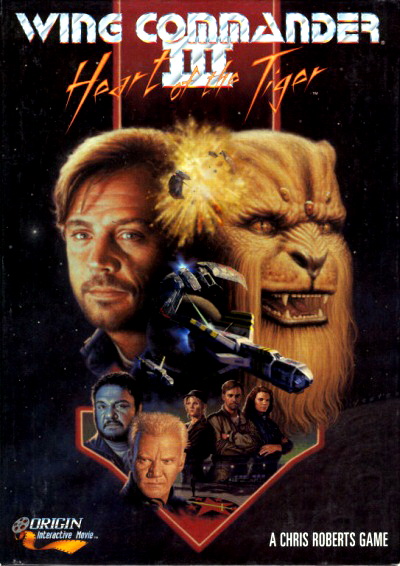 There seems to be an opportunity for some really interesting PC games in some genres that weren’t as well supported before, to have an opportunity to find an audience because of things like crowd funding. And there are people like Riot Games who did League of Legends or the Wargaming guys that did World of Tanks, and they weren’t Electronic Arts or Activision, and they built these great PC games that the audience has showed up for because no one was doing it before. I felt like there was an opportunity. I’m a PC gamer at heart, and I felt like there needed to be more PC games that were just for PC.
How have you seen the game industry evolve since you worked on games like Wing Commander and Freelancer?
A lot. When I first worked on Wing Commander, the top-end PC I worked on had 640K, but most people had 384K. I was doing this new thing called VGA, which had 256 colors and 320 x 200 resolution. So essentially the iPhone I have now is infinitely more powerful. It has 16 gigs, has millions of colors and all the rest of the stuff. It’s a huge change from when I was first doing it, but that’s what’s so fun about the business. It’s always something new every year, and some new challenge.
What does your Kickstarter campaign say about the space combat genre’s overlooked popularity?
I think it was one of the most popular genres when I was making games in the 90s. It was as big as anything else. So I definitely think it’s got a pretty big core audience. I just think that none of the publishers have been focusing on it. I don’t know whether it’s because people shifted to consoles and at the beginning of the console cycle everyone is thinking consoles are for sports, racing, and platform games. At the beginning of the console cycle they weren’t thinking they were for first-person shooters. Everyone would say you can only do a first-person shooter on a PC because you need a mouse. Well, Infinity Ward came and figured it out and did a nice interface on the dual analog stick gamepads, and now everyone has first-person shooters on consoles.
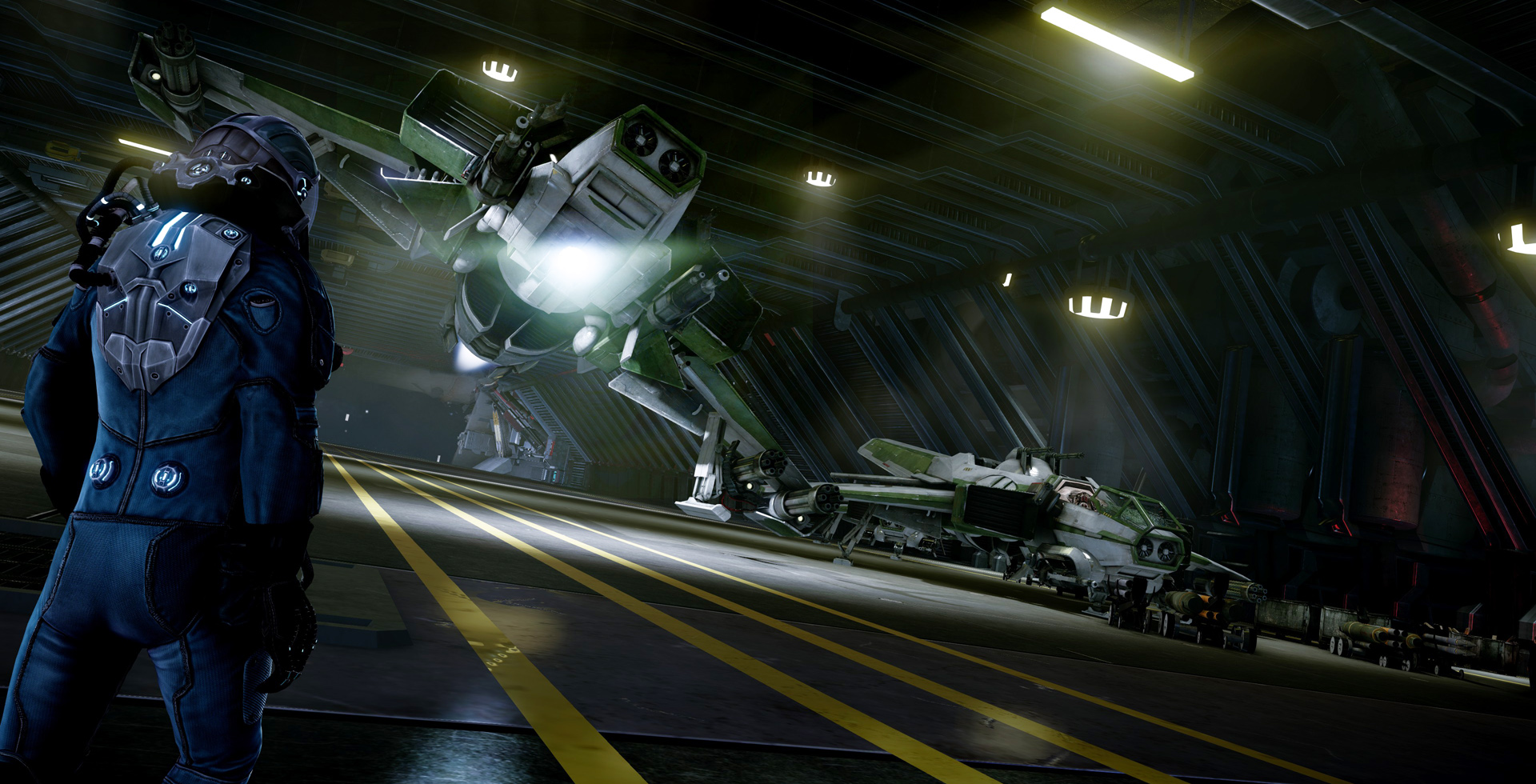 Space combat sims didn’t have a Bungie, which brought Halo to Xbox, pushing that genre. I took a break from the business when consoles were coming to prominence with PS2 and Xbox and everything. I don’t see any reason why the genre isn’t as mainstream as all the other games. I mean, it’s a common fantasy. Everyone loves Star Wars – you all want to be a bad ass space fighter pilot. Us doing so well this early, two years before our game comes out, having that many people contribute that much money, is a really good sign. I think it’s a genre that should come back.
What are you applying from your earlier games like Freelancer and Wing Commander to this new endeavor?
If you take a look at Star Citizen it really is a combination of Wing Commander with Privateer with Freelancer. I’m wrapping up all the different parts of what I’ve done before, and then taking it to the next level and adding some new gameplay and features on that I haven’t done before. I’m trying to do everything that I wanted to do in Freelancer, and then also fix issues that I didn’t [do] correctly, or I wasn’t quite as happy with, and go from there.
How do you hope to evolve the spacing combat genre with this game?
The level of detail and fidelity is going to mean a lot more control for the player. In terms of customization and what players can do on their ships, or what they can do with the ship systems, it has a layer of computer control on top of it. If you don’t want to be dealing with all those details, you don’t have to. But if you really want to dig down, you can. I think that’s always a secret to a good game.
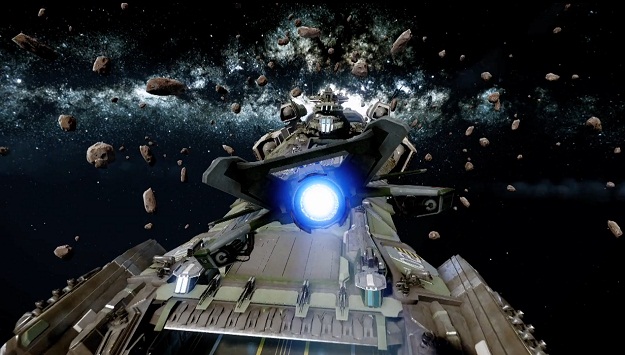 I’m really focusing on trying to figure out how I can get people to play together, whether it’s cooperative, player versus player, or any of those kinds of things. I want to try and fold that into an experience too. I want to make the part in space feel as tactile and real as possible. You can fly bigger ships, and you can walk around inside the corridor and sit in the cockpit and fly it, or run a turret while you’re flying in space. Someone else could try and take over your ship by boarding you, and you would have to fight them off. There’s a level of fidelity that hasn’t been done in this kind of game before. I think that will be an experience people will really respond to.
How open will this game experience be?
The game’s going to be incredibly open, so you’ll be able to go wherever you want. If you want to be a merchant, you can be a merchant. If you want to be an explorer, you can be explorer. If you want to be a pirate, you can be a pirate. If you want to be a bounty hunter, you can be a bounty hunter. And then inside that, if you want to have a more single-player experience you can do the Squadron 42 campaign, and there will be some other opportunities to do single-player style games.
So for me it’s trying to be a combination between multiplayer and single player in the same way – I mention Demon Souls a lot, but I really did like it and they did a nice job of primarily being a single-player game. But they had these elements that introduced multiplayer too and it was a nice hybrid. I’m looking at trying to do more stuff and push it from there, but I think it will be a world that people can venture around and have a great time in, hopefully for a long time.


