1. Home
  2. Emerging Tech
  3. Audio / Video
  4. Music
  5. Legacy Archives

Bloc Party singer releasing 3D printed record using latest tech

Add as a preferred source on Google

We’ve seen nascent 3D printing technology produce all kinds of products: sunglasses, figurines and even pizzas. You can now add physical music releases to the list, as Bloc Party lead singer Kele Okereke has announced plans to bring out a 3D printed record in time for Christmas.

It’s all possible thanks to the high-definition top-of-the-line 3D printers now entering the market. Instructables software engineer Amanda Ghassaei has used a Stratasys 3D printer at Autodesk’s Pier 9 makerspace to create Nirvana and Pixies tracks, as GigaOm reports. After posting details of her work online, Ghassaei has attracted international attention, and Okereke’s charity single will be the first official full-length track to use the technology.

Recommended Videos

Ghassaei has also been experimenting with using laser cutters to duplicate the same 3D printed records in wood, vinyl and even paper. She says the process is simple enough for anyone to follow, though you’re going to need access to a top-of-the-range 3D printer. As a result, it’ll be some time before people can print their own records at home.

The process creates wider, deeper grooves than traditional vinyl records, which means the technology is only capable of producing mono tracks for the time being. Still, it’s early stages, and the capabilities of 3D printers will only improve in the years ahead.

Okereke’s Down Boy, recorded with singer Bobbie Gordon, will be sold in London as a one-off across the weekend of December 13-14. Proceeds from the sale are going to British music therapy charity Nordoff Robbins, and the record will be sold with a choice of four designer sleeves.


David Nield
Former Contributor
Dave is a freelance journalist from Manchester in the north-west of England. He's been writing about technology since the…
Yet another study says AI is bad for elections, and the rabbit hole gets worse
AI may be an election bomb waiting for someone to light the fuse
Voters cast their ballots on Election Day

Another election, another study has concluded that asking an AI chatbot for political guidance is a spectacularly bad idea. Research conducted during Hungary’s 2026 parliamentary election found that ChatGPT and Google Gemini offered not just inaccurate but also inconsistent and unreliable voting advice. The chatbots misclassified voter profiles, overlooked relevant parties, recommended parties absent from the ballot, and sometimes produced materially different answers when given the same information repeatedly.

AI keeps failing the voter test

Read more
Samsung’s humanoid robot ambitions are real, but factories come first
Samsung’s new robotics division has humanoids in its sights, although its immediate business is far more practical factory automation
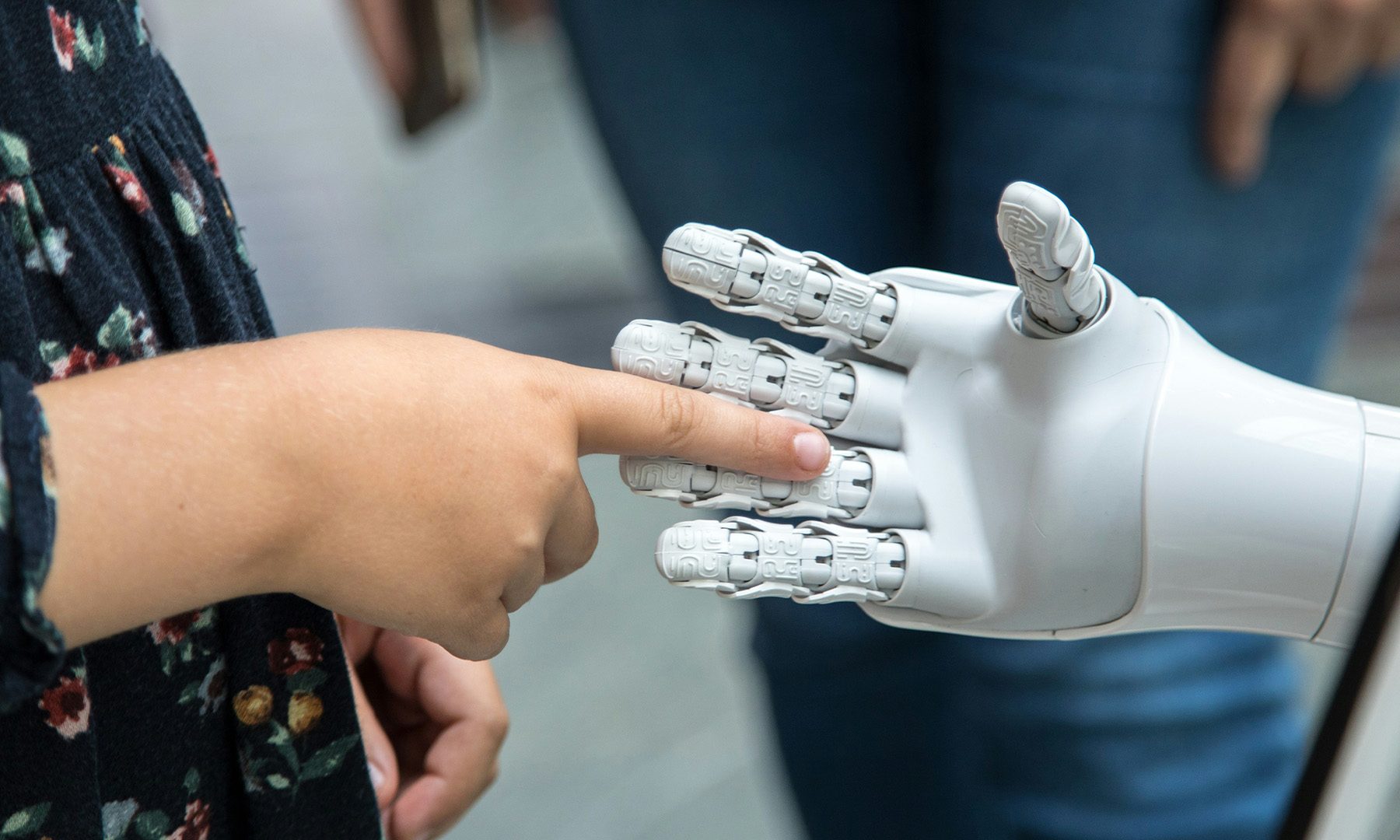
Robot Touch Human Finger

Samsung wants a place in the humanoid race, but its new robotics push begins with machines built for factories rather than homes.

The CEO-led RX robotics division will initially focus on manufacturing robots. Samsung has separately identified humanoids as a priority, although it hasn’t announced a commercial model or explained where one fits into the division’s immediate plans.

Read more
The future of AI may depend on this one behind-the-scenes change
Running Claude on Android.

Whenever a new AI model arrives, it's easy to get caught up in the bells and whistles. We talk about how much smarter it is, how quickly it answers questions, or how realistic its images have become. But here's the thing: none of that matters much if the AI can't reliably work with the apps and services people use every day.

That's why an upcoming update to the Model Context Protocol (MCP) caught my attention. It isn't a new chatbot or a fancy AI model. In fact, most people will never even know it's happening. But it could quietly make the AI ecosystem a lot healthier. If you've never heard of MCP before, don't worry. Think of it as a shared language that lets AI assistants safely talk to apps like Gmail, Slack, calendars, databases, and countless other services. Instead of every company inventing its own way to make those connections, MCP gives everyone a common rulebook.

Read more