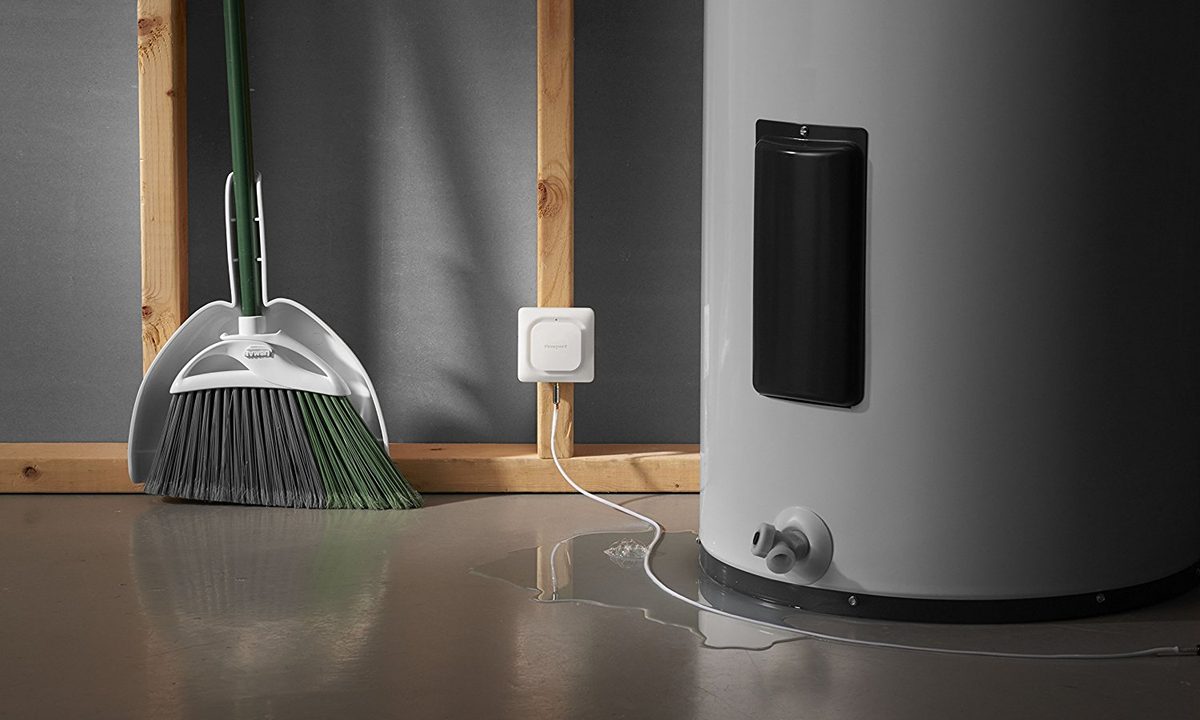
Water can cause a lot of damage to your home. Keep it in the sinks and pipes, and it does fine. Once it gets on the floor, in the walls, or through the insulation, it starts to cause rot, ruin valuable materials, and attract pests. That is why you should consider equipping leak-prone areas of your house/apartment with a smart leak sensor. These little smart home devices are an affordable way to detect and warn you about leaks before they cause any damage. Let's go through the best water leak protectors.
Note: Some water leak detectors say "freeze" and leak detector. This claim doesn't always mean that they do anything extra (always double-check the details), but it's usually an indication that temperature monitoring is also included. This feature is valuable if, for instance, a winter storm comes in and freezes your pipes, causing them to crack and create major flooding. The detector can alert you about low temperatures, so you can prevent this from happening.



No smart hub necessary
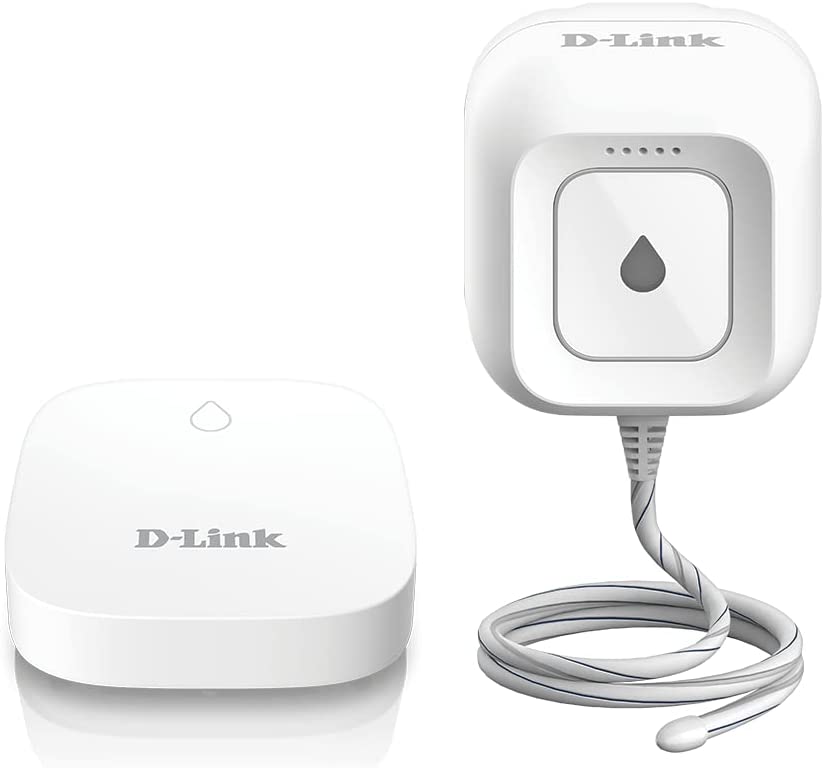
D-Link Wi-Fi Water Leak Sensor and Alarm
- An outlet and a wireless sensor combined
- Alarm, lights, and notifications
- Can easily expand to multiple sensors
- A bit more complicated than some detectors
D-Link's sensor doesn't require a hub to use, just a nearby outlet plus its 1.5-foot water-sensing cable that you can snake around the area to make sure it can detect leaks that are in a much wider radius. It pairs with a wireless leak sensor that you can place in much harder-to-reach spots, providing all the coverage you want. When triggered, the sensor can shoot an alert to your phone, activate an LED strobe light, and sound off an alarm to make absolutely sure you know there's a problem.
The sensor uses two AA batteries, and is efficient enough for it to last for up to five years without needing a replacement. It's also a good pick for office buildings or similar spots, since it can support up to 15 remote sensors with just one plug-in hub.

Lots of placement flexibility
Roost Smart Water and Freeze Detector
- Simple to use
- 4-foot sensing cable
- Compact design
- Limited features
The Roost solution is a simple, cordless little oval that you put in locations where you are afraid of rising water. When both its sensor nodes detect water, it sounds and alerts your phone via your Wi-Fi network. It's also cordless, which is really nice when it comes to placing the sensor in out-of-the-way locations like the attic or basement. The device will also keep a watch for humidity and temperature changes: You can take a look at these ongoing levels and any notable changes with the app. However, there is a caveat -- the Roost device cannot be completely covered with water, or it will fail.

Fun design
Leak Bug
- Very affordable
- Cute design
- Low battery warning
- No mobile or smart integration, only beeps
Looking for a cheaper, more family-friendly way to measure leaks in the house? Leak Bug has your back. This little bug has a friendly shape that makes it easy to place by the toilet or bathtub without surprising guests with your new leak technology. It also doesn't depend on your Wi-Fi system to work. Instead, it starts beeping loudly when it detects leaks. You won't receive any notifications if you aren't at home, but you also don't have to worry about installing yet another app. Oh, and there's a puppy version, too.

Create a leak sensor network
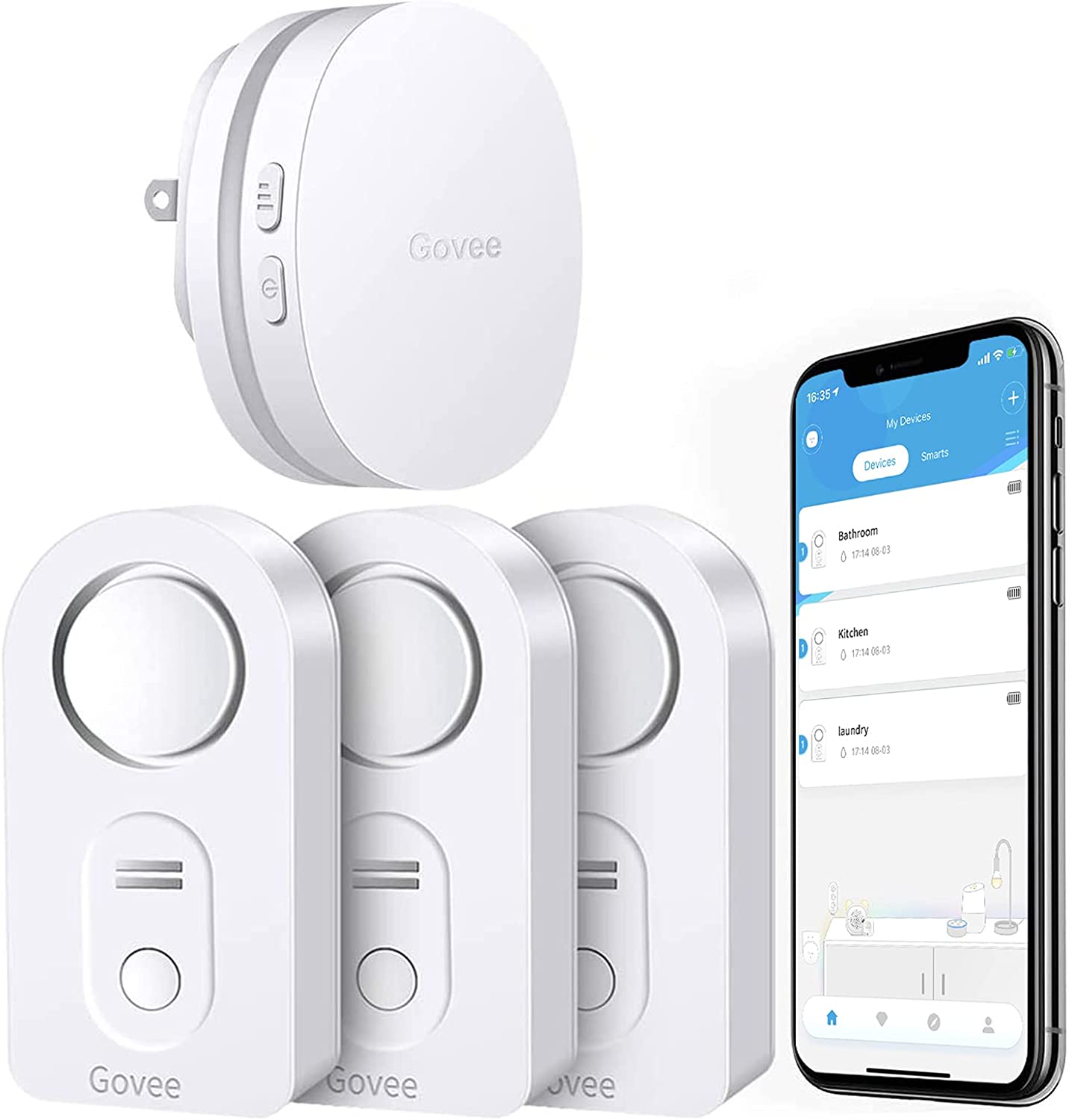
Govee WiFi Water Sensor 3-Pack
- Top and bottom sensors
- Quick setup
- Alarm-based fail-safe
- No other smart home integrations
Govee's three-pack connects to 2.4Ghz Wi-Fi via the hub and allows you to place the sensors around the house with minimal installation effort. The sensors include both top and bottom probes to detect leaks on the floor or drips coming from above (with a waterproof design so they won't be damaged). If they can't get a message out through Wi-Fi, they sound a leak alarm instead. You can check on the battery life using the app and replace them in time to avoid problems (they require two AA batteries each). You can also link up to 10 sensors at once for more coverage.

Lots of features
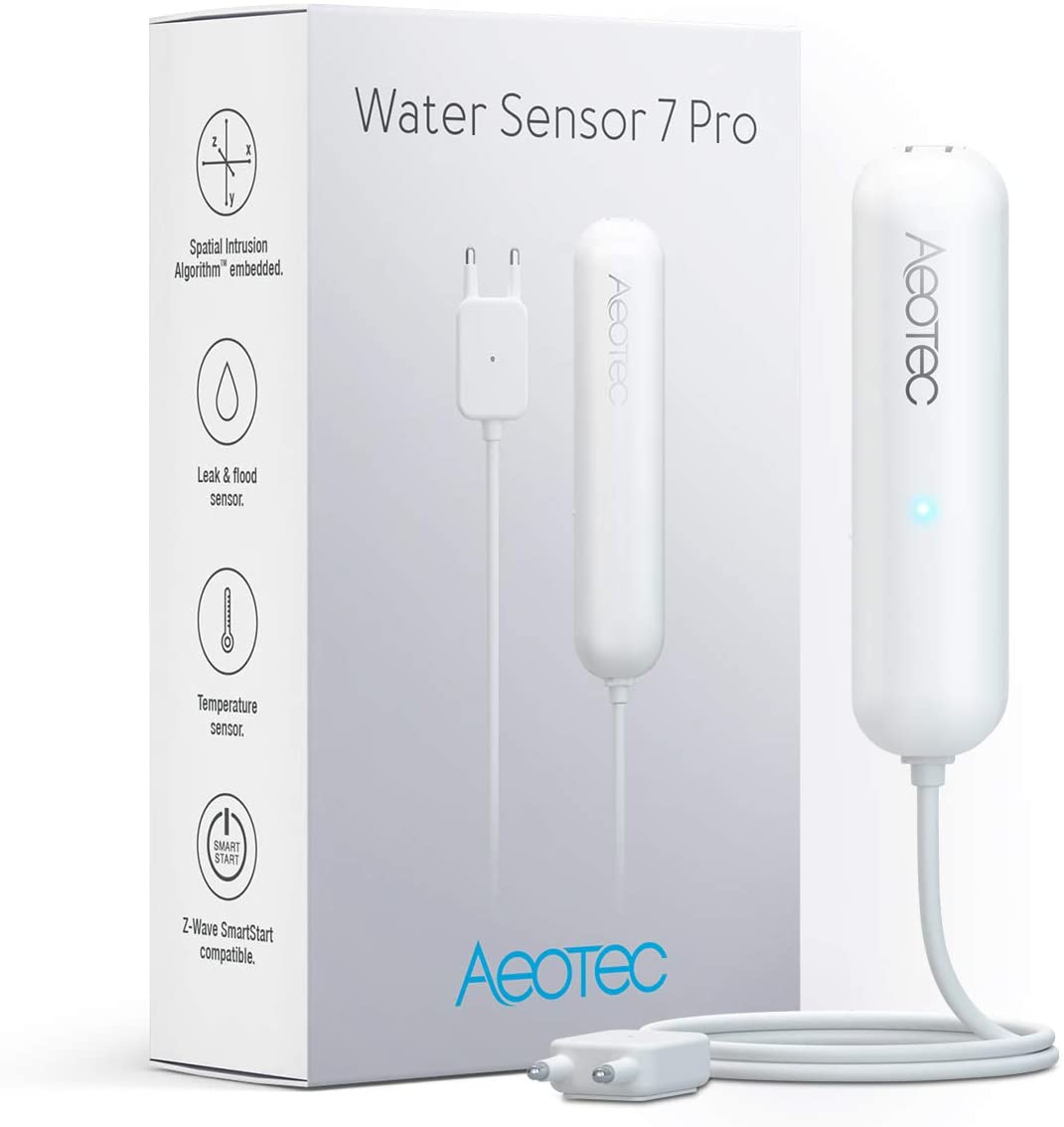
Aeotec Water Sensor 7 Pro
- 3-in-1 sensor
- Mobile notifications with optional accessories
- Easy setup
- Requires some kind of Z-Wave hub
Aeotec's model is a Z-wave device that can integrate with systems that support Z-Wave. It's one of the most comprehensive models available, able to detect not only leaks, but also temperature and humidity (making it a good pick to monitor ongoing conditions in a bathroom). The wireless sensor can last for three years without needing a battery change. You can also expand this system to include interesting features like a smart water valve that can automatically close, or sirens that will sound when it detects leaks.
Frequently Asked Questions
Sensors are the best way to find these leaks, because they are hard to detect until lots of damage has been done. A damp spot on the ceiling or floor may only occur after lots of insulation and even structural materials have been compromised.
The cheapest versions generally cost around $20. Our most expensive 3-in-1 Aeotec pick is around $50. Note: Smart home security systems often include their own leak sensors that you can add to the platform, and these units may cost less.
Typically, seeing swelling in a particular spot is the most common sign of a leak under the floor, especially with wood, laminate, or vinyl. Some types of flooring will start to turn a different color, bleaching or darkening, before the swelling begins. Always call a professional plumber to trace the true source of a leak if you aren't sure where it started.
Paint and wallpaper will start to peel. Water stains and cracks will also appear over time. Particularly bad leaks will make drywall noticeably damp, and eventually lead to mold growth and odors.