1. Home
  2. Smart Home
  3. Photo Galleries
  4. News

Big Ass Solutions' Haiku Home fan and lighting products adjust to cut energy use

Add as a preferred source on Google

Becoming more eco-friendly keeps getting easier, from making small changes like switching to rechargeable battery-powered gardening tools to bigger adjustments like growing plants on your roof. Big Ass Solutions is adding to the green movement by unveiling a new residential division, Haiku Home, and is presenting more energy-efficient products at CES 2016. The line includes connected home products used for lighting, heating, and cooling.

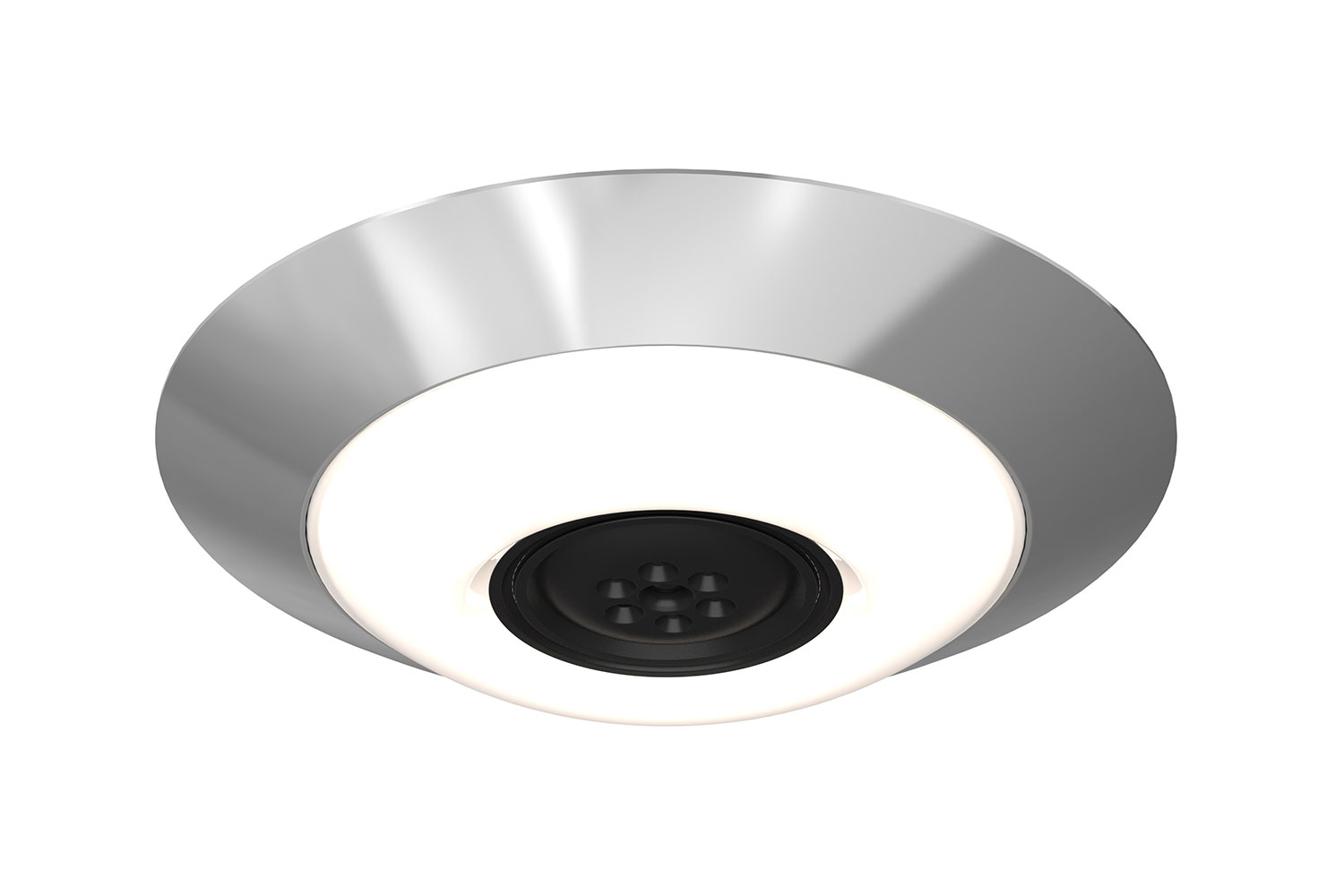
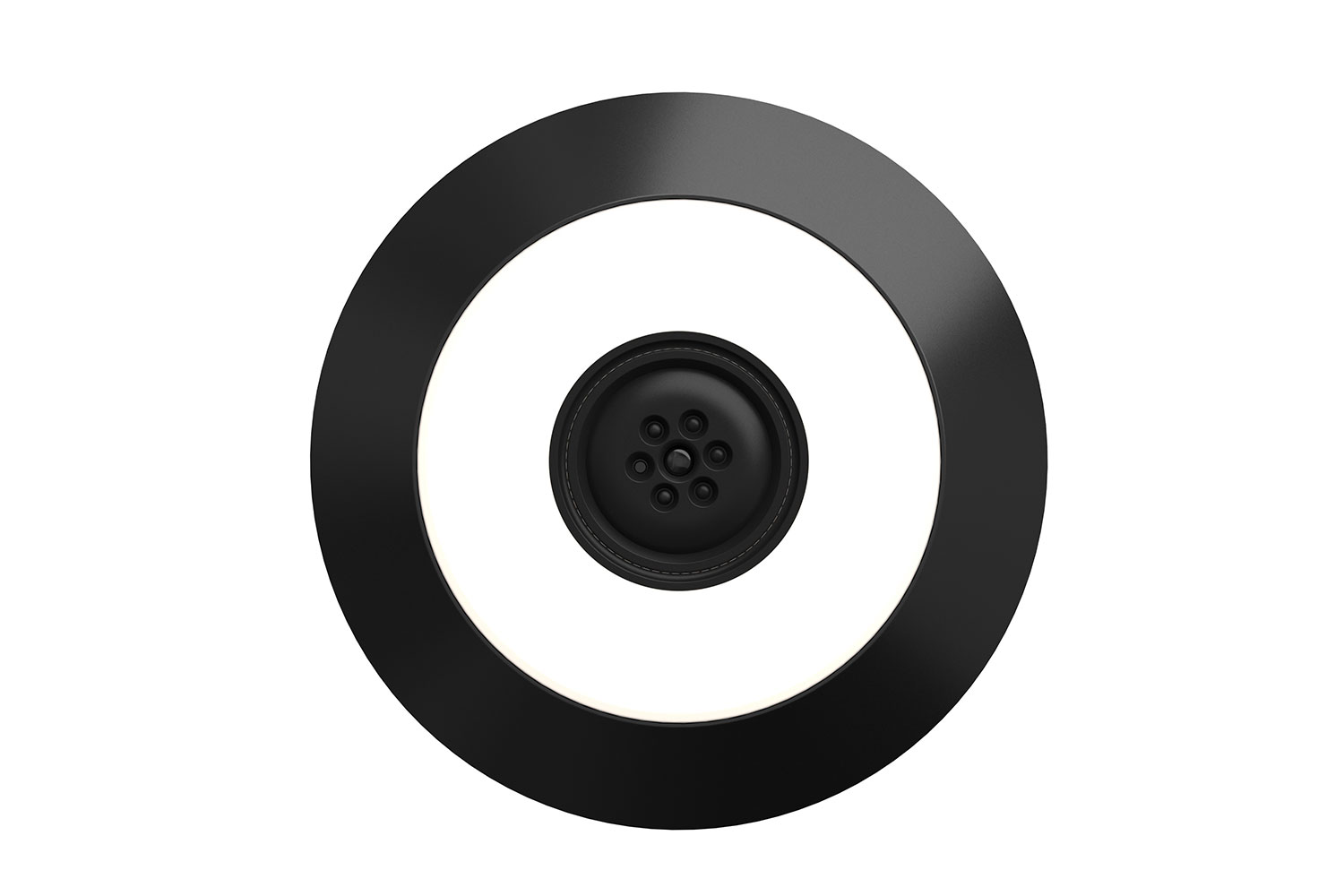
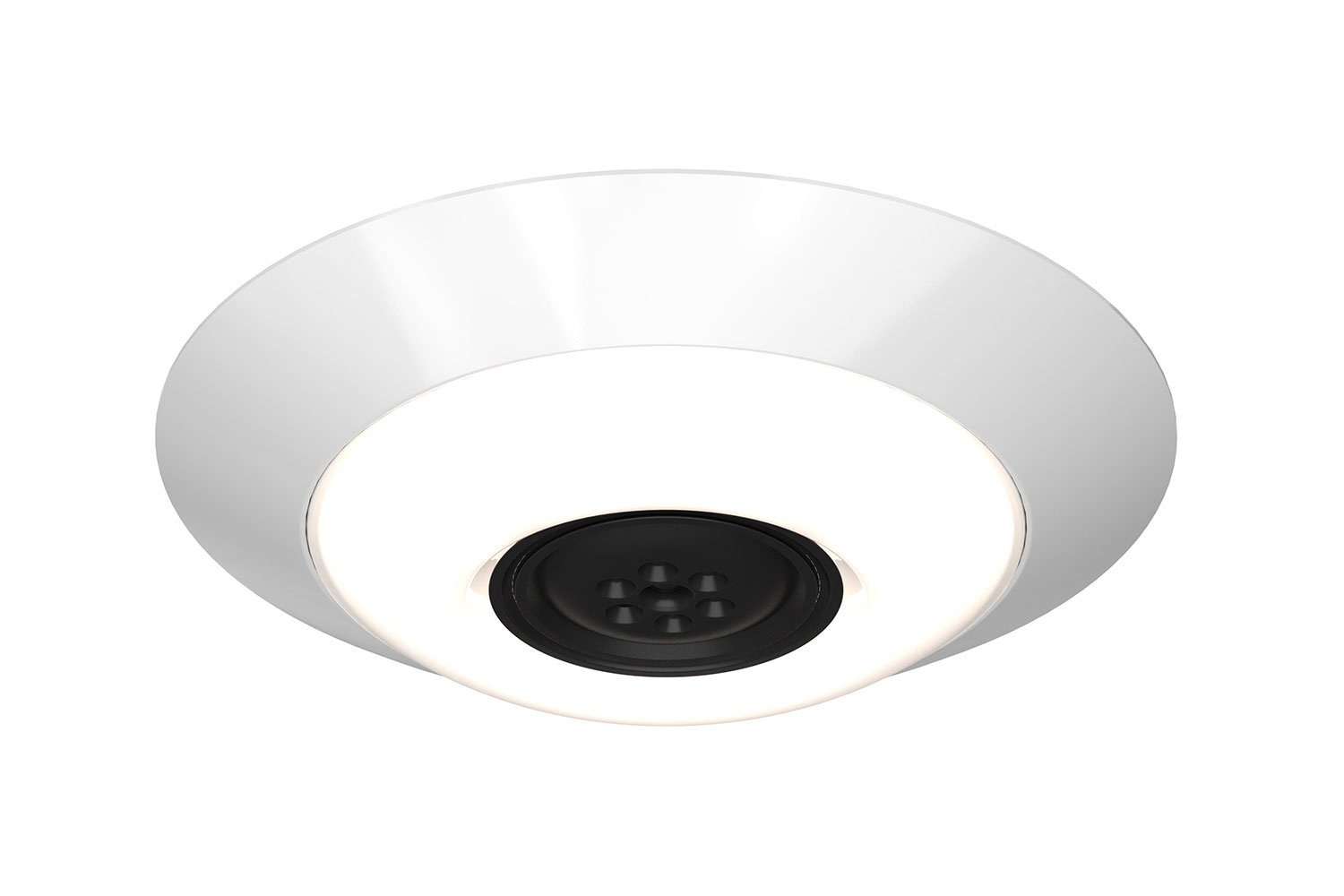
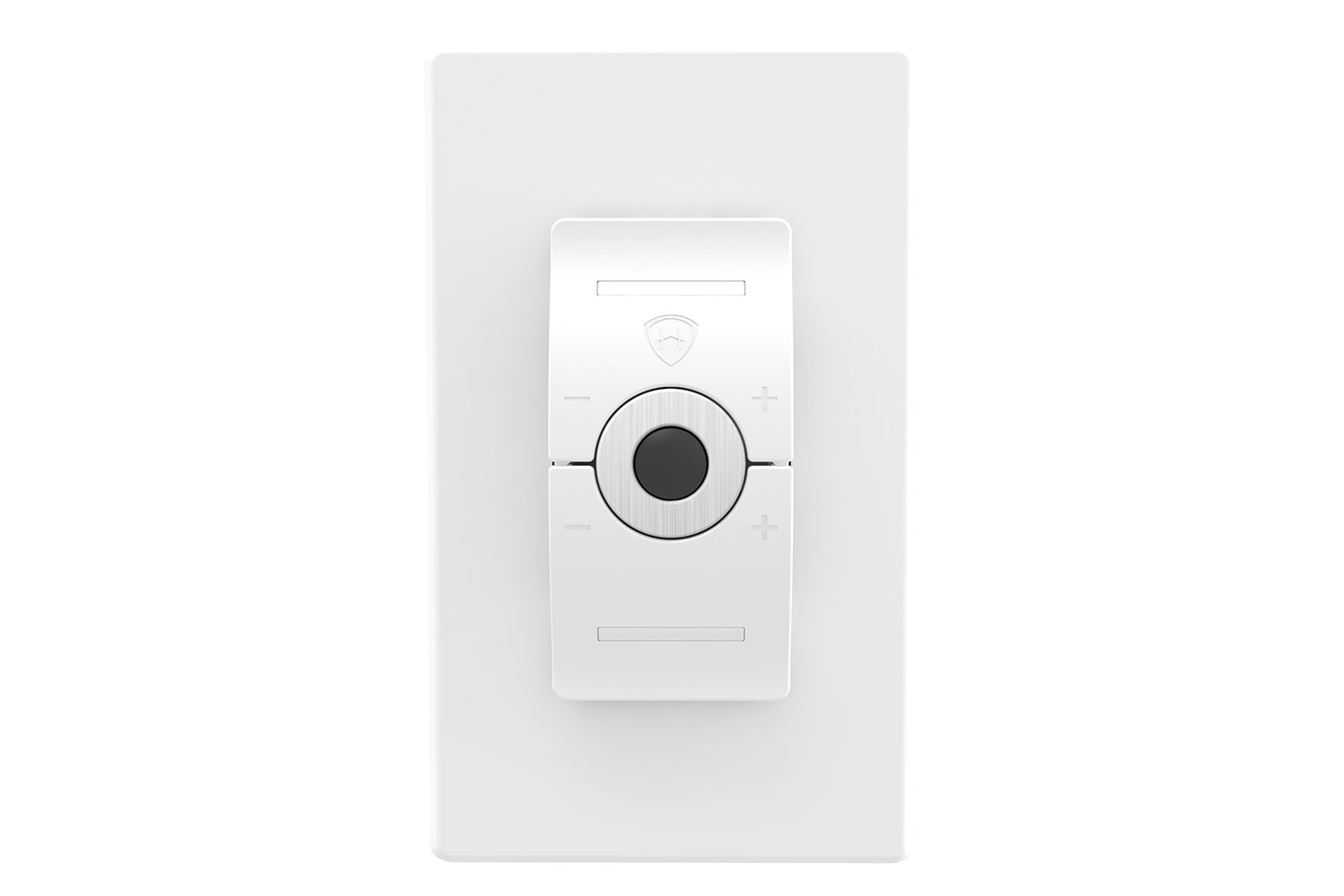
Haiku Home’s new products include the L Series Fan, Designer Series Light, and Wall Control. Each reacts to human presence, according to the company, adjusting temperatures and ambient light levels as needed. The products work individually, but they can also be grouped with others. The company is currently working on adding to the division and has announced plans to ship hundreds of thousands of units in 2016.

Haiku Wall Control enables SenseMe technology for the Haiku L Series Fan and Designer Series Light, letting users control timer and scheduling functions along with Active Light Equalization. Set to retail for $125, Wall Control is able to group and synchronize multiple Haiku products through wireless connectivity. With sensors that detect human presence, lights and fans can be turned on and off automatically, thereby reducing energy use.
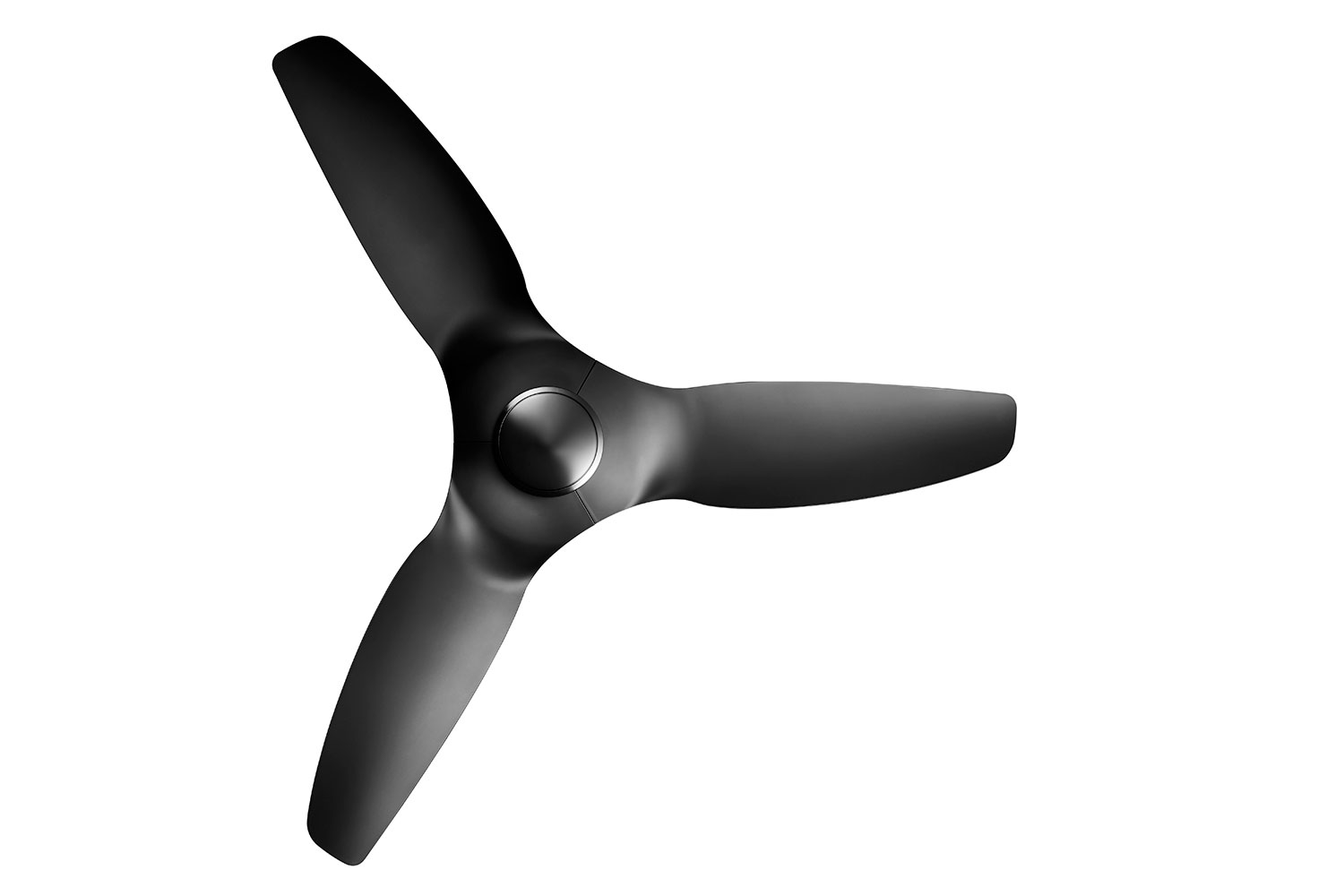
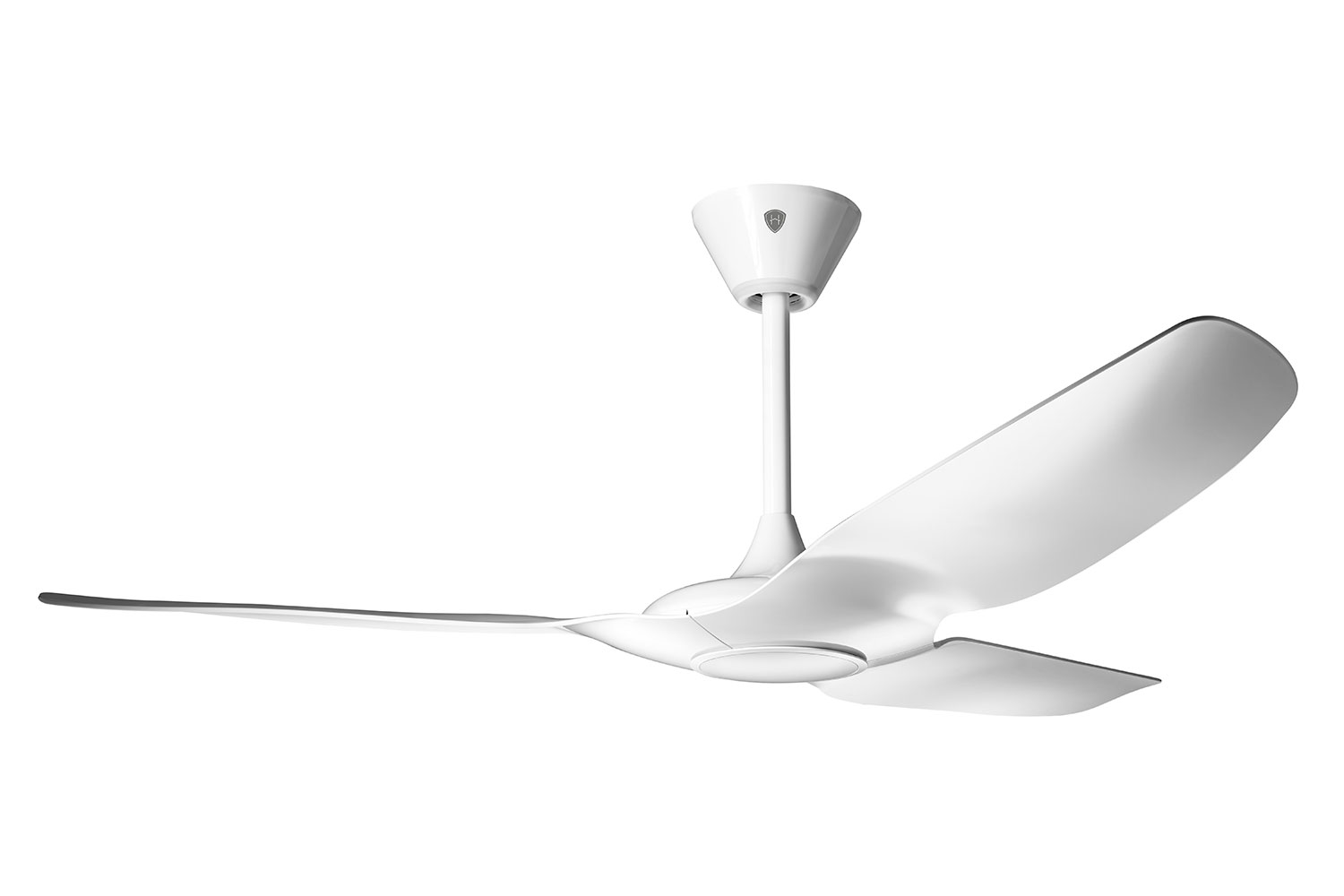
The Haiku L Series Fan, which hangs from the ceiling, will retail for $450, half the price of the company’s current models. With its built-in LED, the fan features 16 brightness settings and Energy Star-rated efficiency, plus color-temperature shifting. Meanwhile, the Haiku Designer Light Series will start at $149. When interacting with Haiku Wall Control, the lights respond to environmental conditions, and some models offer warm-to-cool color shifting.

Haiku’s L Series Fan and Wall Control are set to hit the market first, arriving in January 2016. The Haiku Designer Series Light is expected to be available starting in April, and Big Ass Solutions will look to add more to the Haiku Home division in the future.

Stephanie Topacio Long
Stephanie Topacio Long is a writer and editor whose writing interests range from business to books. She also contributes to…
My smart home experiment has reached its natural limit
Smart-home technology keeps improving, but being easier to automate doesn’t make everything worth automating
Computer, Electronics, Laptop, Smart Home

The first device I added to my smart home was a light bulb. It seemed like the safest possible place to start. I could turn it on from anywhere, put it on a schedule, and eventually work it into routines with everything else.

Then I tapped the button in the app and waited. The delay was only about half a second, but half a second is surprisingly noticeable when the alternative is a wall switch that responds immediately and has never once asked for a firmware update. Using my phone was worse. I had to unlock it, find the app, open the right room, and tap the light I could have switched on several steps earlier.

Read more
Google Home’s Interactive Storytime feature has me wondering who actually asked for this
Google Home gets interactive AI storytime, smarter alarms, and broader camera support.
Computer, Electronics, Tablet Computer

Google Home's latest update introduces several new features, including Gemini-powered Interactive Storytime. While I’m not sure who asked for the feature, it lets families build original stories about specific topics on the fly, instead of just listening to a known story. 

So what's the big new feature here?

Read more
Proxima wants to move blood tests into the home, and it has cleared an important early hurdle
The portable analyzer delivers blood-count results in about 20 minutes, but its promise depends on transparent clinical data
Furniture, Table, Desk

Algocyte’s Proxima is designed to run blood-count tests from a small finger-prick sample and send the results to a clinician in about 20 minutes. For patients who need frequent monitoring, that could mean fewer trips to a clinic or laboratory.

The device has also moved beyond the concept stage. Proxima carries UK conformity credentials, while Algocyte operates under a certified medical-device quality system. Those steps give the project more weight than a prototype shown at a launch event.

Read more