1. Home
  2. Smart Home
  3. News

Dome Alert monitors your home for fires, floods, and freezing for $9 a month

Add as a preferred source on Google

If you have a connected smoke detector, you should get an alert on your smartphone in the event of a fire. But that might not do you a lot of good if your phone’s in your pocket when you’re at work or the movies. Lots of smart leak detectors are similarly a part of the DIY home-monitoring movement that’s been all over crowdfunding sites the past few years. For some, it’s a nice alternative to paying a monthly fee for professional monitoring, but Dome Alert thinks it’s worth it to have a service that will call the fire department if your alarm starts sounding.

Unlike a lot of monitoring services, Dome Alert’s connected products wouldn’t include home security. There are no motion detectors or cameras. Instead, it’s a hub that connects its fire/carbon monoxide sensors and flood/freeze sensors and sends alerts to its app. But it also outsources the professional monitoring to a UL-certified support company, UCC.
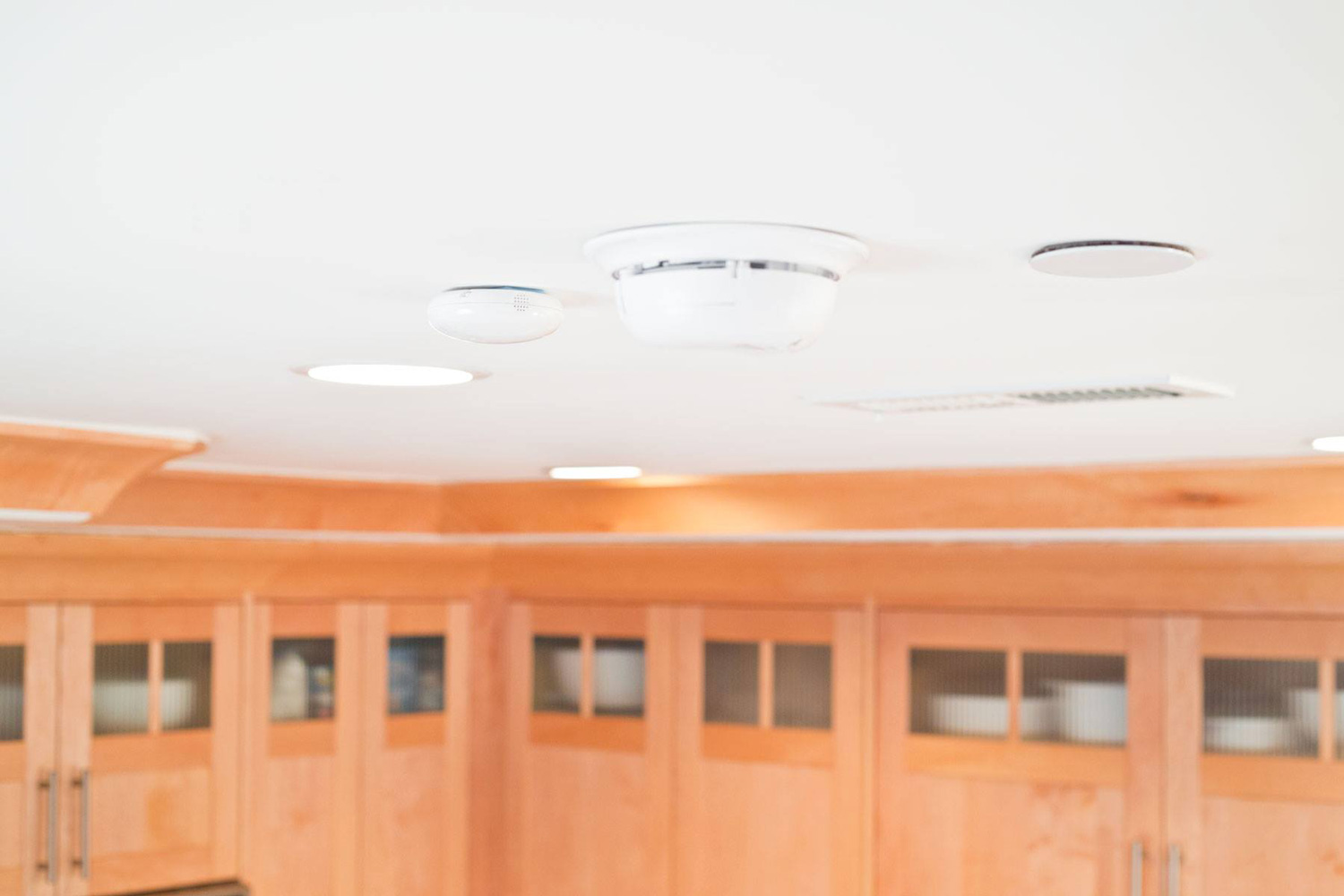
The fire/co-sensor isn’t actually a smoke or carbon monoxide detector. Instead, it detects the sound of your already installed detectors when they go off and can tell the difference between the two types of devices. If a detector goes off, you’ll get an alert on the app, and unless you mark it as a false alarm, the monitoring service will call the fire department for you.

Recommended Videos

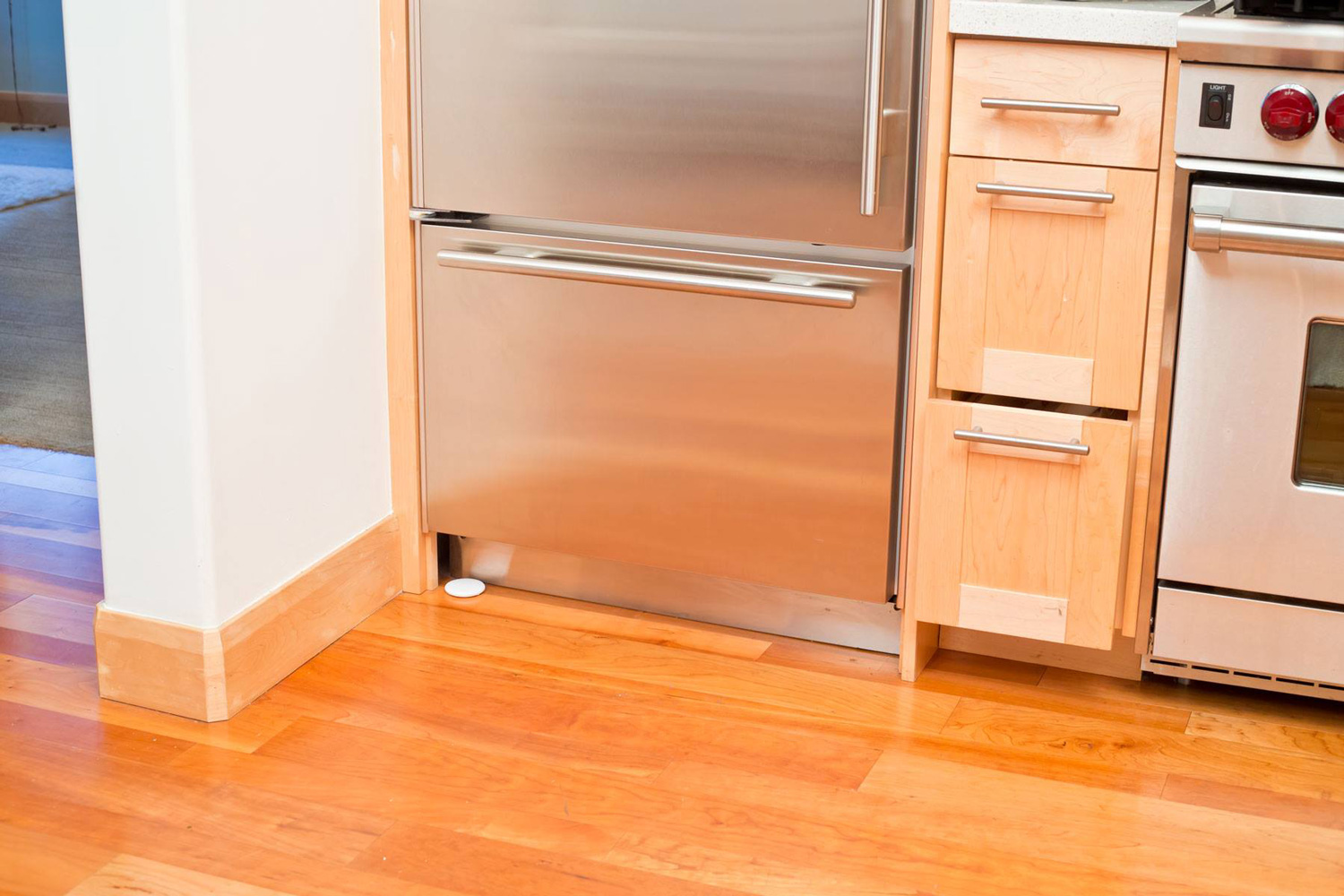
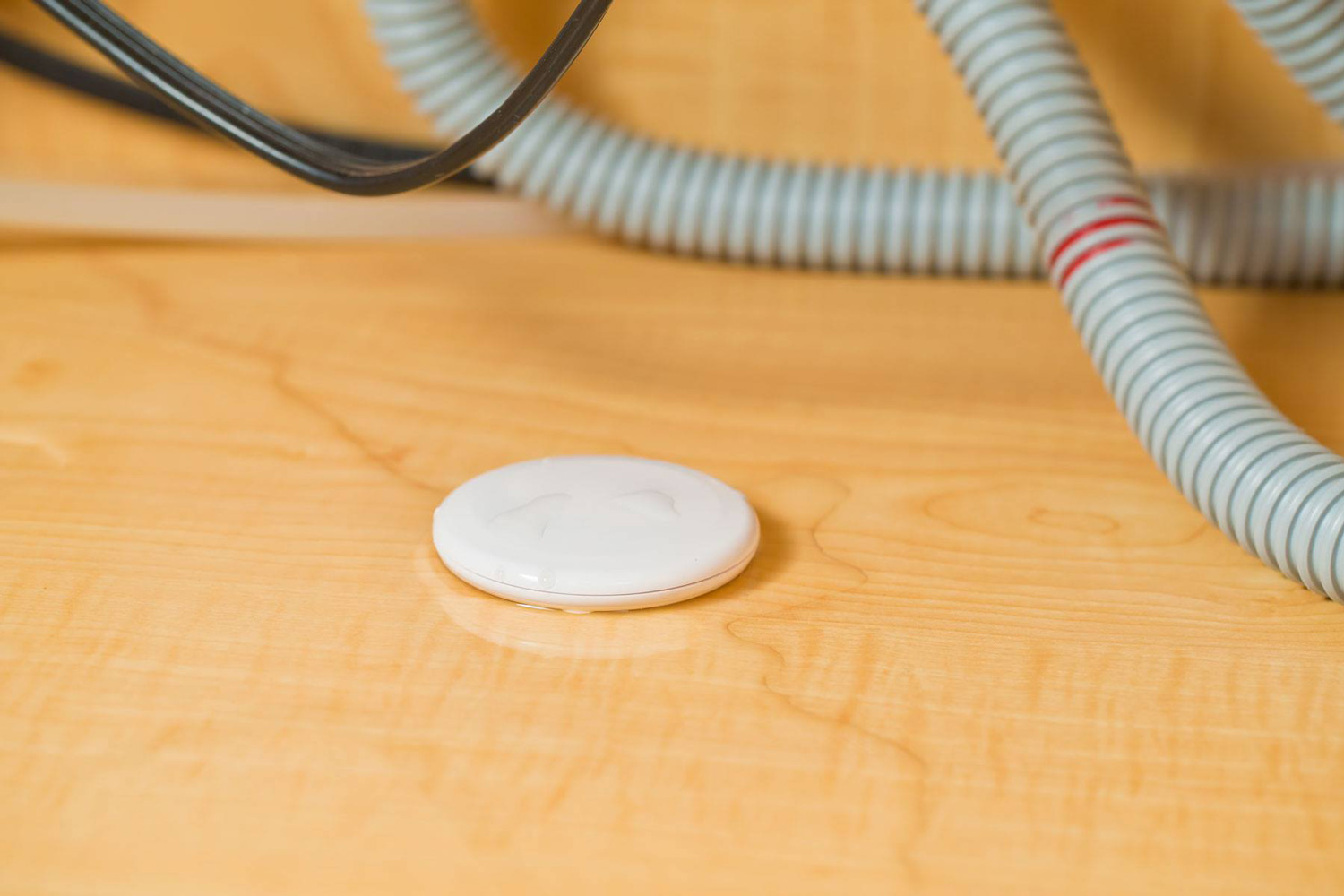
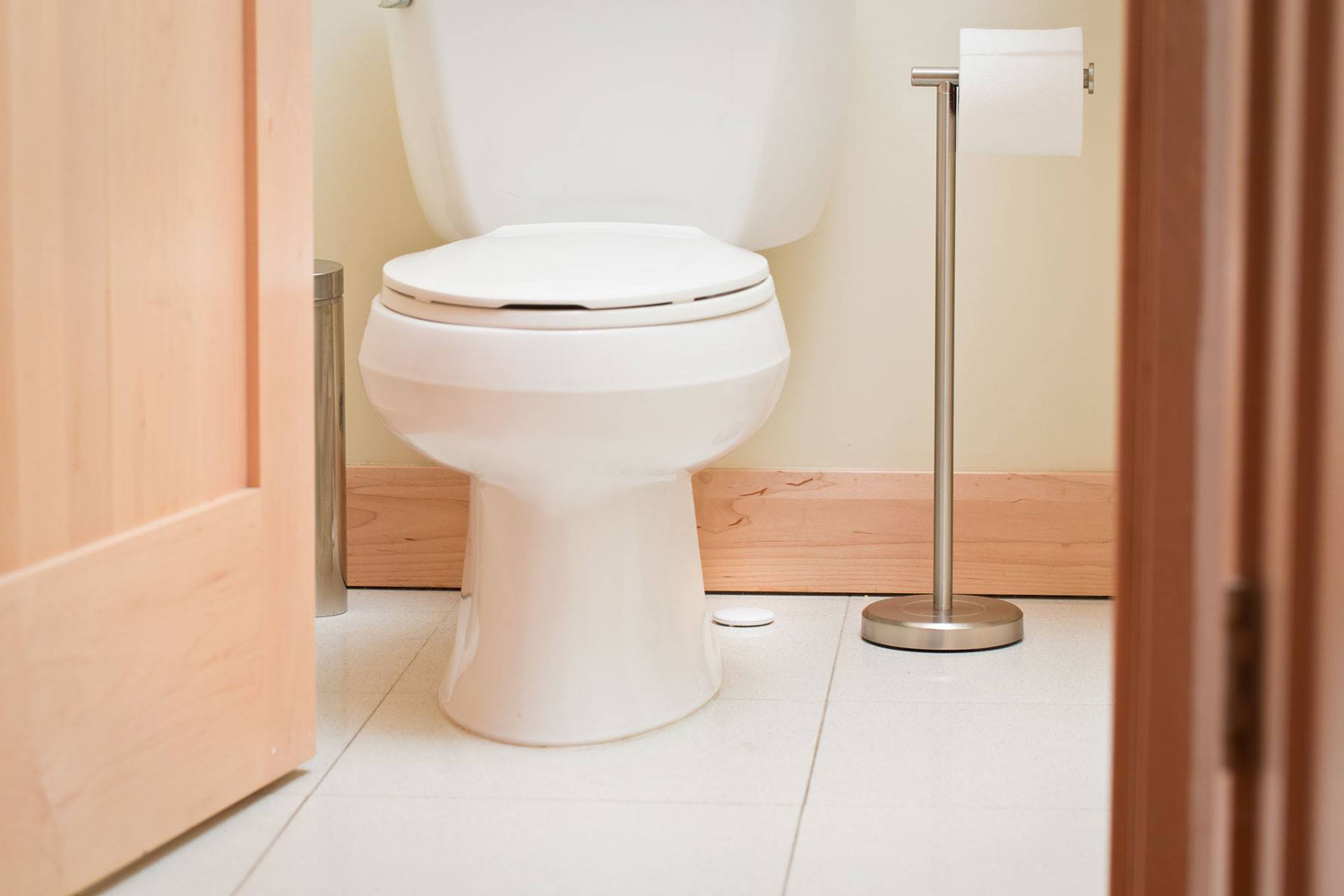
When water hits the copper nodes on the flood/freeze sensor, or its thermometer registers temperatures below 41 degrees Fahrenheit, you’ll also get an alert, and the service will call you and other approved contacts until it gets ahold of someone. Through its Kickstarter, you can secure the monthly monitoring for $9 a month. Dome Alert boasts that it’s a month-to-month service, but if you cancel the monitoring, the app is also disabled and there’s no DIY alternative.

The hub and one of each sensor are going for $99 for the early-bird special, which comes with six months of monitoring. The sensors run on batteries, which last between five and ten years, though after that you’ll have to replace the whole thing because the device is sealed. Per usual, backer beware warnings apply.

Jenny McGrath
Former Senior Writer, Home
Jenny McGrath is a senior writer at Digital Trends covering the intersection of tech and the arts and the environment. Before…
Apple is reportedly looking to expand its smart home lineup with smart displays, cameras, and updated HomePods
Apple's smart home roadmap reportedly includes new displays, cameras and HomePods
Apple HomePod with Apple iPhone

Apple appears to be preparing a much broader push into smart-home hardware, with several new products in development as the company looks to expand beyond the HomePod mini and Apple TV, according to a 9To5Mac report.

The roadmap includes refreshed versions of both existing products, a new smart-home hub with a display, a larger HomePod update, and eventually Apple's first dedicated smart-home security devices. The information comes from recent reporting summarized by 9to5Mac, which notes that Siri's long-awaited AI upgrades could remove one of the obstacles that has held back new Home products.

Read more
Lutron just made it easier to control your smart home without touching your phone
Smart home voice control usually means buying yet another speaker or hub. Lutron and Sonos found a simpler fix: use the speaker you probably already own.
Electronics, Speaker, Text

If you’ve lost count of how many remotes and apps you juggle between just to dim a light or skip a song, I have something for you. Lutron just gave its Caseta smart home lineup a new shortcut, letting you control lights, shades, and Sonos playback with your voice alone.

For anyone who is catching up, Caseta is Lutron's do-it-yourself smart lighting system. It’s built around a small hub that basically talks to switches, dimmers, and plugs over a radio signal (instead of Wi-Fi), making it easier to manage the entire setup. While the company has worked alongside Sonos for a while, voice control was the one piece still missing from that partnership. That changes now.

Read more
The best smart home gym equipment
Find the connected fitness equipment that's worth your money.
Woman boxing with FightCamp.

The average workout doesn't begin with your first rep anymore. It begins with the data you've already collected. Smartwatches track your sleep and heart rate, smart rings measure recovery, and some fitness enthusiasts even use continuous glucose monitors to better understand how their bodies respond to training and nutrition. Smart home gym equipment builds on that foundation, combining connected hardware with AI-powered coaching, adaptive resistance, and long-term progress tracking to turn health insights into smarter workouts.

Smart fitness has also grown well beyond streaming workout classes. The latest machines can automatically adjust resistance as you get stronger, analyze your performance over time, and sync with the health devices you already use. Some even use AI to recommend workouts based on your goals and training history, making every session feel more personalized. If you're still deciding whether investing in connected fitness makes sense for your lifestyle, check out our guide on whether a smart home gym is worth it.

Read more