1. Home
  2. Smart Home
  3. Legacy Archives

FTC clears Google’s $3.2B acquisition of Nest

Add as a preferred source on Google

The U.S. Federal Trade Commission has given Google its stamp of approval, clearing the way for it to purchase Nest much earlier than previously expected.

Typically, when a company files for a large merger or acquisition, it’s first subject to a 30-day waiting period. This gives the FTC and the Antitrust division of the Department of Justice a bit of time to consider whether or not the acquisition is anti-competetive, and then decide to approve or deny the transaction. Usually this process takes about a month, but the FTC has opted to grant Google an “early termination” to its review of the deal. Under the Hart-Scott-Rodino Act, the FTC can grant early termination if they see no reason to take any action during the waiting period – which it didn’t in this particular instance.

Recommended Videos

This means the deal will go through sooner than expected, which is definitely good news for Google. According to reports, Google plans to position Nest’s technology and team as its “core hardware group” moving forward.

Drew Prindle
Former Senior Editor, Features
Drew Prindle is an award-winning writer, editor, and storyteller who currently serves as Senior Features Editor for Digital…
Topics
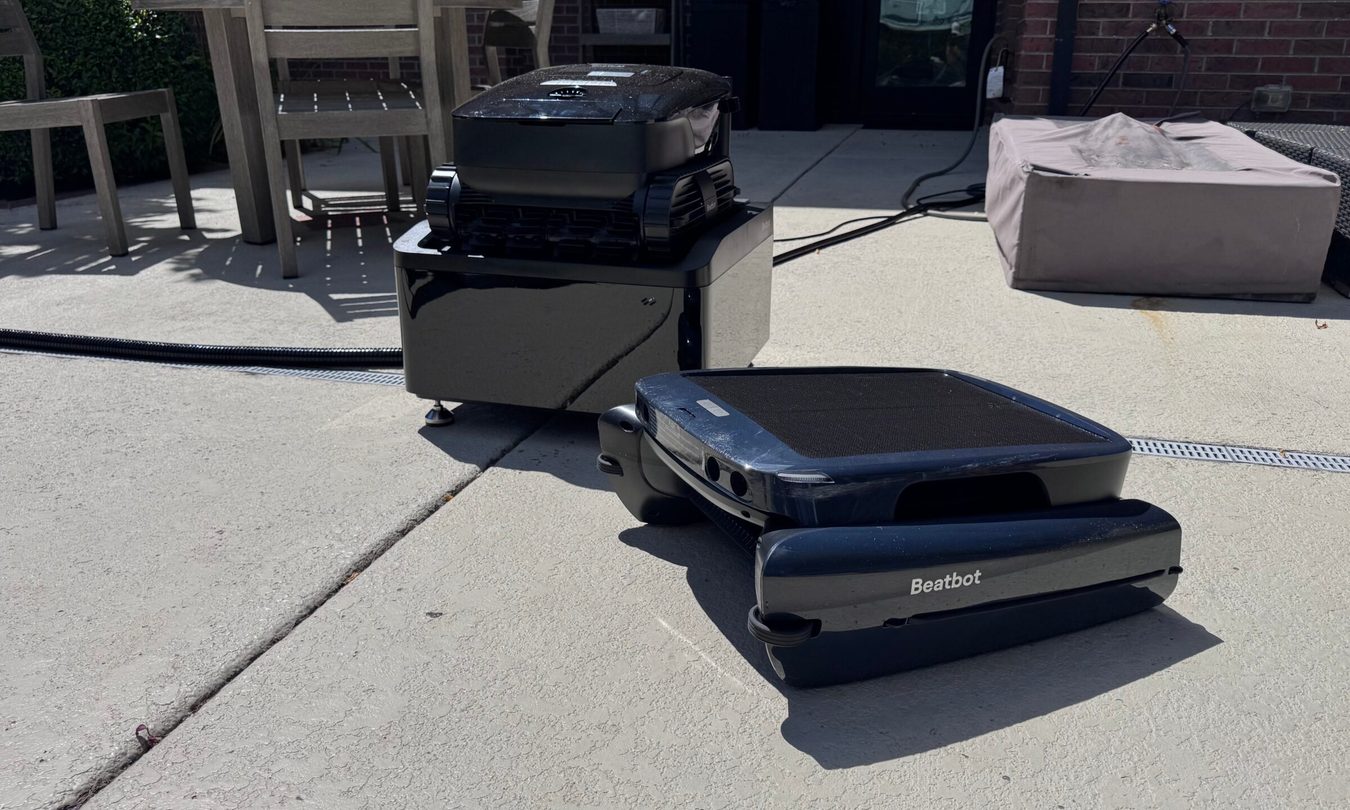
Beatbot AquaSense X review: The pool cleaner for those that want to be pampered
It's a nothing short of a self-cleaning nirvana for your pool. But as they say, nothing fine comes without a fittingly handsome fee.
Beatbot Aquasense X robot, AstroRinse station and iSkim

view at amazon

Quick take: 

Read more
An unpatched Shark vacuum flaw could put your smart home at risk
The vulnerability affects SharkNinja robot vacuums and stems from a misconfigured cloud security policy rather than a firmware bug.
Shark RV2320S Matrix Self-Emptying Robot Vacuum Featured

Robot vacuums are supposed to clean the house. Turns out this one was mapping it for strangers. Security researchers have disclosed a critical vulnerability affecting SharkNinja's cloud-connected robot vacuums that could allow attackers to remotely access sensitive information, including live camera feeds, home maps, Wi-Fi passwords, and even execute commands on affected devices. More concerningly, the issue reportedly remains unpatched despite being responsibly disclosed to SharkNinja months ago.

How can a vacuum become a spy?

Read more
Google Home Speaker (2026) review: Smarter and punchier, with a subscription pinch
Google's latest smart speaker pairs Gemini with better sound and deeper smart home integration. What's not to love without spending over a $100?
Sphere, Body Part, Finger

View at Amazon

Quick Recap

Read more