1. Home
  2. Smart Home
  3. Emerging Tech
  4. Legacy Archives

Withings Aura will wake you up with science

Add as a preferred source on Google

Despite the fact that wake-up lights aren’t exactly a new thing, Withings has taken the concept to a whole new level with Aura, the latest addition to its growing line of health-tracking connected gadgets.

What makes it different you ask? Sensors. Lots of sensors. Unlike Philips’ wake up light (which is really the only noteworthy light on the market at the moment), Aura is equipped with a sensor pad that slips under your pillow top or tempurpedic mattress topper. Using finely-tuned algorithms, the pad can collect data on the sleeping habits of one or two people, apparently with far better accuracy than smartph0ne, or wristband-based sleep tracking methods. It picks up on “micromovements” which, according to Withings, are far more subtle than the simple tossing and turning that most fitness trackers use, and can even detect your breathing cycles and heart rate. This detailed data gives much deeper insight into the nature and quality of your sleep.

Recommended Videos

And that’s only half of it. Using all this uber-specific data form the pad under your mattress, Aura can dynamically adjust the alarm unit to wake you up more gently when you’re at the lighter part of your sleep cycle, rather than abruptly during a specific time.

It’s also worth noting that since Aura is a wake-up light, it’s equipped with a color-changing lightbulb that helps ease you awake. It’s been scientifically proven that when certain wavelengths of light hit your eyes, your brain temporarily halts the production of melatonin, the chemical that causes you to feel sleepy when you’re in dark places. Even just a small amount of light bleeding through your closed eyelids can provide a significant energy boost in the morning and make getting out of bed less of a struggle.

Aura can be used in combination with Withings’ existing suite of health products to provide a more complete picture of your overall health and the company says it’s aiming to ship the device starting in spring, 2014. The entire kit, including one sensor pad and one nightstand speaker/light will cost $299. That’s steep compared to the Philips wake-up light at $99, but considering this is the first product to combine sophisticated sleep tracking with lights, it might be worth it if you have trouble waking up in the morning.

Find out more here.

Drew Prindle
Former Senior Editor, Features
Drew Prindle is an award-winning writer, editor, and storyteller who currently serves as Senior Features Editor for Digital…
Apple’s long-delayed smart home plans may finally start to take shape this fall
Bloomberg says Apple's long-awaited home hub, along with updated Apple TV and HomePod mini models, could roll out over the coming months.
An Apple HomePod 2023 on a media stand.

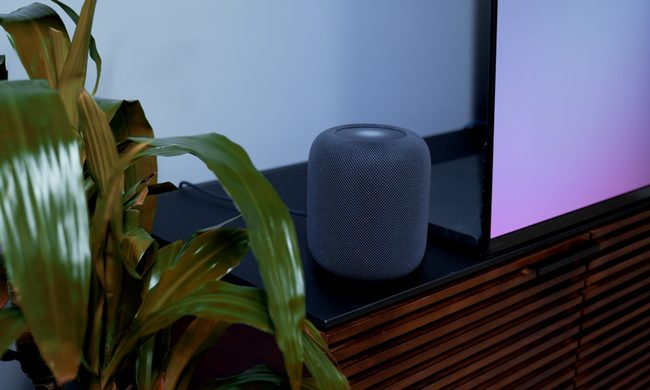
Apple's long-rumored smart home ambitions may finally be ready for prime time. According to Bloomberg's Mark Gurman, Apple is preparing to launch three new home products over the coming months, including a Siri AI-powered smart home hub, a refreshed Apple TV 4K, and an updated HomePod mini. The report pegs the Apple TV and HomePod mini for release this fall, while the new smart home hub is expected to arrive sometime "between October and early next year".

The wait for Apple's AI-powered home may be over soon

Read more
Top Smart Home Upgrades Worth Making Before Your Summer Break
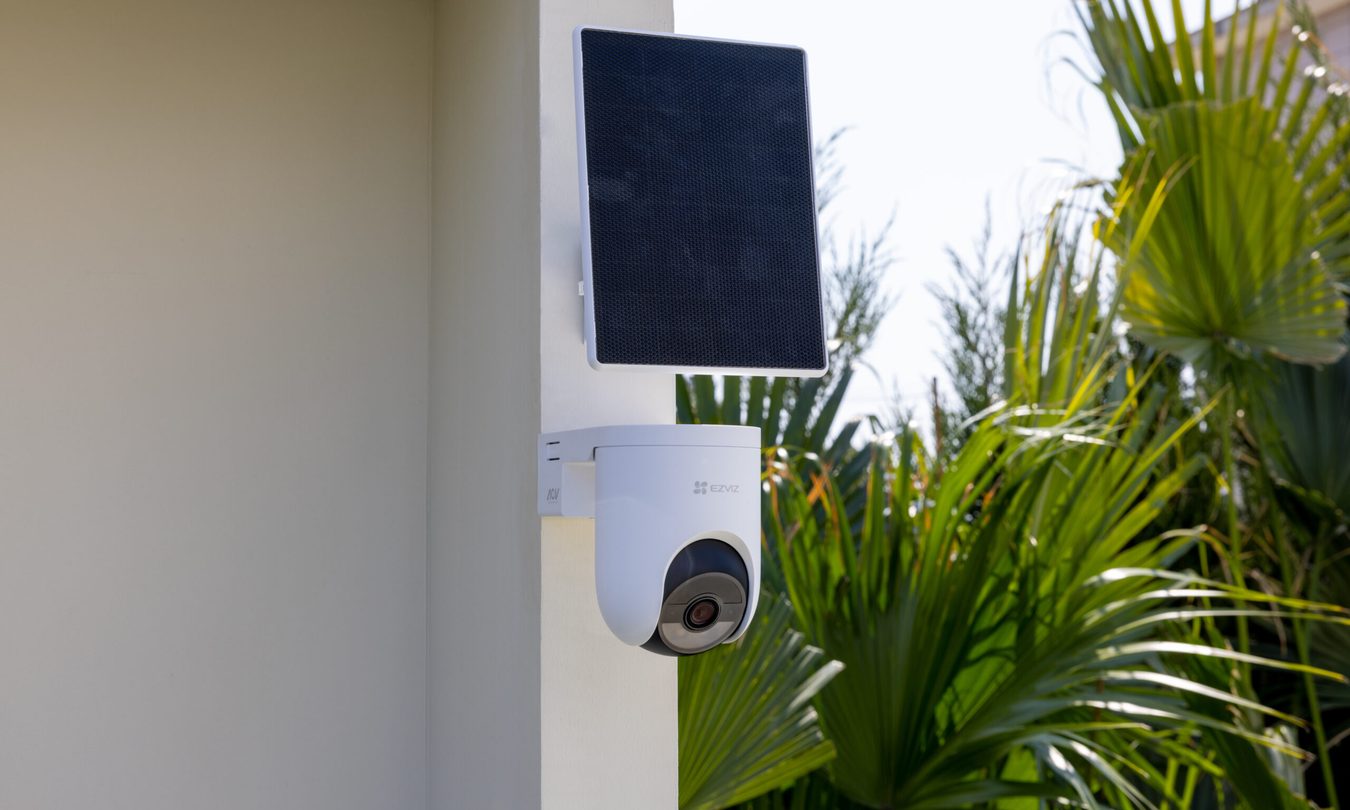
From outdoor monitoring to smarter front-door security, these EZVIZ devices combine smart protection with daily convenience
Person, Security, Electronics

Summer often brings a welcome change of routine for homeowners across Europe. Family holidays, weekend getaways, and longer days spent outdoors mean more time away and fewer opportunities to stay connected to what's happening back at the property. While it's a season for slowing down and enjoying the warmer months, everyday responsibilities don't simply pause. Deliveries still arrive, visitors may stop by unexpectedly, and trusted family members, cleaners, or pet sitters may occasionally need access while you're away.

Modern smart home technology makes those situations easier to manage. Today's connected devices can do far more than record footage or send motion alerts. They can help homeowners monitor outdoor spaces around the clock, stay informed about important activity, communicate with visitors remotely, and manage entry without needing to be physically present. Instead of constantly checking in or wondering whether everything is running smoothly back home, the right setup can provide greater visibility, convenience, and peace of mind throughout the season.

Read more
EZVIZ Sets a New Benchmark for Battery Powered Home Surveillance
Because every property deserves protection without compromise
Person, Security, Tape

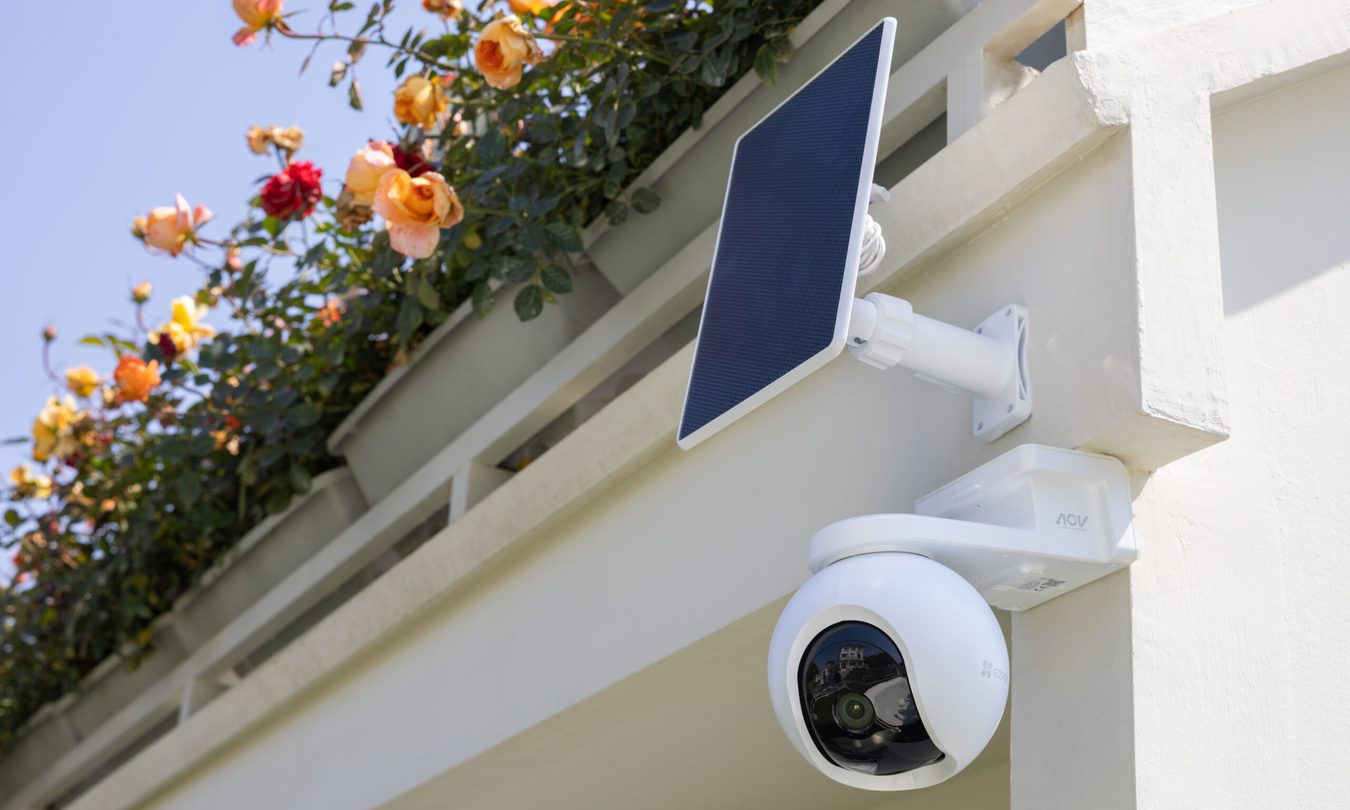
Battery-powered smart cameras have become one of the fastest-growing categories in home monitoring. Once valued primarily for their seamless installation, today's models combine advanced visual technology, AI-powered intelligence, and dependable long-term performance that rivals many traditional wired systems. As innovations such as Always On Video 2.0 and solar charging continue to improve everyday usability, battery cameras are becoming the preferred choice for homeowners seeking flexible, comprehensive outdoor protection.

This shift has also raised expectations. Modern users want more than clear video. They expect smart detection, reliable monitoring, seamless smart home integration, and solutions that adapt to different property sizes and lifestyles. As one of the world's leading smart home camera brands, EZVIZ has responded by building one of the industry's most comprehensive portfolios of battery-powered cameras. The lineup is designed to serve every living situation, whether for renters or owners of apartments, condominiums, or villas. From accessible options for everyday monitoring to advanced multi-lens systems for larger and more demanding environments, the portfolio reflects a strong focus on innovation, user-centric design, and real-world needs.

Read more