  1. Home
  2. Mobile
  3. Emerging Tech
  4. Photography
  5. Legacy Archives

Lytro-like camera tech takes a step closer to appearing in smartphones

Add as a preferred source on Google

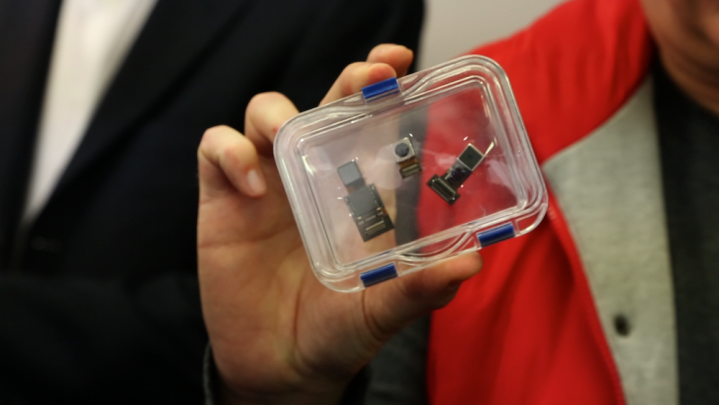
At Mobile World Congress this year, we had a good look at something called the Mems|cam from DigitalOptics, which is best described as a camera module which will bring Lytro-like focusing abilities to your smartphone. We got some hands-on time with a few working prototypes and were suitably impressed, particularly by the variable fields of focus and the lightning fast face recognition software, but there was no word on when we’d see one inside a phone we could buy.

However, this week DigitalOptics has signed a deal which could see a Mems|cam-equipped smartphone take a step closer to becoming a reality, as the firm has announced Lite-On Technology will start producing its camera modules later this year, with a view to switching to high volume runs next year.
Recommended Videos

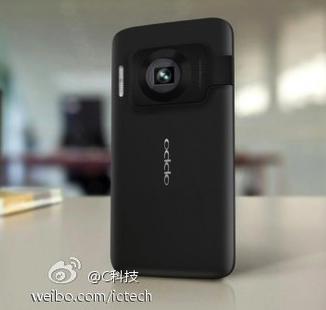
Oppo N-Lens N1 LeakLite-On isn’t the first name that springs to mind when you think about smartphone hardware manufacturing, and while the company is best known for its Blu-ray players and CD-ROM drives, it’s also the largest supplier of camera modules in China, and sits third globally. According to a Forbes article on the subject, Lite-On supplies Sony, Nokia, ZTE, Huawei and several other manufacturers based in China. One is Oppo, which we were told at MWC was interested in DigitalOptics’ technology.

Interestingly, this comes after a new Oppo phone named the N-Lens N1 was leaked. It’s believed to be the company’s first attempt at a true camera phone, a market niche which has seen a resurgence after the announcement of the Lumia 1020 and the Galaxy S4 Zoom. The rumor puts the N-Lens’ camera at 12-megapixels, which is within DigitalOptics’ guidelines, and says it’ll be joined by a xenon flash and a new imaging chip called OWL. Is all this connected to the Mems|cam? We don’t know yet, but it’s certainly an intriguing coincidence.

Andy Boxall
Andy has written about mobile technology for almost a decade. From 2G to 5G and smartphone to smartwatch, Andy knows tech.
The best note-taking apps for iOS and Android
I tested these apps for months so your notes never have to switch homes again.
iPhone showing note-taking apps

Choosing a note-taking app is not easy. What note-taking app you choose depends on your needs, the platform you use, and of course, the cost. The process becomes even more complicated as it seems that there’s a new shiny app released every other week. 

That’s why I always suggest choosing a note-taking app that has all the features you need and can last you for a long time. Also, don’t chase new apps. The real power of a note-taking app comes when all your notes live in one place, making it easy to spot connections between them.

Read more
The best phones in 2026: our 14 favorite smartphones right now
We tested phones across all price brackets so that you can make the best pick based on your needs and budget.
Google Pixel 10 Pro Fold vs Galaxy Z Fold 7 cameras

Choosing the right smartphone in 2026 is no easy task. Apple and Android manufacturers now have strong options at almost every price, while better cameras, longer battery life, improved software support, new AI features, and more refined foldable designs have made the market more competitive than ever. But picking one is not easy, especially if your budget is tight, or you are just legitimately concerned about getting the best value for your money and need a reliable daily driver for long-term usage.

We have tested and compared the leading smartphones available today, looking beyond the spec sheet to see how they actually perform in daily use. Camera quality, battery life, performance, display quality, software, design, and long-term value all play a part in our recommendations. Whether you are looking for a powerful flagship, a dependable budget phone, a compact device, or a foldable, this guide should help narrow down your choices.

Read more
Snapchat Planets Meaning: Order, Rankings, and How Friend Solar System Works
Snapchat Planets turns your best friends list into a solar system, and yes, your orbit says a lot
Snapchat Planets being shown on the Snapchat app on iPhone.

Snapchat+ includes several exclusive features, but few have generated as much curiosity as Snapchat Planets. Part of the app's Friend Solar System, it transforms your Best Friends list into a planetary ranking, assigning each of your top eight friends a planet based on how often you interact.

From Mercury, which represents your closest friend, to Neptune, which represents your eighth closest, the system offers a quick visual snapshot of your interactions. But what do the different planets actually mean, and how does Snapchat decide who gets which one?

Read more