1. Home
  2. Phones
  3. Mobile
  4. News

Local law enforcement agencies get cell site trackers from FBI

Add as a preferred source on Google

A recent report about cell phone trackers by Capital News Service said that use of the technology by local law enforcement in Maryland lacked the oversight and regulations of federal agencies that use the same equipment.

The technology involved is a cell site simulator. The simulator can trick all cell phones in an area into sending identification and location data, just as they would with a normal cell tower. The simulator can capture the cell phone identification data and pinpoint the exact locations of every phone that connects to it.

Recommended Videos

Cell site simulators are often called Stingrays, after the most well-known line made by Harris Corporation. There is plenty of information available about Stingrays on the internet, but you won’t find any on the Harris website.

Stingrays were originally built for military use. Later, they were employed by federal intelligence and security agencies to track terrorists. The technology was not intended for use by local law enforcement. When federal agencies want to use a cell site simulator, they are now required to obtain a warrant. Warrants weren’t always required.

“As public disclosures about cell site simulators increased in the last year, the Departments of Justice and Homeland Security began requiring their employees for the first time to obtain search warrants before they can use their devices, with some exceptions,” according to the Capital News Service report.

That report said the FBI provides cell site simulators to local law enforcement in select areas. The federal agency stipulates law enforcement cannot disclose their use, but also does not provide guidance on how to use the devices.

The FBI “believes that this technology is a vital tool in homeland security operations, and disclosure of this technology could expose ways to subvert this investigative tool to terrorists and criminals alike,” according to Baltimore County Police Cpl. Shawn Vinson, in a written response to a Capital News Service information request.

Capital News Service also wrote, “FBI Spokesman Christopher Allen said the non-disclosures aren’t meant to prevent all discussion about the devices. The FBI doesn’t tell local police how they can use their devices either, he said. ‘The goal is to protect the tradecraft capabilities of the device … with the idea of preventing countermeasures,’ Allen said.”

Capital News Service detailed instances in which a cell site simulator had been used in cases of theft and assault clearly unrelated to terrorism. One such case involved the theft of pizza and chicken wings. Reportedly, if disclosure of the simulator was scheduled to come up in a court case, usually a plea bargain was offered. Instances were cited when a judge asked for detail about the method used to locate a suspect and law officials would refuse, citing national security.

Bruce Brown
Bruce Brown Contributing Editor   As a Contributing Editor to the Auto teams at Digital Trends and TheManual.com, Bruce…
I went hands-on with Samsung Galaxy Z Fold 8 Ultra. It’s peak foldable in an old garb. 
It may not look like a fresh start, but underneath the familiar chassis, there's plenty of thoughtful engineering tweaks.
Samsung Galaxy Z Fold 8 Ultra

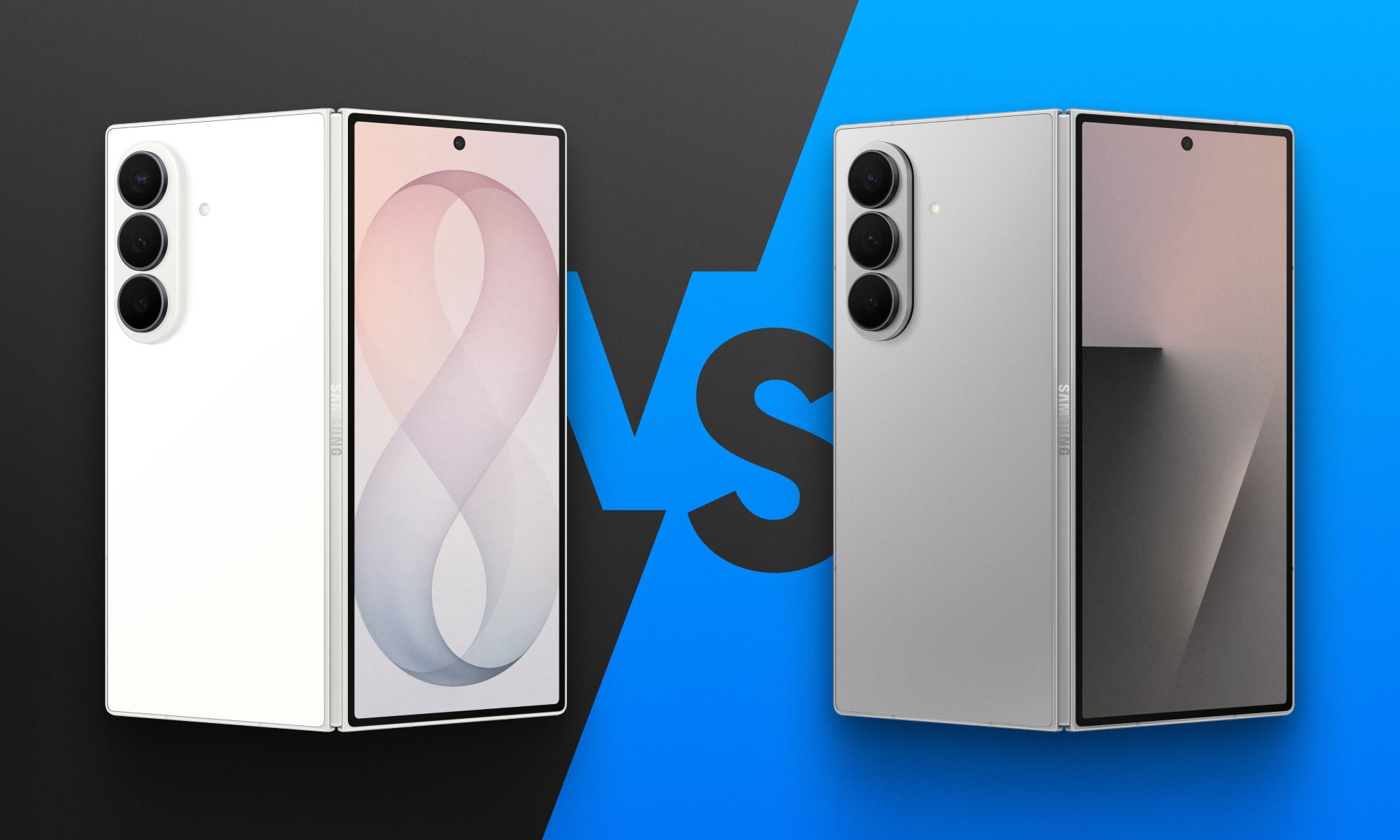
Samsung just wrapped up its glitzy Unpacked event, revealing three new foldable phones and a pair of smartwatches. While my heart flutters for the pocketable Galaxy Z Fold 8, it’s the Ultra variant that truly feels like a refinement. Interestingly, when you look at the Galaxy Z Fold 8 Ultra for the first time, you might mistake it for the Galaxy Z Fold 7.

Both of them look identical, and Samsung has not made any visible changes on the Galaxy Z Fold 8 Ultra for it to stand out from its predecessor. Color options, obviously, are fresh this time around, but there are a few changes that have been made under the hood, and they make this phone feel like a practically rewarding iteration.

Read more
Fold 8 Ultra vs. Fold 7: Upgrades across the board, but is the Ultra really worth the upgrade?
From battery capacity to camera hardware, here's a full comparison between the Galaxy Z Fold 8 Ultra and Galaxy Z Fold 7, and whether upgrading actually makes sense.
Galaxy Z Fold 8 Ultra vs. Fold 7

Foldables age differently than regular smartphones or flagships. But why do I say this? It's the hinge and the foldable aspect that wins buyers over in the first place, not the specifications that get outdated every single year. That's precisely why anyone still carrying last year's Galaxy Z Fold 7 is asking a fair question today: does Samsung's freshly unveiled Z Fold 8 Ultra genuinely earn an upgrade, or does the Fold 7 still hold its ground?

And for shoppers who skipped last year's model entirely and are weighing their first foldable purchase, the calculus is totally different. A now-discounted Fold 7 might undercut the Ultra by a considerable sum, and that could matter to those looking to spend on the form factor, not the latest specifications. 

Read more
Samsung makes it easier to run multiple apps on Galaxy Z Flip 8’s cover screen
Samsung's Galaxy Z Flip 8 now runs 16 apps on its cover screen.
Galaxy Z Flip 8 cover display

Samsung is finally making the Galaxy Z Flip's cover screen much more useful. With the new Galaxy Z Flip 8, you no longer have to rely on workarounds to access more apps without unfolding the phone. Instead, Samsung has expanded native support on the FlexWindow, allowing 16 apps to run directly on the outer display and also making it much easier to launch virtually any other app.

The update addresses one of the biggest complaints Flip users have had for years and brings Samsung up to the level of rivals like Motorola, whose Razr series has long offered a more flexible cover screen experience.

Read more