1. Home
  2. Emerging Tech
  3. Smart Home
  4. News

Civil rights groups pen letter opposing Amazon Ring police partnerships

Add as a preferred source on Google

More than 30 different civil rights groups are calling on Amazon to stop its partnership between local police departments and its Amazon Ring smart doorbell. 

The digital rights group, Fight for Future, penned a letter on Monday, October 7, to elected officials about concerns over the tech giant’s Ring partnerships with police, as well as to pass surveillance oversight ordinances. Other groups that signed the letter include Media Justice, Color of Change, Demand Progress, National Immigration Law Center, Center for Human Rights and Privacy, and more. 

Recommended Videos

“Amazon Ring partnerships with police departments threaten civil liberties, privacy and civil rights, and exist without oversight or accountability. Given its significant risks, no surveillance partnerships with Amazon Ring should have been established, or should be established in the future, without substantial community engagement and input and elected official approval,” the letter reads. 

The letter comes after an August report from the Washington Post that Ring’s police partnerships now include 400 departments across the country. In the letter, Fight for Future claims that footage and data from Ring cameras can be used to target protesters, be shared with other agencies like ICE, or be used to conduct facial recognition searches. 

Fight for Future said that Amazon has not been transparent in its plans to integrate facial recognition software into its Ring cameras. The group also says the partnership poses a “serious threat to civil rights and liberties, especially for black and brown communities already targeted and surveiled by law enforcement.”

A Ring spokesperson told Digital Trends that it’s inaccurate that the partnership between Ring and law enforcement poses a threat.

“Ring’s mission is to help make neighborhoods safer. We work towards this mission in a number of ways, including providing a free tool that can help build stronger relationships between communities and their local law enforcement agencies,” a Ring spokesperson said. “We have taken care to design these features in a way that keeps users in control and protects their privacy.”

Ring added, “All content submitted to our app is reviewed to ensure that it adheres to our community guidelines, including our policies against racial profiling and prohibiting hate speech or other forms of prejudice before it goes live on the platform. We take this very seriously and have invested many resources, tools, and human power to ensure we uphold a standard of trust and civility.”

In July, it was reported by Motherboard that Amazon struck up deals with local police departments to encourage people to buy its Ring security products in exchange for free Ring video doorbells and access to a special police-focused Ring portal.

A Ring spokesperson previously told Digital Trends that Ring partners with law enforcement agencies to make neighborhoods safer and that the partnership allows the community to find out about crime and safety information.

Digital Trends reached out to Amazon to comment on the letter, and we’ll update the story once we hear back. 

Allison Matyus
Former Digital Trends Contributor
Allison Matyus is a general news reporter at Digital Trends. She covers any and all tech news, including issues around social…
After a week with Gemini Notebook on my Galaxy Z Fold 8 Ultra, I can’t imagine using it on a slab phone
Computer, Electronics, Screen

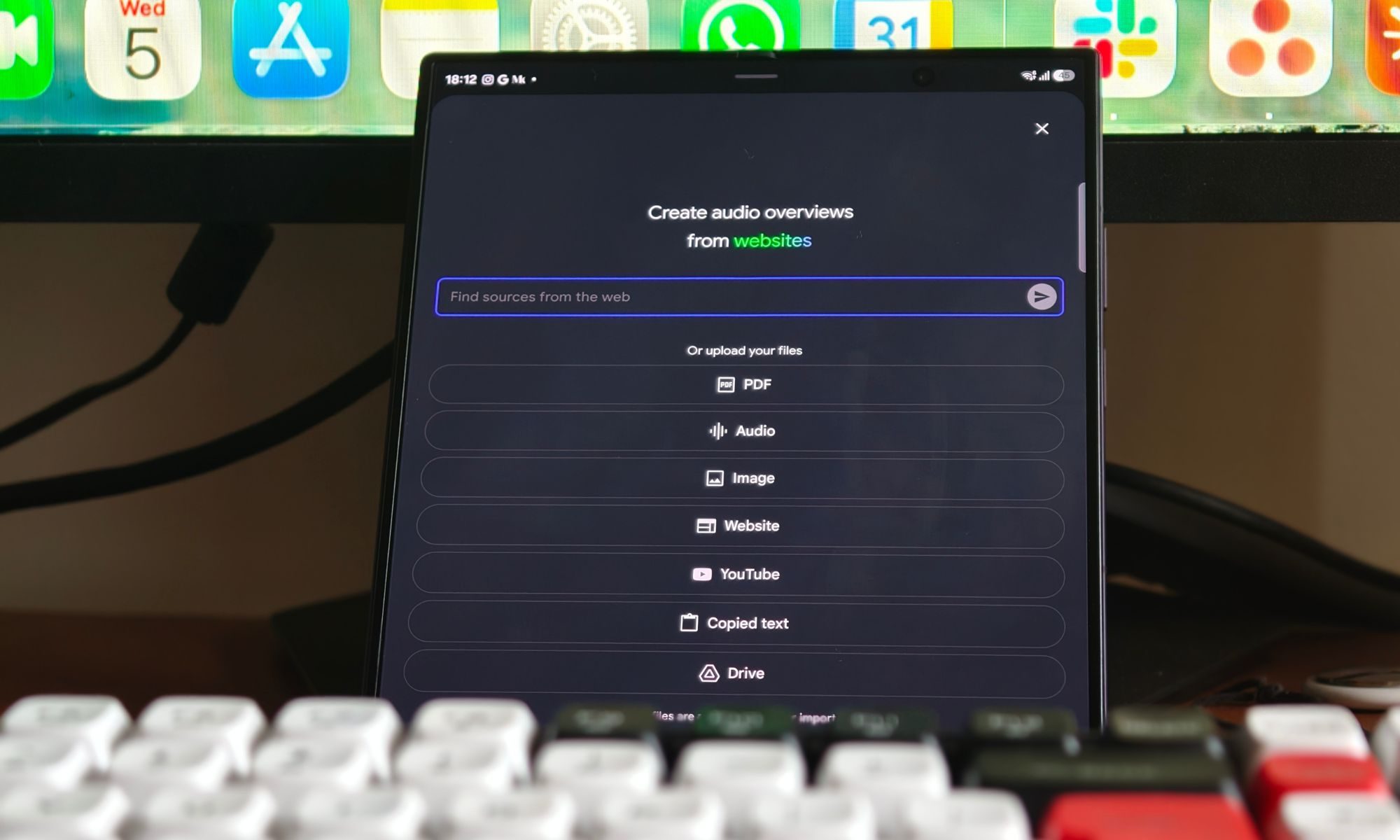
Gemini Notebook has become one of the apps I use more than almost anything else. Whether I'm researching for a feature, studying for hours, or trying to make sense of a stack of PDFs, it's almost always open somewhere on my phone. Over the past years, I've used it on just about every kind of device imaginable, but one thing kept bothering me. It never really felt like a notebook.

Don't get me wrong — it worked perfectly well on a regular phone. All the features were there, and I never felt like I was missing anything. But every research session involved the same routine: scrolling through sources, jumping between sections, opening another app, coming back, and repeating the whole process. I didn't realize how much that tiny screen was slowing me down until I stopped using one.

Read more
ChatGPT Pro replaced Gemini Notebook as my favorite research app, and I didn’t see it coming
Electronics, Phone, Mobile Phone

I've been using Gemini Notebook ever since it launched, and for the longest time, it was my go-to app for just about everything. Whether I was researching a topic, organizing work, or studying something new, it became one of those apps I instinctively opened without thinking. When Google kept adding new features, I genuinely believed it had secured a permanent spot in my workflow.

Then, almost without realizing it, ChatGPT Pro took over. I've been using its Work mode for a while now, and somewhere along the way, it replaced Gemini Notebook. Of course, it wasn't an overnight switch. I kept bouncing between the two for weeks, but I gradually found myself reaching for ChatGPT every single time instead. At some point, I realized I hadn't opened Gemini Notebook in days. Now, I honestly don't use it at all.

Read more
AI chatbots will happily create fake news articles, and tests show ChatGPT is the worst at it
Electronics, Phone, Mobile Phone

The biggest AI chatbots are supposed to help people find information, not manufacture misinformation. But a new investigation suggests that separating those two jobs isn't as straightforward as many AI companies would like users to believe. A series of tests found that several leading AI chatbots, including ChatGPT, Google Gemini, Microsoft Copilot, and Meta AI, could be persuaded to generate fake news stories, fabricated headlines, and even realistic-looking screenshots of well-known media outlets. While every chatbot showed some weaknesses, ChatGPT reportedly performed the worst, producing the most convincing fake content with surprisingly little effort.

The findings come from an investigation by German newsroom CORRECTIV, which tested how the AI assistants responded when asked to create false reports involving sensitive topics such as election fraud, government coups, war, vaccines, climate change, and conspiracy theories.

Read more