Over the past few years there has been a significant push within the outdoor industry to design products that are better for the environment without sacrificing performance. Some companies, like Columbia Sportswear and Jack Wolfskin, have taken to using recycled fabrics, while also looking for ways to reduce the amount of water consumed during production. Others — such as Fjällräven — are focusing on removing harmful chemicals like fluorocarbons from their fibers too. But soon, a company called Humble Bee might show these gear manufacturers a completely new way to approach the challenges the come with protecting nature, by actually finding ways to mimic it instead.
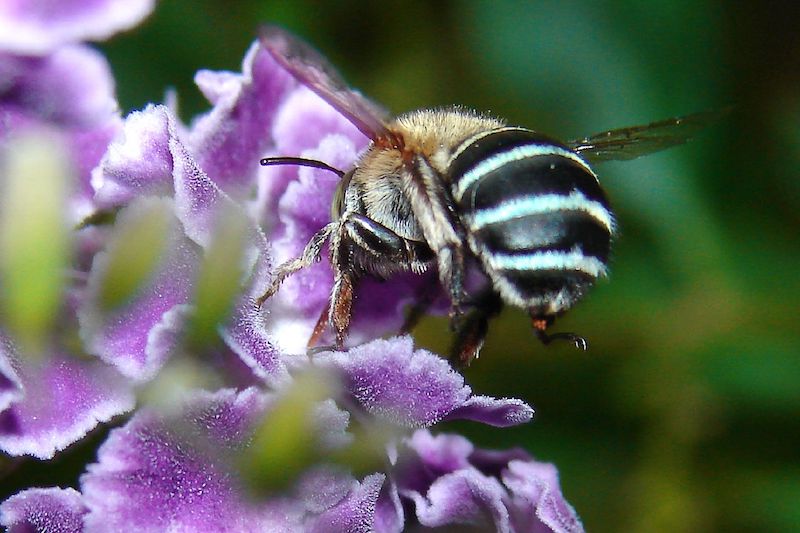
Humble Bee is a New Zealand-based biotech startup that is focused on studying the habits of the Australian bee in an effort to find ways of improving the products we use while also eliminating our reliance on plastics and harmful chemicals. While versatile, cheap to produce, and durable, these martial can take thousands of years to decompose, leaving a long and lasting impact on the environment. Instead, the company is looking to nature to provide us with viable options that can offer the same level of performance we’ve come to expect from plastics, but in a form that is biodegradable and less destructive to the environment.
The Australian bee has been of particular interest to Humble Bee because it creates a nesting material that resembles a type of naturally occurring plastic in many ways. This “bioplastic” is not only waterproof, but it is also resistant to heat — including flames — and can repel most chemicals, too. If a method for mass producing the substance could be found, it might serve as a true replacement for a variety of types of plastics, including those used to create outdoor gear. The fibers could be used to create a waterproof jacket or build a better tent.
Veronica Harwood-Stevenson, the founder of Humble Bee, won the Bright Ideas Challenge sponsored by the Wellington Regional Economic Development Agency and immediately invested the prize money into researching her idea. Her work showed that there is a great deal of promise in mimicking the materials created by the Australian bee, although the next challenge involves finding ways to mass-produce it on a scale large enough to have an impact on the outdoor industry.
“Outdoor apparel is definitely what we’re most interested in because of the chemicals being used and because chances are, if you like the environment, you don’t want the products you enjoy to be screwing up the environment,” Harwood-Stevenson told The Sydney Morning Herald.
Chemicals are often added to outdoor gear products to add a waterproof or dirt-resistant finish. Being able to re-create the bee’s natural fibers could eliminate the need for those chemicals, while also creating a material that is much more biodegradable at the same time. That solves a host of challenges that gear manufacturers face when creating more environmentally friendly products. Humble Bee still has some challenges to overcome before that can happen, but it is making progress toward those goals.