1. Home
  2. Photography
  3. News

Fujifilm's new teleconverter doubles your focal length without quality loss

Add as a preferred source on Google

Fujifilm’s X-series has along been one of the more popular mirrorless camera brands, and with styling that mimics old film SLRs and a stellar lineup of XF lenses, it’s not hard to see the appeal. Keeping the momentum going, Fujifilm unveiled a new 2x teleconverter that should please sports and wildlife photographers who could benefit from the extra reach.

The new Fujinon Teleconverter XF2X TC WR is the second teleconverter Fujifilm has added to the lineup, following the 1.4x that hit the market a few months ago. The two teleconverters extends the native reach of select XF lenses.

The new 2x teleconverter, along with its 1.4x sibling, is only compatible right now with two lenses in the XF lens lineup, the 50-140mm and 100-400mm. When paired with the 50-140mm the 2x teleconverter will produce a field-of-view equivalent to that of a 100-240mm lens (or a full-frame equivalent of 150-360mm) at f/5.6 aperture, while producing a 200-800mm f/9-11 FOV when paired with the 100-400mm.

Recommended Videos

According to Fujifilm, the 2x teleconverter is constructed of nine elements in five groups, and is able to double the effective reach while maintaining the optical performance of the original lens. Photographers will also be pleased to hear that when paired with the 50-140mm the 2x teleconverter maintains phase-detect autofocus capability, though it limits the camera to contrast-detect AF when paired with the 100-400mm (due to the severely limited aperture values of f/9-11).

An image shot by photographer Jeff Carter, using the XF50-140mmF2.8 R LM OIS WR lens with new 2x teleconverter, and X-Pro2 camera.
An image shot by photographer Jeff Carter, using the XF50-140mmF2.8 R LM OIS WR lens with new 2x teleconverter, and X-Pro2 camera. Click here for the full size. Jeff Carter/Fujifilm

The XF2X TC WR is also fully weather resistant, so it can be used out in the elements without having to worry about damage to the lens or camera, and is designed in such a way that when connected to a lens, it appears to just be a part of the lens – a nice touch for those who care about aesthetics. It is expected to be available in June and will retail for $449.

The other piece of Fujifilm’s announcement is much less exciting: a new lens hood design for their 23mm f/1.4 lens.

Anthony Thurston
Anthony is an internationally published photographer based in the beautiful Pacific Northwest. Specializing primarily in…
Fujifilm Instax Mini 13 review: This instant camera won me over with its no-frills retro charm
From printing instant memories to rediscovering the fading charm of polaroids, Fujifilm's camera offers a budget route to a simple indulgence.
Fujifilm Instax mini 13 camera.

See at Amazon

Quick review

Read more
Want to try film photography? Kodak’s new $35 camera is a great place to start
This retro inspired Kodak EC35 camera keeps film photography refreshingly simple.
Kodak-EC35

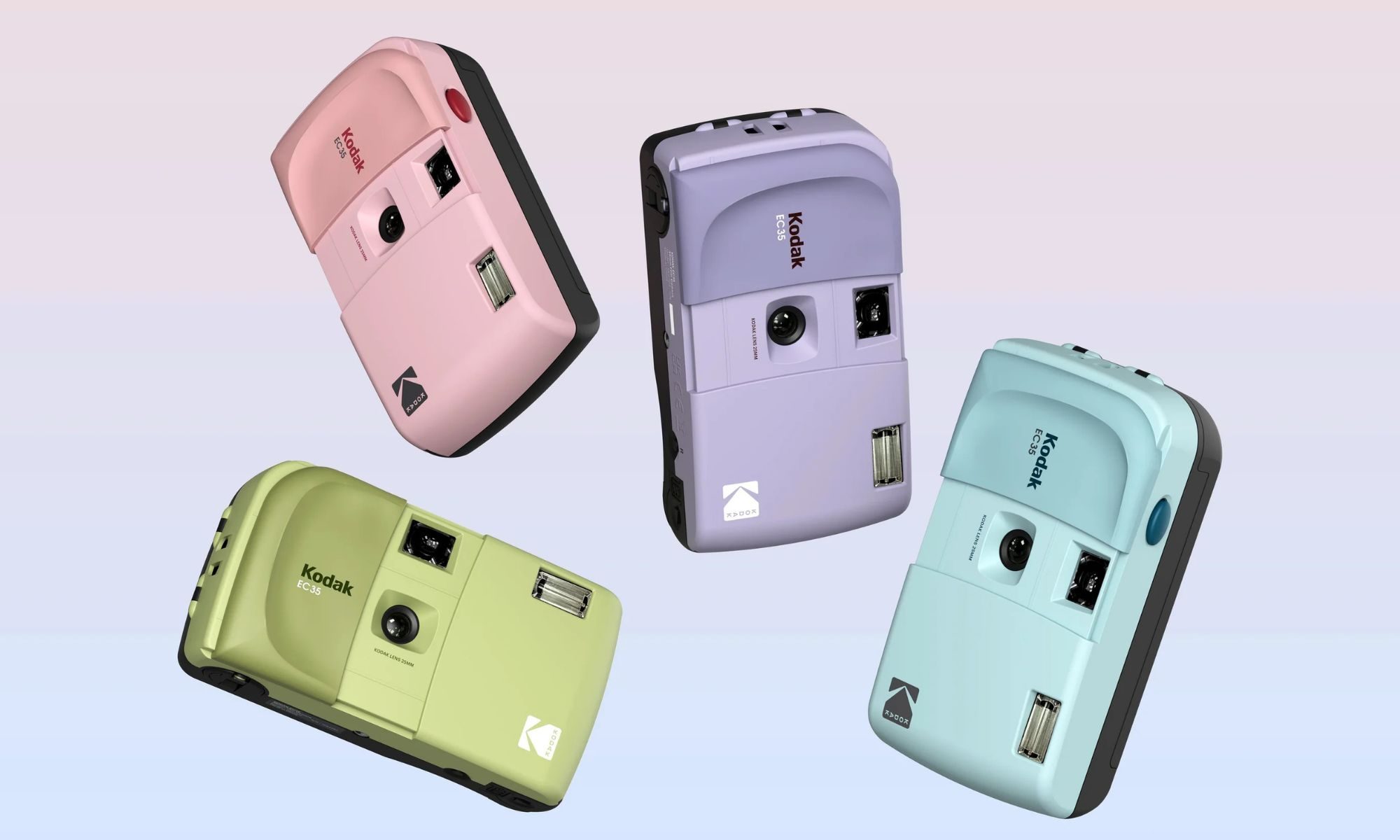
If you've been curious about film photography but didn't want to spend a fortune, Kodak has a new camera worth checking out. The new Kodak EC35 is a reusable 35mm point-and-shoot camera that costs just $34.99, making it one of the most affordable ways to try shooting on film.

Developed by Reto Project under the Kodak brand, the EC35 keeps things simple with a lightweight design, automatic flash, and a pocket-friendly body. It also arrives as interest in analog photography continues to grow, offering beginners an inexpensive alternative to disposable film cameras.

Read more
The FCC’s latest crackdown could put more than DJI drones at risk in the US
Robot, Person, Face

DJI may have found creative ways to keep some of its products flowing into the US, but those efforts are now drawing increased attention from regulators. According to The Verge, the US Federal Communications Commission (FCC) has started cracking down on several companies it believes could be helping DJI continue selling products in the country. These businesses have been described by industry observers as "DJI front companies" because they market or import products that appear to be closely tied to the Chinese drone maker while operating under different brand names.

DJI's alleged back door may be closing

Read more