1. Home
  2. Photography
  3. Emerging Tech
  4. News

Scientists hack camera to shoot 20 times faster with a filter-like accessory

Add as a preferred source on Google

Scientists have found a ‘cheat code’ for photographing processes that happen faster than laboratory cameras can shoot. A new technique developed by Rice University researchers called super temporal resolution microscopy (STReM) allows scientists to capture data 20 times faster — not by developing a faster camera but by encoding the information in a single photograph.

The technique is based on a concept similar to using the camera’s focus to determine an object’s distance from the camera. Just like using manual focus on a DSLR, the focus is dependent on distance — as the lens is adjusted, objects closer or farther from the camera come into focus. Taking multiple images at different focus lengths allows researchers to determine how far away that object — or in the case of microphotography, molecule — is from the camera.

Recommended Videos

Previous research showed that by manipulating the wave of light bouncing off those objects, scientists could determine where the object was at that moment without using multiple images taken at different focus lengths, but by looking at that molecule’s shape. The light was manipulated using a phase mask — imagine it as a sort of camera filter that shifts the light so someone with training can easily identify the object’s distance from the camera.

The researchers at Rice theorized that taking the same filter that shows distance and adding an element of time would allow them to see not only distance but movement. The research team, led by chemist Christy Landes, took the phase mask (the filter that shows distance) and built a device to spin that mask around.

As the mask spins faster than the camera can shoot, the image sensor picks up the molecule’s movement — so one molecule pops up several times in the same image. Since the phase mask allows a trained eye to determine distance, researchers can then measure the copies of the molecule on the image and see where and how it moved.

Molecular imaging hack makes cameras 'faster'

The new technique is helping researchers to study processes that happen at rates faster than the typical laboratory-level camera — 10 to 100 frames per millisecond — like absorption of proteins and more precise measurements on the way molecules move.

The ‘hack’ could also help research teams with limited budgets — Landes said building the STReM only cost a few hundred dollars, which could help achieve high-speed images without the expense of a top-of-the-line laboratory camera.

Hillary K. Grigonis
Hillary never planned on becoming a photographer—and then she was handed a camera at her first writing job and she's been…
Want to try film photography? Kodak’s new $35 camera is a great place to start
This retro inspired Kodak EC35 camera keeps film photography refreshingly simple.
Kodak-EC35

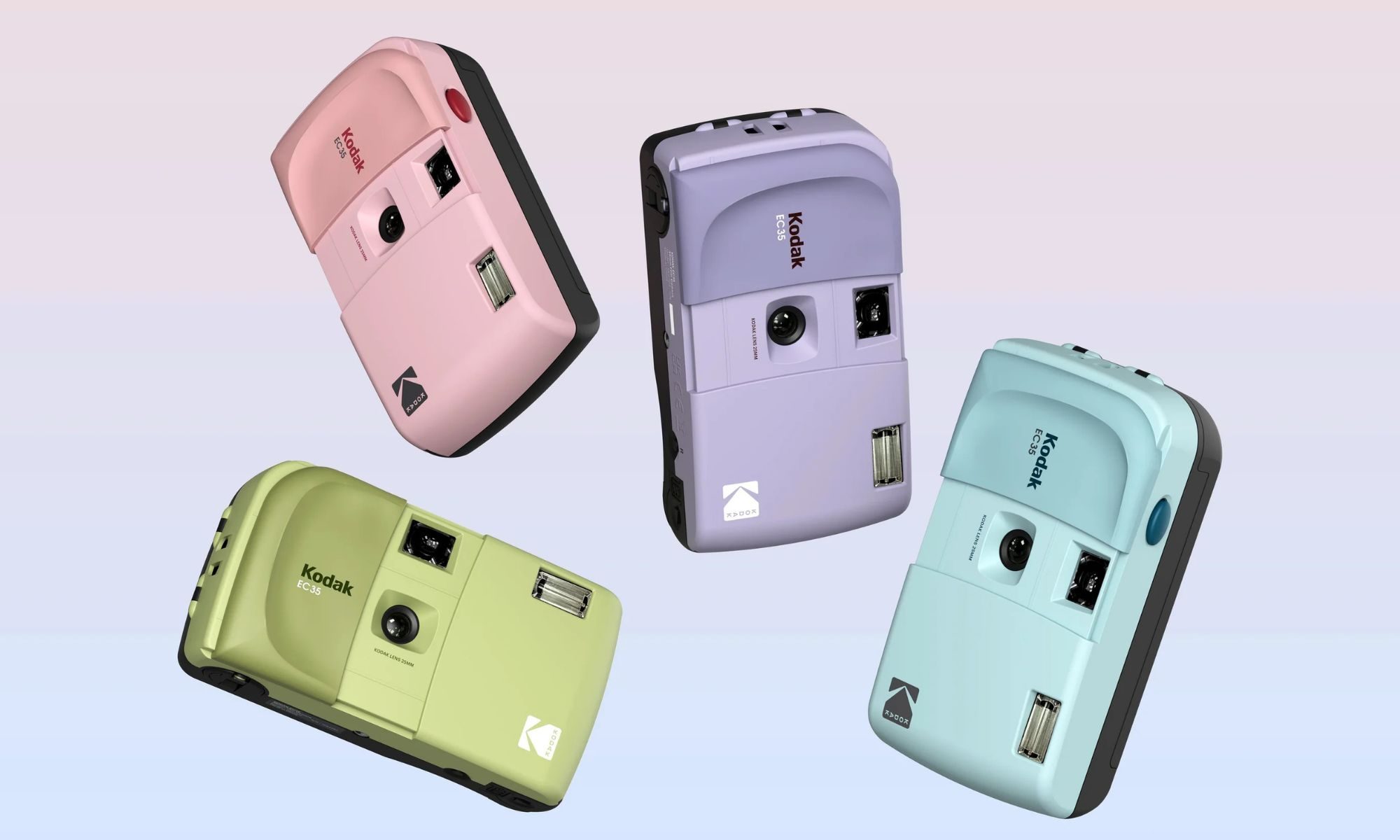
If you've been curious about film photography but didn't want to spend a fortune, Kodak has a new camera worth checking out. The new Kodak EC35 is a reusable 35mm point-and-shoot camera that costs just $34.99, making it one of the most affordable ways to try shooting on film.

Developed by Reto Project under the Kodak brand, the EC35 keeps things simple with a lightweight design, automatic flash, and a pocket-friendly body. It also arrives as interest in analog photography continues to grow, offering beginners an inexpensive alternative to disposable film cameras.

Read more
The FCC’s latest crackdown could put more than DJI drones at risk in the US
Robot, Person, Face

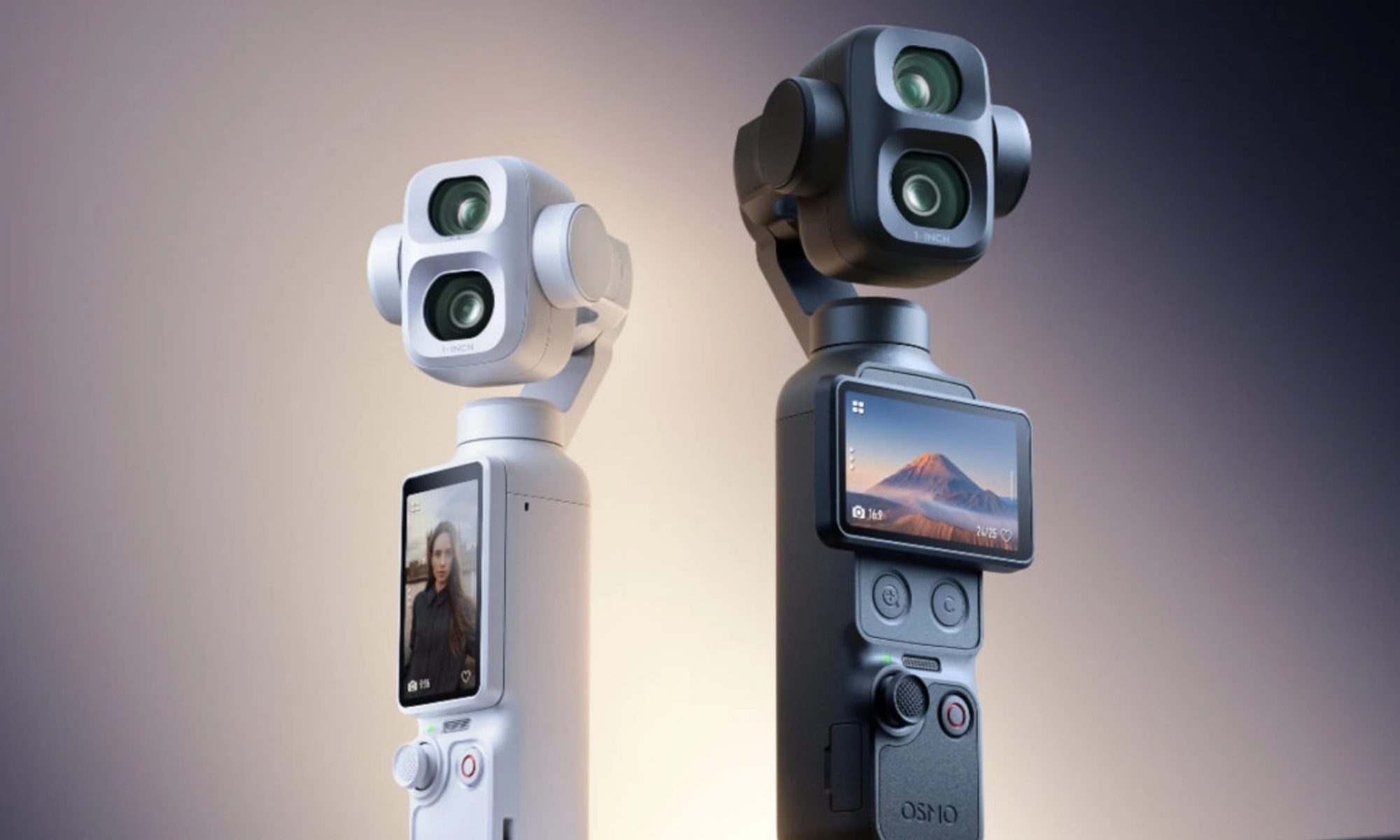
DJI may have found creative ways to keep some of its products flowing into the US, but those efforts are now drawing increased attention from regulators. According to The Verge, the US Federal Communications Commission (FCC) has started cracking down on several companies it believes could be helping DJI continue selling products in the country. These businesses have been described by industry observers as "DJI front companies" because they market or import products that appear to be closely tied to the Chinese drone maker while operating under different brand names.

DJI's alleged back door may be closing

Read more
I bought Kodak’s viral keychain camera, and the bad photos are part of its charm
The Kodak Charmera is barely a camera, and I still keep using it
Machine, Wheel, Camera

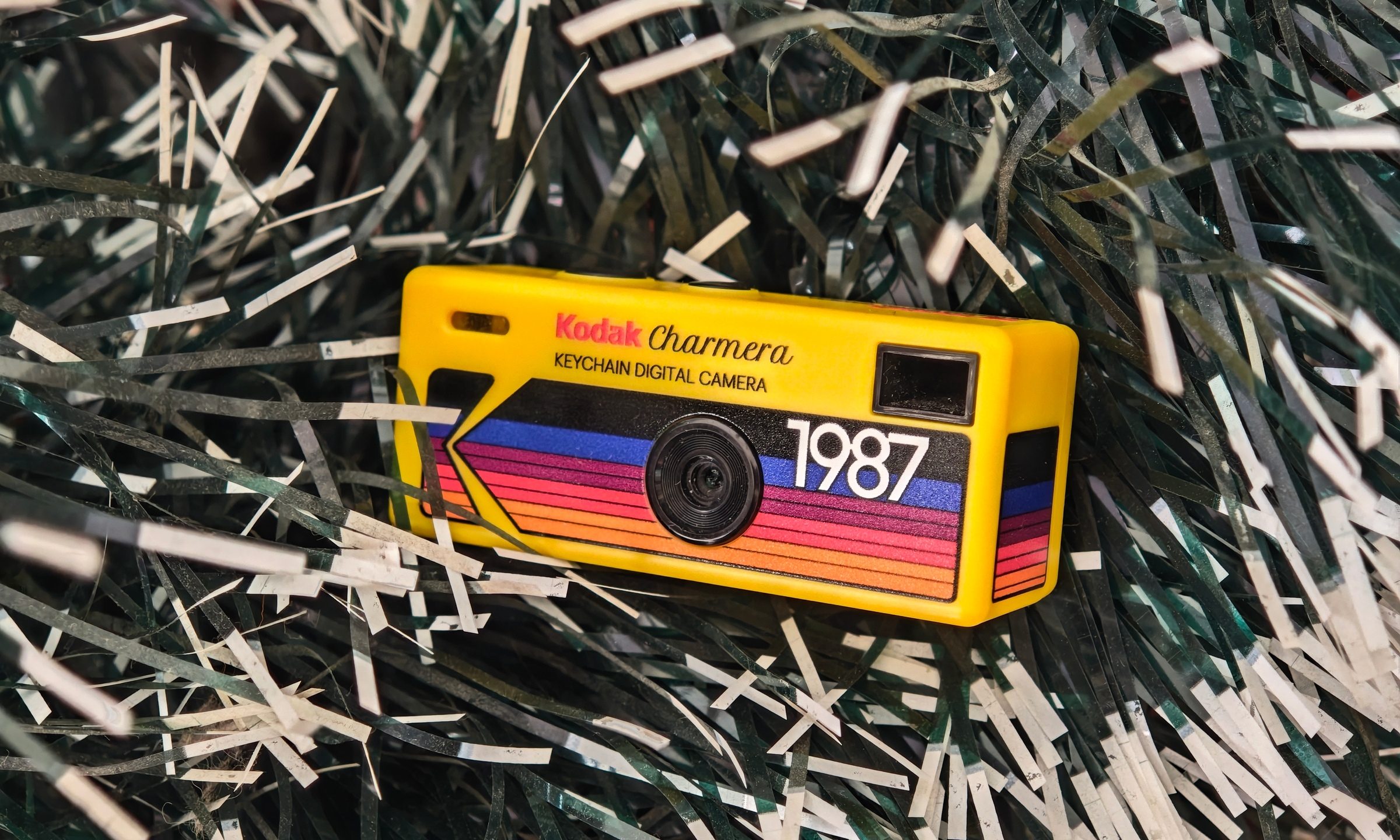
I bought the Kodak Charmera partly because I wanted a portable digital camera, and partly because I wanted a pretty little collectible. The Charmera is sold as a blind box, so you do not know which version you are getting until the box is opened. There are multiple retro Kodak-style designs, plus a transparent secret edition that looks like the one everyone would want.

I had the shopkeeper pick my box for better luck, and it worked out. I got the yellow variant, which is inspired by Kodak's original 80s disposable camera. The transparent one is definitely the fun collector’s piece, but the yellow model feels like the proper Kodak version. It looks like a tiny toy camera that escaped from a souvenir shop, found a keyring, and now hangs around wherever you go.

Read more