1. Home
  2. Social Media
  3. Emerging Tech
  4. Health & Fitness
  5. News

People who use these phrases are more likely to stick to their diet

Add as a preferred source on Google

It’s obvious — your social media accounts say a lot about you. But it might not be so obvious just how much your use of sites like Twitter or Instagram reveals.

In a new study, researchers at the Georgia Institute of Technology have shown they can predict dieting success with 77 percent accuracy.

Recommended Videos

Amid the popularity of fitness and quantified self apps, lead researcher Munmun De Choudhury noticed that many people were sharing their results on social media. “Twitter is a general purpose social media platform, not specifically about health or diet,” she told Digital Trends. “Why is it then people are sharing these diet updates on Twitter? This led to our main research question – so are there certain types of content, language, and activities shared on Twitter that would predict somebody’s future diet compliance?”

Choudhury and her team studied the words and phrases of more than 2 million tweets and over 100,000 daily fitness app entries from 700 Twitter users. They found that people who use more positive, future-focused, and self-reflective phrases were more likely to stick to their day-to-day diet plan.

On the other hand, Choudhury said, “Unsuccessful dieters tend to talk less about health and fitness in their tweets, and their self-esteem seems to be low, because they do not talk about their achievements and accomplishments. They also have fewer support they can glean from their social networks on Twitter. Finally, these dieters express more negative emotion, anger, anxiety, and sadness in their Twitter posts.”

The findings may not be revelatory, but they do suggest a way to improve dieting success, both for fitness apps and the people doing the dieting. “Despite the plethora of availability of various quantified self tools, people still struggle with maintaining good health and fitness,” Choudhury said. “Part of the problem stems from the fact that over extended periods of time, people lose their motivation of using these apps, and inability to conform to diet goals demoralizes people, leading to further abandonment.

“Quantified self tools could incorporate this information to nudge people persuasively to continue to share their diet information, and adopt better health behavior practices that can reduce the likelihood of failing,” she added.

Dyllan Furness
Former Contributor
Dyllan Furness is a freelance writer from Florida. He covers strange science and emerging tech for Digital Trends, focusing…
Snapchat Planets Meaning: Order, Rankings, and How Friend Solar System Works
Snapchat Planets turns your best friends list into a solar system, and yes, your orbit says a lot
Snapchat Planets being shown on the Snapchat app on iPhone.

Snapchat+ includes several exclusive features, but few have generated as much curiosity as Snapchat Planets. Part of the app's Friend Solar System, it transforms your Best Friends list into a planetary ranking, assigning each of your top eight friends a planet based on how often you interact.

From Mercury, which represents your closest friend, to Neptune, which represents your eighth closest, the system offers a quick visual snapshot of your interactions. But what do the different planets actually mean, and how does Snapchat decide who gets which one?

Read more
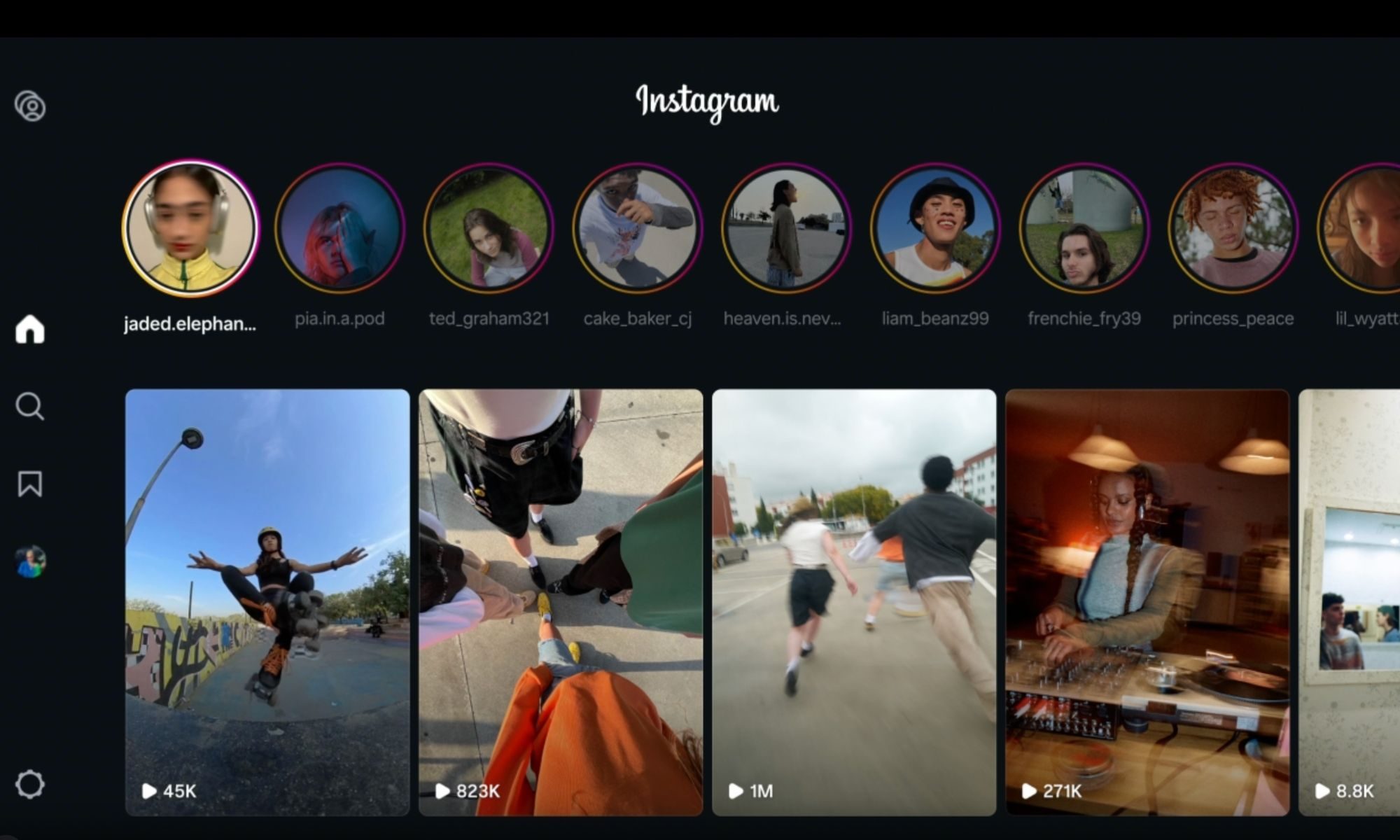
Instagram lands on Samsung TVs, with episodic series and live TV coming to your screen soon
Instagram for TV adds new features for group watching.
instagram-samsung-tv

Meta just expanded Instagram for TV to Samsung Smart TVs across the US, rolling out a bunch of new features built for group viewing. With Samsung now on board, Instagram for TV has officially landed on the three biggest connected TV platforms in the country.

https://twitter.com/metanewsroom/status/2069062429821026732?s=46

Read more
TikTok’s AI slop problem is worse than you think — and kids are seeing the most of it
TikTok

TikTok has spent years perfecting the art of knowing exactly what you want to watch next. Open the app, scroll a few times, and suddenly it’s serving videos that feel uncannily tailored to your interests. But what happens before TikTok learns who you are? According to new research from video editing platform Kapwing, the answer is increasingly AI slop.

The study found that nearly 60% of the videos shown to a brand-new TikTok account were low-quality AI-generated content. That’s not a niche problem buried in obscure corners of the platform. It’s the first impression TikTok is making on new users before the algorithm even begins personalizing their feed. And if that sounds concerning, the findings around children’s content are even harder to ignore.

Read more