1. Home
  2. Space
  3. Emerging Tech
  4. News

This hotel lets you ‘spend a night in space’ with new moon-themed rooms

Add as a preferred source on Google

If “spend a night in space” is one of those things on your to-do list that just never seems to get done, then the next best thing might be to book yourself into the “Space Suite” of the Kameha Grand hotel in Zurich, Switzerland.

The recently unveiled and lavishly furnished room comes with a “zero-gravity bed” that appears to float just above the floor, a steam bath “designed to simulate a view into the universe….and a two-screen video installation visualizing space debris in Earth’s orbit,” according to CNN.

Recommended Videos

Designed by German artist Michael Najjar, the stylish fifth-floor suite also features large pictures of galaxies, floating astronauts, and a selection of books and movies related to space travel.

A nice touch is the spotlight design that resembles part of a rocket engine, though the wall-attached space glove for holding your keys and phone may also appeal (or possibly creep you out).

“We will take you to the stars!” the hotel proclaims on the room’s webpage, though it’ll cost you $2,000 and you won’t actually leave Zurich.

Bizarrely for a hotel room – and one that doesn’t come cheap – creating a relaxing environment wasn’t at the forefront of Najjar’s mind when he designed the Space Suite.

“The intention was not at all to create a comfortable bedroom,” he told CNN, adding, “It’s more about creating an immersive environment which makes the hotel guest feel like living on a space station.”

To our eyes, Najjar’s room looks a whole lot comfier than conditions aboard the ISS, though who knows, maybe the mini bar only offers vacuum-packed slop and the mattress comes stuffed with space rocks.

Either way, the artist’s interest in space clearly extends well beyond simply designing themed rooms on it – he’s apparently spent the last three years training for a suborbital Virgin Galactic flight.

Najjar’s got some grand ideas, too, about how space and hotels might combine in the future: ”Current developments in space travel and exploration will have a huge impact on our life on Earth in the future. One day we will see hotels floating in space.”

That sounds great, but it’ll make for one hell of an elevator journey to get to your room.

Trevor Mogg
Contributing Editor
Not so many moons ago, Trevor moved from one tea-loving island nation that drives on the left (Britain) to another (Japan)…
SpaceX Starship reaches orbit for the first time but its historic flight ends early
Starship reaches orbit for the first time and deploys 26 Starlink satellites before an early splashdown.
spacex-starship

After 13 suborbital test flights and more than $15 billion in development costs, SpaceX's Starship has finally reached orbit. The 407-foot megarocket, the most powerful ever built, lifted off from Starbase, Texas, on Monday and delivered its first real payload on it's 14th attempt. The celebration came with an asterisk, though, since SpaceX had to cut the planned 10-hour mission to roughly three hours.

https://twitter.com/SpaceX/status/2104601695711904180

Read more
Starship is finally going orbital, and SpaceX has picked September 22
Flight 14 is aiming for orbit, Starlink V3 deployment and a very long day in space.
Starship rocket.

SpaceX is finally ready to give Starship its biggest test yet. The company says the massive rocket's 14th test flight is scheduled for September 22, when it will attempt to put the upper stage into Earth orbit for the first time. The launch is currently pending regulatory approval, with a 75-minute window opening at 7:15 a.m. CT.

Starship has 26 Starlink satellites to deliver

Read more
Want a city on the Moon? Scientists say there’s not enough water
A billion tons still comes up short
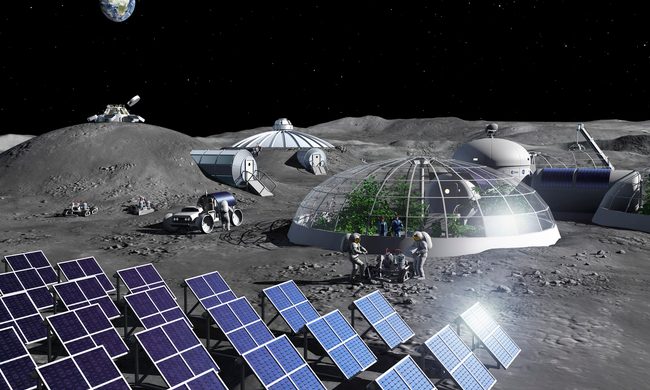
Artist impression of activities in a Moon Base.

For decades, humanity has looked up at the Moon and wondered what it would be like to live on it. Think sprawling cities, factories, research centers, and permanent human settlements. Unfortunately, there is one fairly fundamental problem with that vision.

A new study published in Frontiers in Space Technologies argues that even the Moon's potentially enormous reserves of frozen water may be nowhere near enough to support city-sized populations sustainably. Researchers Martin Elvis and Jonathan McDowell estimate that the permanently shadowed regions near the lunar poles could contain roughly one billion tons of water. It sounds like an extraordinary amount until you put a million thirsty humans next to it.

Read more