  1. Home
  2. Tablets
  3. Web
  4. Legacy Archives

Apple faces another trademark lawsuit in China over ‘Snow Leopard’

Add as a preferred source on Google
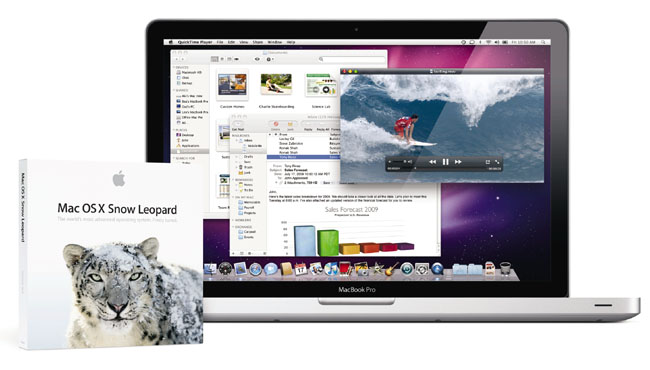
Mac OS X Snow Leopard w/MacBook
Image used with permission by copyright holder

Just days ago, Apple settled its trademark dispute with Proview in China over the name “iPad” for $60 million. It’s a far cry from the $400 million that the Chinese company was looking to get from Apple, but a precedent seems to have been set. Now, a Chinese chemical company, Jiangsu Xuebao, has filed a lawsuit against Apple for the “Snow Leopard” trademark.

The Chinese chemical company claims it filed a trademark in 2000 for the Chinese translation of “Snow Leopard,” for the production of electrical equipment. The company will plead its case in a Shanghai court in a hearing set for July 10. The company has also filed a lawsuit against four companies that advertise and sell Apple’s Snow Leopard. The chemical company is seeking 500,000 RMB (approximately $78,713 USD) and an apology.

Recommended Videos

According to the Chinese blog, MIC Gadget, the lawsuit will have little chance of succeeding because there was little chance for confusion. Jiangsu Xuebao is best known for the production of toothpaste and detergent, which would would make it tough to mistake for a brand of software.

For Apple, which seems to prefer settlements over lengthy legal proceedings, the cost of settling the “iPad” trademark case at the cost of $60 million is only a minor inconvenience for a company that posted its Q2 2012 results with revenues in the upwards of $39.19 billion. Apple CEO Tim Cook revealed that Apple has posted quarterly earnings of $7.9 billion from China alone, which makes up approximately 20 percent of the company’s total quarterly revenue.

It’s a small, almost insignificant cost for the potential to garner the loyalty of the Chinese market. In fact, Cook’s last conference call with Wall Street analysts, he reiterated that China was a crucial growth opportunity for Apple. Just last fiscal year sales in China made up 12 percent of Apple’s total revenue. Two years ago, China sales made up just 2 percent of Apple’s total revenue.

The current cost for Apple may be low, but it does pave the wave for copycats. Following the success of Proview and Jiangsu Xuebao’s own attempts, Apple may be setting itself up for any company with a flimsy trademark claim to take a swing at the Apple cash piñata and see what falls out.

Francis Bea
Former Digital Trends Contributor
Francis got his first taste of the tech industry in a failed attempt at a startup during his time as a student at the…
ASUS Pad Review: A pleasing OLED tablet that leaves its true potential untapped
OLED ambition without the flagship tablet tax
ASUS Pad Review in hand

See at Asus

Quick Take

Read more
Apple may host another launch on October 27, with new Macs and an OLED iPad mini expected
Apple’s late-October hardware plans may include a touch-screen MacBook Pro, M6 iMac, and refreshed iPad mini.
Computer, Electronics, Laptop

Apple is reportedly planning to launch a new slate of devices late in October, and this event will focus on Macs, it seems. Earlier today, Apple confirmed that a smart home-focused event is lined up for October 13, which leaves the doors open for another busy event where the company is expected to launch a highly anticipated MacBook Pro overhaul with the touch-sensitive OLED screen, a new iPad, and more computing gear.

“The product launch is scheduled on or around Tuesday, Oct. 27, according to people with knowledge of the matter. The end-of-month announcements will also include versions of the 14-inch MacBook Pro and iMac with M6 chips,” says the report.

Read more
Amazon is doing with Android tablets what Apple still won’t do with the iPad
Amazon's new tablets have an idea that other Androids should copy
Amazon Alexa Tablet 12 Pro pen

I did not expect Amazon to be the company that made me reconsider what an Android tablet should actually be. The company's Fire tablets have been quite the opposite of what you'd expect from an Android experience. Despite running on the Android OS, they ran a fork of Android, which pushed users toward Amazon’s own apps and services, and famously shipped without the Google Play Store.

That's not to say they were entirely terrible. In our review of the Fire Max 11, we praised it for its hardware package and overall value. Though its sparse app selection was also one of the biggest things holding it back. Installing Google Play yourself made the tablet dramatically more useful.

Read more