1. Home
  2. Computing
  3. News

Watch 2018 Winter Olympics events in virtual reality thanks to NBC and Intel

Add as a preferred source on Google
Just because you’re unable to make it to South Korea next month doesn’t mean you can’t make your 2018 Winter Olympic dreams a reality — that is, a virtual reality.
NBC has announced plans to broadcast more than 50 hours of virtual reality coverage from the upcoming games live to viewers in the United States. Not only will this be the first time that any Winter Olympics has been captured in VR, but it will also be the first time that Olympic programming in VR will be streamed live in the U.S. across a plethora of devices and platforms.
While the 2016 Summer Olympic Games were also shown in VR, the vast majority of the content was only made available the day after.The VR coverage will come from Intel True VR technology, which employs multiple cameras for its interactive 360-degree VR footage. Included in the more than 50 hours of coverage will be the opening and closing ceremonies, alpine skiing, curling, snowboarding, skeleton, figure skating, short track, ski jumping, ice hockey, big air, and more. NBC will also provide VR replays of all Winter Olympics events that are otherwise live-streamed, as well as one daily 360-degree video of a sport that was not made available in VR the previous day.
Plus, you’ll be able to check out highlights from the day before in VR, too.Accessing virtual reality content of some of the action in Pyeongchang should be pretty straightforward — you’ll need to subscribe to a TV provider and then just log in using your credentials, as you would to watch just about anything else online these days.You’ll be able to check out VR programming almost every day of the games (February 18 is the one exception). Folks using Samsung, Google, Windows, and Android and iOS devices will be able to access the content via the NBC Sports VR app.

“The Olympics have long been an opportunity to showcase emerging media technology,” Gary Zenkel, president of NBC Olympics, said in a statement. “With the help of Intel’s industry-leading virtual reality technology, NBC Olympics will deliver a transformative experience that will bring to Olympic fans an entirely new perspective on the speed, thrills, and excitement of an Olympic Winter Games.”

Lulu Chang
Fascinated by the effects of technology on human interaction, Lulu believes that if her parents can use your new app…
Samsung’s new OLED laptop panels just got a lot brighter, and they’ll last longer too
1,600 nits peak brightness, deeper blacks, and double the lifespan, all in one panel.
Samsung Display OLED laptop

A month after showing off its brightest smartphone displays, Samsung Display is turning up the brightness dial on laptop screens. The company confirmed today that it has begun supplying a new tandem OLED panel for laptops that meets VESA's brand-new DisplayHDR True Black 1400 certification, the toughest brightness bar OLED panels have had to clear so far. If you ever felt that your laptop display looks washed out outdoors, this update is aimed squarely at you.

What advancements does True Black 1400 bring to the table?

Read more
The Mac Pro nearly received an M3 Extreme chip twice as powerful as M3 Ultra
High production costs likely killed Apple’s M3 Extreme plans
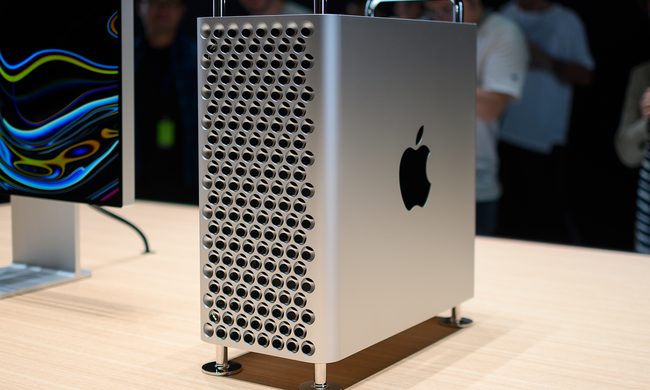
Apple's Mac Pro on a table at a press event.

Apple discontinued the Mac Pro earlier this year, ending a 20-year run for a computer that once represented the very best of the company’s desktop lineup. However, Apple reportedly had much bigger plans for the machine before ultimately replacing it with the Mac Studio.

According to Bloomberg’s Mark Gurman, Apple developed an M3 Extreme chip that could have offered twice as many CPU and GPU cores as the M3 Ultra. The processor was intended to sit above the Ultra tier and could have finally given the Mac Pro the performance advantage it badly needed. Apple eventually abandoned the chip due to concerns over production costs and limited demand for such an expensive machine.

Read more
Hidden prompts can secretly rewrite an AI’s memory, and researchers say that’s a serious problem
Researchers discover AI attack that rewrites an assistant's long-term memory
Chatbot on a smartphone.

Large language models are getting better at remembering us. Whether it's your preferred writing style, recurring tasks, shopping habits or project deadlines, AI assistants are increasingly storing long-term memories to make future conversations feel more personal and useful. But according to new research, that same feature could become one of AI's biggest security vulnerabilities.

Researchers from New Mexico State University have demonstrated a new attack called GhostWriter, capable of secretly planting false memories inside AI agents. Rather than stealing information outright, the attack manipulates what an AI remembers, potentially causing it to make dangerous decisions long after the original attack has taken place.

Read more