1. Home
  2. Wearables
  3. Mobile
  4. News

Strava offers support for Wear OS 3, but not for previous versions

Add as a preferred source on Google

Strava, a fitness-tracking app with social media-like features, recently updated to support Wear OS 3. While this sounds like good news at first, this change could be problematic for users whose wearables are running older Wear OS versions.

Strava has offered a stand-alone Wear OS app for five years now and currently has 76 million users.  Nearly 1 million users join the platform every month to track running and cycling while sharing routes and progress with friends. In light of the latest updates from Strava, users will now have a huge choice to make. 
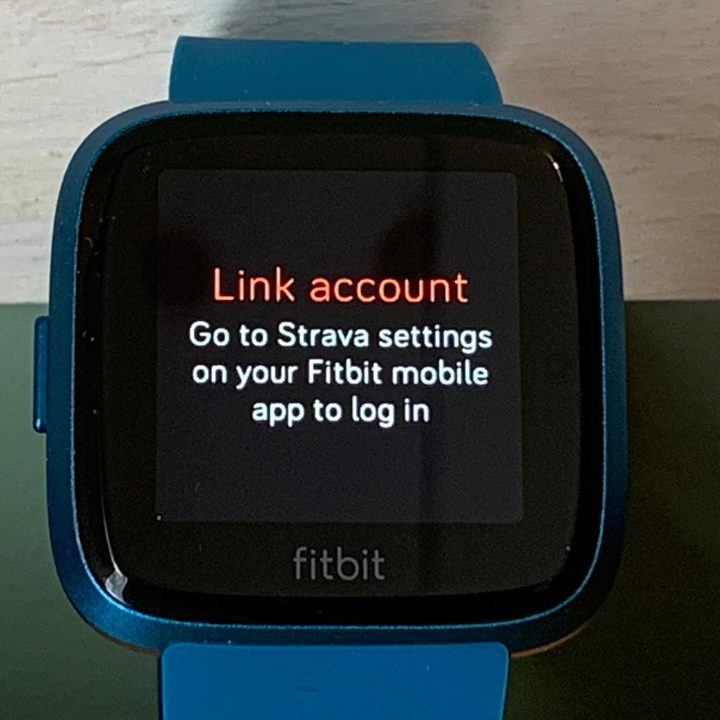
Fitbit Versa Lite tips and tricks
Image used with permission by copyright holder

Strava’s website suggests that users with devices running the older Wear OS versions will not receive the latest software updates. “As of August 2021, Strava will only support the Wear OS 3.0 application. Older devices using Wear 2.XX can continue to access the old Strava application but will no longer receive any future updates.”

Recommended Videos

So, Strava will remain functional on older devices, but users won’t be able to access new features and updates. This will leave users with outdated software and no option but to abandon the device for a new version.

Google has previously released a list of smartwatches that will be compatible with Wear OS 3 when it becomes more widely available in 2022. Currently, only the Samsung Galaxy Watch 4 and the Galaxy Watch 4 Classic support Wear OS 3. Even the Fossil Gen 6 lineup announced last week will only run Wear OS 2 late next year. Google revealed recently that its new apps for YouTube Music and Google Maps would be coming to Wear OS soon, but they wouldn’t be available for older devices. This means most users would either have to buy the Samsung Galaxy Watch 4 or the Galaxy Watch 4 Classic to enjoy these features this year. 

Users willing to wait for a few more months may have more options to choose from as the TicWatch and the Fossil Gen 6 devices will be updated to Wear OS 3 through a hard reset, which unfortunately requires wiping your settings and data, though you should be able to restore them from a backup. 

The good news is that apps like Spotify support offline listening for all Wear OS devices running Android 6 or above and iOS 12 or above, irrespective of the Wear OS version. The only problem? Apps like Strava and Google Play Music are cutting off support for older smartwatch users, while many smartwatch editions running Wear OS 3 will not be released at least until next year. This has the possibility of creating a weird limbo period, where efficient Wear OS 3 apps will flood the market but there will be very few devices to access them. It’s part of a larger problem with the Wear OS platform that’s going to need to be addressed. 

Sakshi Udavant
Former Mobile Writer
Sakshi Udavant is a freelance journalist and marketing writer covering technology, business, wellbeing and lifestyle. She…
Qualcomm is set to ratchet up chip prices in September, and your next gadget upgrade could bear the brunt
The price hike could touch every Snapdragon-powered device category.
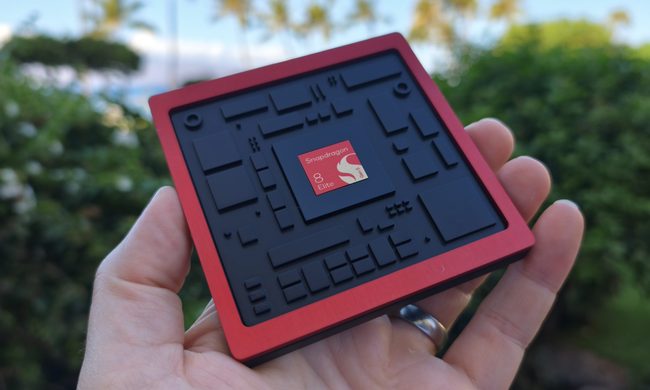
The new Qualcomm Snadragon 8 Elite Gen 5

I want you to sit with this for a second. Qualcomm, the company whose Snapdragon chips sit inside your Android phone and tablet, your Windows laptop, your Meta smart glasses, your Galaxy Watch, and your wireless earbuds, reportedly sent a letter to every major customer telling them prices are going up by double digits. 

The price hike will be in effect from September 1, 2026, a recent Bloomberg report claims. Essentially, all the companies placing their chip orders after that will pay a higher price. 

Read more
Slacked off all summer? Here are 3 fitness trackers that’ll help you stay accountable as you head back to school
Three trackers, three price points, three totally different approaches to keeping you honest about your own goals.
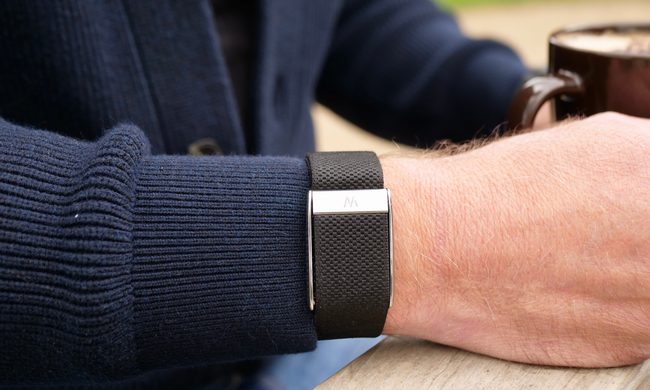
A person wearing the Whoop 5.0.

Summer break did what it usually does. Your sleep schedule drifted, workouts happened less often than you'd hoped, and by the time August rolled around, you were feeling it. You've got a plan to get back on track once the school year starts and your days have more structure, but you know how that usually goes. The first two weeks are solid, then the routine quietly slips.

A fitness tracker won't get you off your couch. What it will do is put a number in front of you every day, one that makes it obvious whether you stuck to your goal or slacked off. That small bit of visibility is often the difference between meaning to work out and actually doing it. Back-to-school season is a good time to buy in, since you're already resetting more than one part of your routine, and the overlap makes the habit more likely to stick. To keep the odds in your favor, here are three fitness trackers that can help you stay accountable and actually hit your goals.

Read more
Galaxy Watch 9 vs. Watch Series 11: Has Apple finally met its smartwatch match?
From AI-powered health coaching to outdoor fitness tracking, here's how Samsung's Galaxy Watch 9 stacks up against Apple's Watch Series 11.
Wristwatch, Arm, Body Part

These days, the real battleground between smartwatches is who can turn a wrist-worn, sensor-loaded device into something that resembles a personal fitness trainer, and this year's crop of flagship wearables takes that fight more seriously than ever. 

Samsung just refreshed its mainstream Galaxy Watch line with a new silicon and a batch of clinically-backed health tools, landing squarely on Apple's home turf of preventive wellness tracking. Apple, for its part, has spent the better part of a year letting its Series 11 sit as the reigning pick for anyone inside its ecosystem, propped up by a software catalog few rivals match feature-for-feature. 

Read more