You know that 1958 Norman Rockwell painting, Before the Shot? A boy bends over, preparing for a needle, while a friendly older doctor leans over vials and tongue depressors, prepping the injection. I was at my primary care physician’s office recently — no shots, thankfully, but I was struck by how little things have changed since then, and how the entire medical industry has struggled with technological change.
ECGs are something people get once a year at best; what if you could have that data not just on a daily basis but continuously?
Visit your doctor and you’ll likely fill out a paper form stating that your health insurance hasn’t changed. Then you fork over a co-pay … a credit card, or maybe even cash, right? Need a prescription? Ask your doc to fax it to the pharmacy. Time for an annual exam? Lie back, while we strap leads to your chest for an ECG. Need to get in touch with your doctor? Call him … they don’t like to supply email addresses, do they?
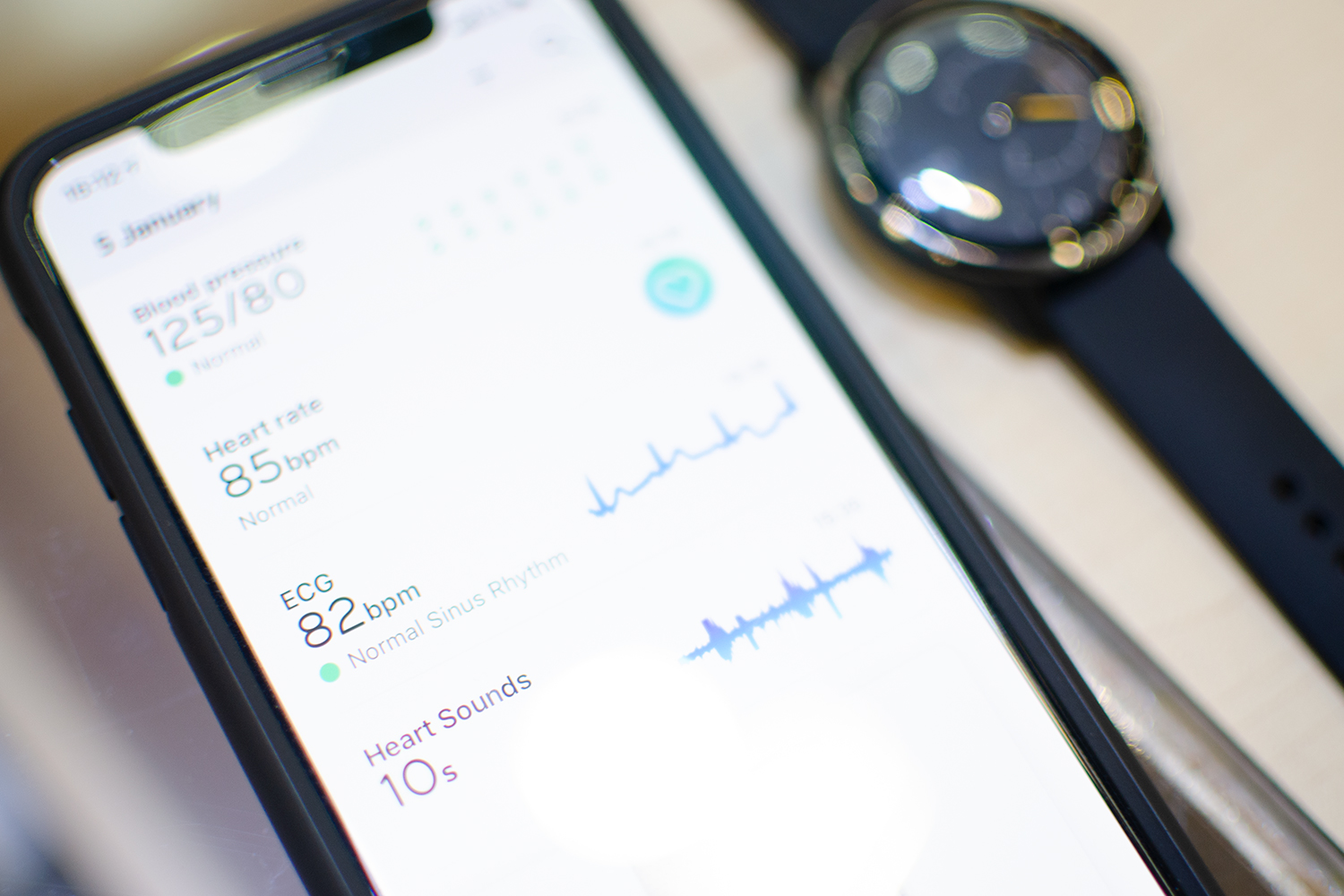
All of that is on the verge of change – and it’s about damn time. The Apple Watch Series 4 brought the world its first personal electrocardiogram (ECG), a neat feature that can measure your heart’s electrical activity and alert you if there are any causes for concern. And at CES 2019, Withings just announced the Move ECG, a mass market wearable with a similar feature at just $130. ECGs are something people get once a year at best, during our annual checkups; what if you could have that data not just on a daily basis but continuously? How many lives could be saved?
Meanwhile, Omron announced a blood pressure monitor in the shape of a smartwatch: the HeartGuide. As someone with high blood pressure, I bought a home blood pressure monitor a few years ago. It’s technical a wearable, but it’s ugly and ungainly, and most of the time it sits in the back of my cabinet. Omron released a smartwatch – an expensive one, for sure, but a game changer I think.
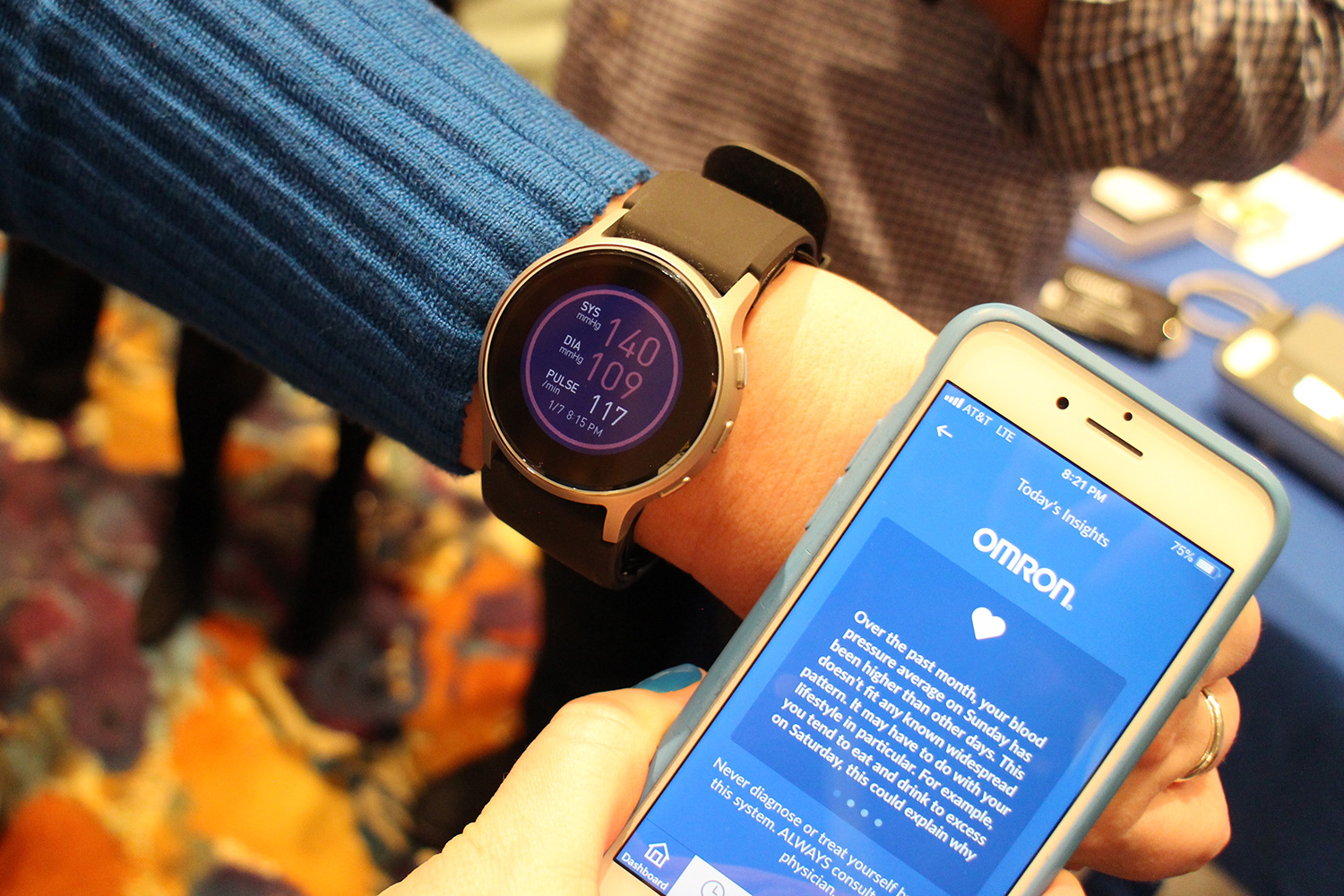
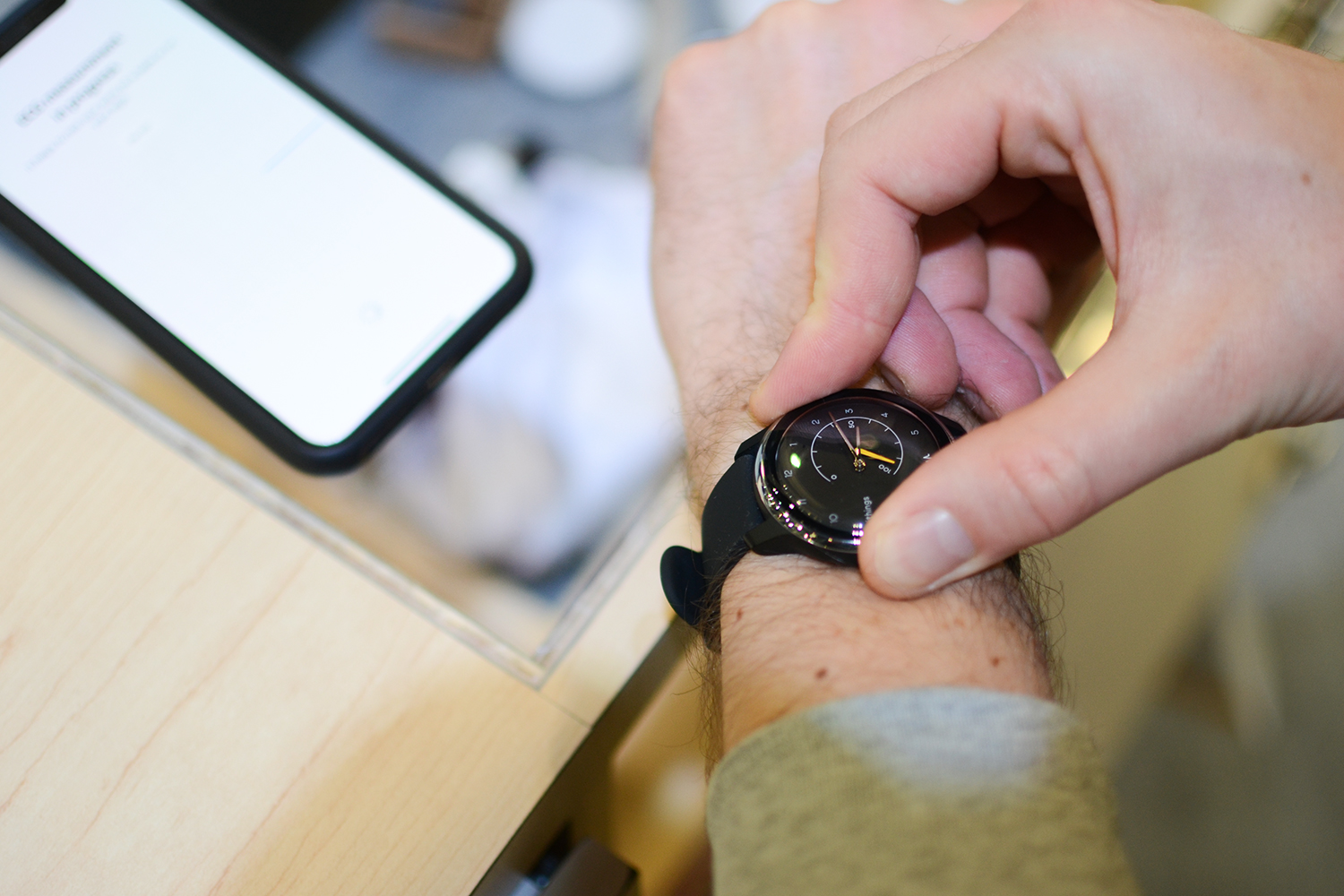
Omron’s HeartGuide and the Withings Move ECG herald key moves int0 the wearable space: Current devices are focused largely on fitness, or smartwatch functionality. That’s okay and all, but monitoring your health more effectively is the real killer app. Would you spend $400 or $500 to save your life?
The kicker for your ticker is doing more with the data, however. According to some reports, a third of the world’s data is going to be generated by the healthcare industry. (Frankly, I’ve heard the exact same thing about autonomous cars. Point is, there’s a lot of new data being generated from a lot of new sources.) Think about those wearables, and the continuous stream of incredibly important health data coming out of them.
“We’re on the cusp of understanding something really important about human nature. It sounds pretentious but that’s a real thing for us.”
To analyze that info in any meaningful way, these devices need to be paired with the vast advances in AI and machine learning in recent years. Algorithms will soon support doctors by analyzing all of that data, teasing our relevant trends or potential problems, and proactively letting us know when issues arise.
So who will lead the charge in the healthcare data revolution? I suspect Google will play a key part. The company has already taken a leadership role in big data; keeping us healthy by helping study the vast troves of information that will come off of our wrists seems to jibe nicely with the company’s motto, “organizing the world’s information” – and its former motto, “do no evil.” Ensuring that people are comfortable sharing personal data of this nature is the real challenge.
Meanwhile, Microsoft is paving the way with machine learning and artificial intelligence. You might not think so, given how crummy Cortana is, but AI is so much more than mere voice assistants. So it’s a good thing the Windows giant may ultimately kill the assistant, as some believe. Microsoft has been talking about AI for years; in early 2014, Peter Lee, head of Microsoft Research, told me about the company’s work in this area. Lee really believes that machine learning and smarter computers could shape society, and bring us to a deeper understanding of what makes us all tick.
“We’re on the cusp of understanding something really important about human nature. It sounds pretentious but that’s a real thing for us,” he said at the time. “Research is a long game.”
Let’s see if they stayed in the game long enough to reap the rewards.