1. Home
  2. Cars
  3. Emerging Tech
  4. Virtual Reality
  5. News

Ford is using Microsoft’s HoloLens to change the way cars are designed

Add as a preferred source on Google

Microsoft’s HoloLens celebrated had its first birthday earlier this year, and the company believes it can change all sorts of everyday activities through the power of augmented reality. That includes potential applications in the car world.

Virtual car design has gotten one step closer to reality, though some industry traditions are being kept around. Thus clay models are being used alongside virtual media to create mixed media. Microsoft calls this “mixed reality” and defines it as “the result of blending the physical world with the digital world.”

Recommended Videos

Lorraine Bardeen, General Manager, Microsoft HoloLens and Windows Experiences, shared news of the company’s latest collaboration with automaker Ford, which is “embracing the digital transformation of the modern workplace across the company to make people’s lives better in vehicles today while exploring evolving mobility solutions such as autonomous vehicles of tomorrow.”

One cited example is grille design — designers were able to speed the process of development from days with multiple physical models to just hours with a HoloLens and just one physical model. Designers can use the system to view their work in three dimensions without engaging in the time-consuming process of making a physical model.

In the car industry, full-size clay mockups of new designs are typically built and shown to executives for approval, but doing it all digitally could allow designers to incorporate any changes more easily. It would also save a lot of clay.

Ford already uses full-on virtual reality headsets to allow groups of designers to go over new cars — even when they’re not on the same continent. Teams can share their findings and notes in confidentiality with a lowered risk of leaking prototype designs.

The advantage of HoloLens is that it allows users to view virtual projections overlaid onto the actual environment. That makes it potentially easier to use in the real world.

Don’t be surprised to see automotive applications if it ever goes mainstream, though, if for no other reason than so automakers can feel good about being swept up in the technological zeitgeist.

Update: Included information on Microsoft’s collaboration with Ford to make mixed media car design a reality.

Stephen Edelstein
Stephen is a freelance automotive journalist covering all things cars. He likes anything with four wheels, from classic cars…
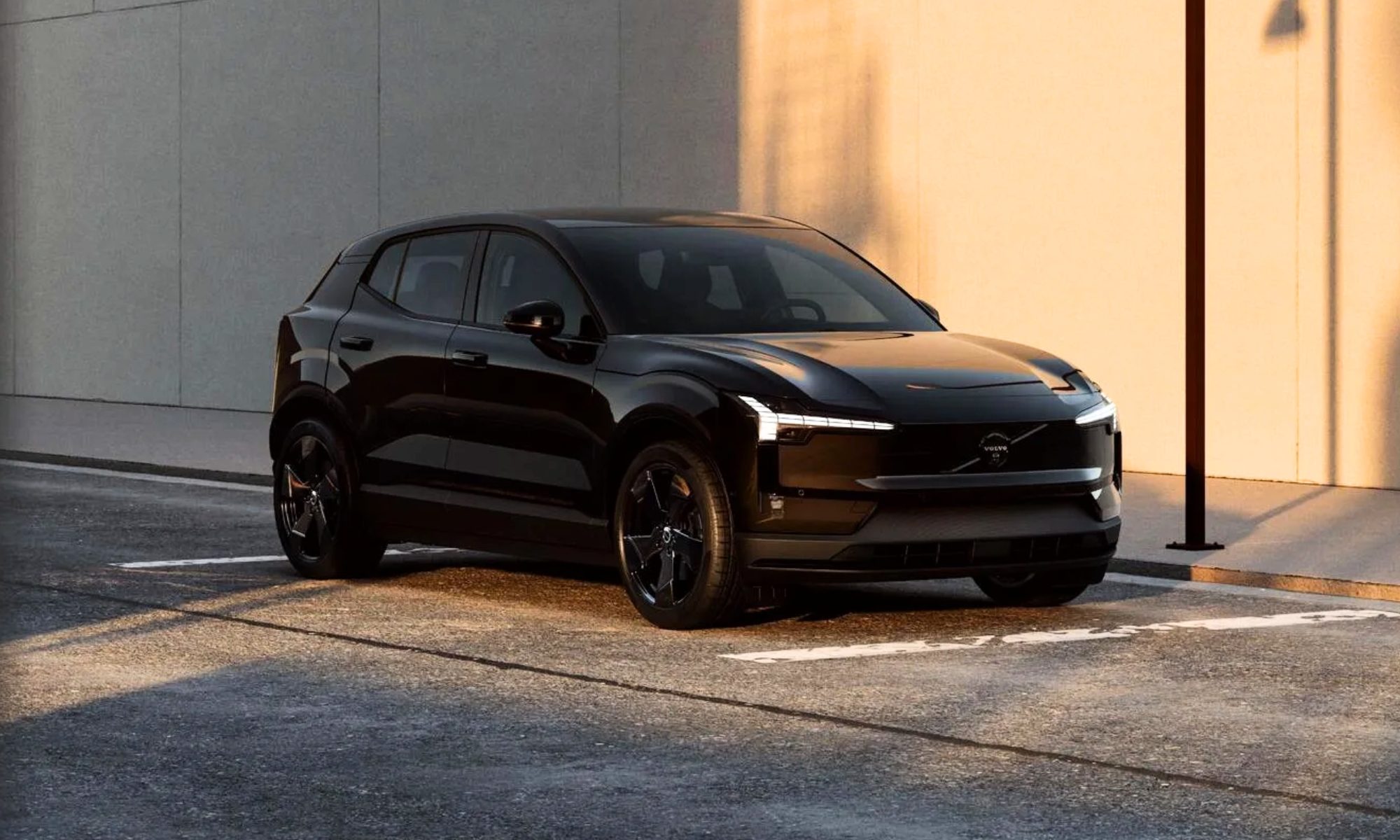
Volvo’s purported EX50 could be the budget-friendly plot twist nobody saw coming
Volvo's next electric SUV could shake up the EX lineup with more room and a smaller price tag.
Volvo EX30 front profile.

Volvo’s electric lineup needed a genuinely affordable entry point, and a new report suggests that buyers might actually get one. 

According to a new Automotive News report, Volvo is quietly working on a compact electric crossover, called the EX50. It will be aimed at replacing the dated EX40 in the US sometime in 2027. 

Read more
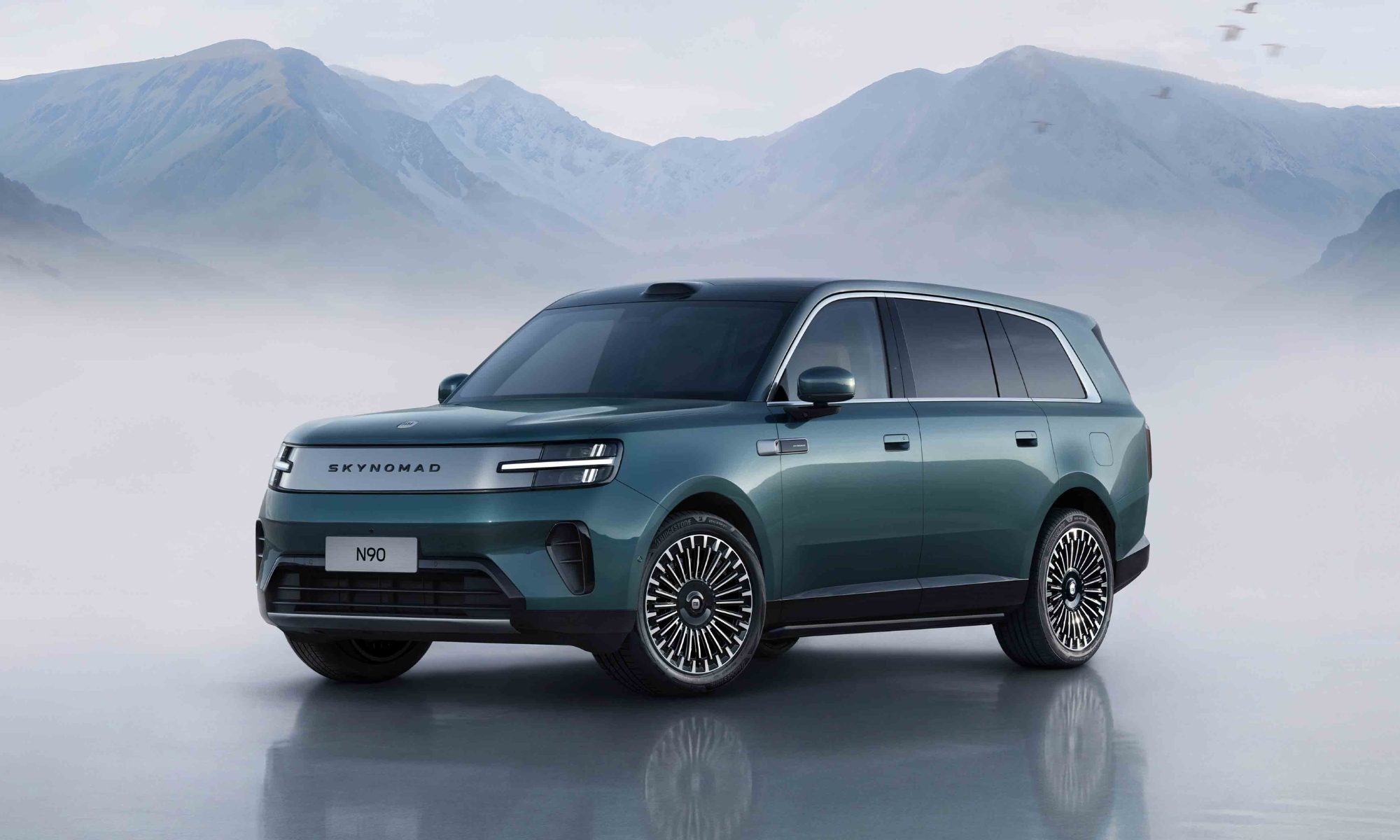
Xiaomi just launched an SUV with seven seats and a bedroom upstairs
Xiaomi’s SkyNomad SUV could replace your car, office, lounge, and tent
Skynomad

Xiaomi’s new family SUV is basically a house on wheels with enough claimed range to cover more than 1,000 miles. It also costs considerably less than its outlandish feature list might suggest. The company has officially launched the SkyNomad N90 Max in China for 299,900 yuan, equivalent to roughly $44,400 through direct conversion.

Preorders are open now, with the first vehicles expected to reach customers in September. The converted figure provides useful context, though it does not represent pricing outside China. Xiaomi describes the seven-seat flagship as a “house you can move.” This unusually grand pitch starts making sense once you see what happens inside.

Read more
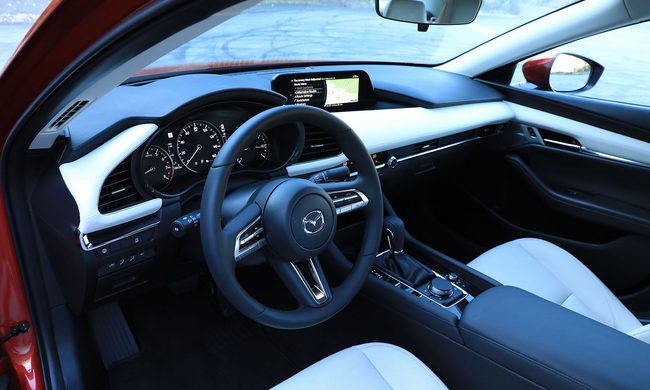
Mazda chief says the MX-5 Miata could go electric
2019 Mazda Mazda3 AWD review

For years, the idea of an electric Mazda MX-5 Miata felt almost impossible. The little roadster has always been celebrated for one thing above everything else: keeping things light. Add a heavy battery pack into the equation, and many enthusiasts assumed the Miata's trademark driving character would disappear along with it.

Mazda, however, appears to have changed its mind. In an interview with German publication auto motor und sport, Mazda CEO Masahiro Moro confirmed that the next-generation MX-5 is being developed with the possibility of an all-electric version in mind. It doesn't mean the iconic roadster is abandoning gasoline anytime soon. Still, it does suggest Mazda wants the Miata to survive in a future where internal combustion engines may no longer be an option.

Read more