Take a look at our best TVs list that we created using our reviews and ratings.
If you’re ever in a need of a conversation starter, try the good ‘ole Plasma versus LCD debate—you’ll surely get a fun dialogue going over these competing technologies. There are many things to consider with this battle—picture quality, type best suited for viewing, size, price, energy cost per year—but what you really need to figure out, is what HDTV panel best suits you and your lifestyle. To complicate this issue further, price and size have been leveling out the playing field this year as LCD TVs are now being made in larger sizes and at competing prices with plasma. Here are some comparisions and facts to help you win which ever side you choose to argue and assist you in deciding which HDTV technology is best for you.
Picture contrast
Picture contrast is considered the most important aspect of HDTV performance by some industry experts. The main reason for the differences in picture contrast, motion resolution, and viewing between the two panel types is because LCD and plasma TVs use different methods to illuminate their screens. LCD screens are typically brighter than plasmas and tend to produce less glare in a brightly lit room. Plasmas produce deeper black levels making them a better choice if you do a lot of viewing in a home theater type atmosphere, with your room’s lights dimmed. Some LCD TVs also use LED backlighting, giving it a better picture contrast. The LEDs switch on and off rapidly, achieving an outstanding contrast and deep black levels.
Plasma and LCD are very close to in this category. They both produce excellent picture contrast quality—although, plasmas traditionally have a better contrast. Also, another thing to keep in mind is that it would probably be more useful to compare models from the same manufacturers because most manufacturers measure picture contrast differently from each other.
 Viewing angle
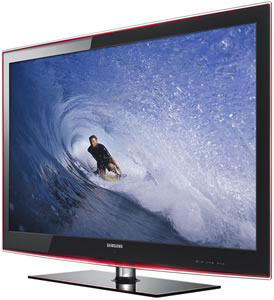
The viewing angle of a TV is more important than you think. All TVs have great picture quality when looking at the screen straight on, but what about during those crowded Super Bowl games, when you’re the one stuck on the far left side of the room, or laying on the floor looking up at the screen—kind of hard to see the game from that angle. LCD TVs have more issues with viewing angles than plasmas do. This is because most LCDs use a constantly shining fluorescent backlight. The LCD pixels act like window shutters, opening and closing to let light through. It’s this shutter effect causing the viewing distortion and limitations as you moves more “off-axis” from the direct view of the TV. The plasma TVs tend to win with viewing angles.
Longevity
A LCD display will last as long as its backlight does, since the majority of the wear and tear is happening to the backlighting. Some experts say that as the fluorescent backlighting ages, the color change, throwing the whole TV off. The best solution is to recalibrate the TV. Of course, with LED backlight LCD HDTVs, there is far more stability and also more protection for the white balance over time.
Plasmas TVs on the other hand use electric currents to stimulate gases like xenon and neon—so these elements fade more naturally over time and last about as long as an LCD would. LCD used to have a leg up on plasma in longevity, but with these current plasma models, we’d say it’s pretty even right now. Plasma and LCD are tied for the longevity win. Certain makes and models of these differing products may attest this tie, but as a general statement—these two technologies are about the same in this category.
Product Size and Cost
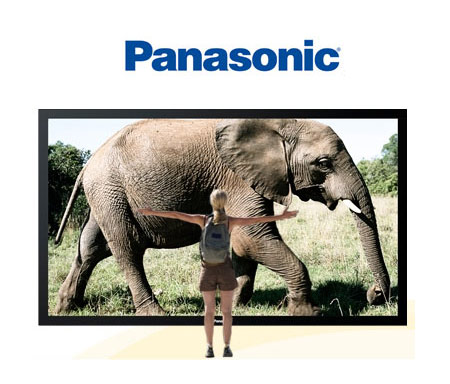
Although plasma is still in the lead for size, both plasmas and LCDs are becoming more readily available in larger sizes. Plasma has been and still is in the lead in terms of product size and product value. Even the ridiculously large plasma displays are quite reliable, and will be better on your pocket book than an LCD one. Pioneer, LG, Samsung and Panasonic all boast plasma TVs over 60” and the companies claim none of them have had the “kinks” found in most big screen TVs.
Large plasma displays will probably consume a lot more power than you may be willing to pay for—like 675 watts for a 65 “display compared to 330 watts for a 42” plasma. Even though plasma has the advantage of the lower price tag and product size, LCD is creeping up there to try to make it even with them. Production costs and retail prices have come down for both technologies giving LCD the advantage to up its game and lower its price tag, but plasmas can still be about 30% cheaper than most LCDs.
Power Consumption
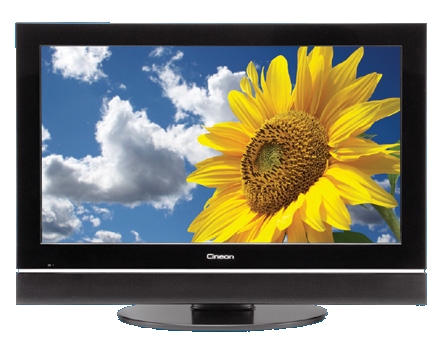
LCDs are the “greener” option in this battle. LCDs use florescent backlighting to produce images therefore requiring less power to operate than plasmas do. And just to emphasize thepower consumption difference: LCD TVs consume about half the power that plasma TVs consume. This because plasma requires a lot of electricity to light each and every little pixel you see on that screen—and that’s a lot. Plasma manufacturers have improved voltage consumption and are still working on more ways to make their plasma displays more energy efficient. Currently, they are trying to push the plasma TV consumption requirements to consume around a third more power for the same size display.
So which flat panel HDTV is right for you? Let’s put it this way…
If you like plasma HDTVs, then you like…
- Rich, warm colors and deep black levels
- Affordably priced displays—plasmas usually have lower price tags and have larger screen sizes
- Wide viewing angles—plasmas are often considered to have better “film-like” viewing quality
- Dull lighting in your viewing room—plasma screens are more likely to reflect room lighting, so it’s important to have control over the amount of light in your viewing room
- Watching TV shows and playing video games for only a few hours at a time— with plasmas, although highly unlikely with current models, the possibility of screen burn-in still exists, so careful when watching shows or playing games with static images for more than 4 hours at a time.
Or
If you like LCD TVs, then you like…
- To watch multiple, consecutive hours of TV shows or movies, and could spend days playing video games.
- To watch daytime TV or movies during the day—LCD screens have a matte finish, making them pros at resisting glare and making it easy to watch TV or movies in a bright, day-lit room without much reflection.
- To be green—LCD TVs are usually more energy efficient than plasmas.
Editors' Recommendations
- Tidal vs. Spotify: Which music streaming service has the features you need?
- Sling Orange vs. Sling Blue: Which Sling TV package is best?
- The best TV brands of 2024: from LG to TCL, which should you buy?
- HDMI ARC or digital optical: what’s the difference, and which is best for you?
- LED vs. LCD TVs explained: What’s the difference?