California may have defeated its anti-encryption bill, but the New York Police Department doesn’t want that happening in the Big Apple.
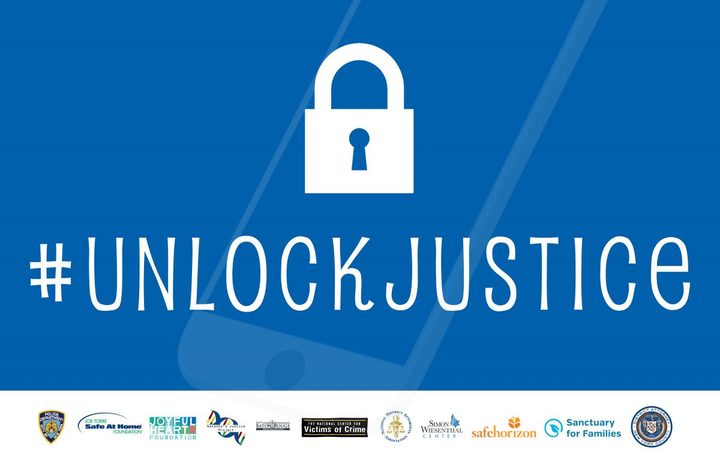
The department has officially launched a campaign, “#UnlockJustice,” which calls for legislation that would provide “backdoor” access into encrypted services and devices, like smartphones, to assist in criminal and terrorist investigations.
“The debate over encryption is often referred to in terms of privacy and security, with little regard for the impact on crime victims.”
All across the States, law enforcement are running into roadblocks in criminal investigations, as more and more smartphones and other personal devices are encrypted by default. Getting access to criminal’s encrypted devices through backdoors would help criminal investigations, in case the devices have any supplemental information.
The campaign comes in the midst of an ongoing war between Apple and the Department of Justice, after Apple refused to create special code that would weaken the security of the San Bernardino shooter’s iPhone and all other iPhones. The FBI dropped that case after it paid “gray hat” hackers to unlock the shooter’s iPhone, but the Justice Department says it still needs Apple’s help to unlock another iPhone in a similar, but unrelated New York drug trafficking case.
There are hundreds of cases in which we can’t access key evidence due to encryption,” -NYPD Chief of Intel. pic.twitter.com/LIqnLpUzUG
— NYPD NEWS (@NYPDnews) April 18, 2016
It doesn’t always turn out to be helpful, though. Although the FBI waged a month-long war against Apple for access to the San Bernardino shooter’s phone, the investigation of the now unlocked device has yet to provide anything substantial.
While the government believes getting into these devices is crucial to aiding investigations on drug trafficking, terrorist matters, and more; overwhelming numbers of tech, security, and legal experts, as well as cryptographers and major tech companies, believe weakening encryption with backdoors will only be harmful for Americans’ security and privacy.
“In order to address a security-related issue related to encryption in one case, the authorities risk unlocking a Pandora’s Box that could have extremely damaging implications for the human rights of many millions of people, including their physical and financial security,” the United Nations High Commissioner for Human Rights, Zeid Ra’ad Al Hussein, wrote in an amicus brief supporting Apple.
A recent poll by ACT The App Association surveyed 1,259 Americans and found that 92 percent of people agreed that encryption was necessary to protect data. More than 54 percent said they trusted companies more than the federal government to keep their data secure.
Interestingly, 85 percent of respondents also believe that “digital encryption and security features help prevent crime and terrorism.”
Even so, the NYPD may still get its wish — two U.S. senators unveiled an anti-encryption bill last week, one that provoked the ire of tech and legal experts around the country. The bill, which is still a discussion draft, would force companies to comply with court orders requesting access into their encrypted services. The Obama administration has said it would likely not support any anti-encryption legislation.
The NYPD’s argument comes from the side of victims. Manhattan District Attorney Cyrus Vance, Jr., said Americans have a right to privacy, but victims have “the right to have cases solved with the strongest evidence available.”
“The debate over encryption is often referred to in terms of privacy and security, with little regard for the impact on crime victims,” Vance said. “That limited view ignores the effect of encryption on the investigation and prosecution of crimes ranging from homicide to identity theft to sexual assault.”
New York does have an anti-encryption bill in legislation, but it has been in committee since it was introduced in January. The bill would place a $2,500 penalty on companies that refuse to comply with court orders that request access to user data.