1. Home
  2. Phones
  3. Mobile
  4. Photography
  5. Social Media
  6. News

Snapchat courts charges of racism again, this time with ‘yellowface’ filter

Add as a preferred source on Google

Snapchat just doesn’t know how to learn from its mistakes. Barely four months after being lambasted for its “digital blackface” in the form of a Bob Marley filter, the social media platform is making questionable decisions again. Dubbed “yellowface” by some very, very incensed Twitterers, a new Snapchat filter released earlier this week turned users into stereotypical Asian caricatures, complete with squinting eyes and a strangely rosy-cheeked complexion.

.@Snapchat wanna tell me why u thought this yellowface was ok?? pic.twitter.com/sgpW4AFPsE

— grace (@frigidartbitch) August 9, 2016

It’s far from the first time Snapchat has been hit with accusations of racism, though this may be one of the most overt instances to date. Previously, users questioned a number of the app’s “beautifying” filters, many of which seemed to lighten skin and widen eyes. And while there may have been shades of grey in those cases, critics of the most recent filter say that a very definitive line has most definitely been crossed.

Recommended Videos

https://twitter.com/engravedhearts/status/763076322037862400?ref_src=twsrc%5Etfw

@Snapchat @snapchatsupport idk if u realize, but this filter is yellowface and u should take it down pic.twitter.com/MLSHz0Bbkl

— tiny tim (@limb_light) August 9, 2016

One Twitter user decried the filter as the “most overtly racist filter ever,” and some others even pointed to Snapchat’s own community standards. You know, the ones that ask you to “be thoughtful about what you Snap,” and that warn users not to “bother or make other people feel bad on purpose.” Apparently, its own rules don’t apply to management in the nation of Snapchat.

On Wednesday, the company responded to the swaths of criticism, referring to the filter as an “anime-inspired Lens.” In a departure from its previous indignant defenses of problematic filters (with regard to the Bob Marley feature, Snapchat told CNN, “[The lens] gives people a new way to share their appreciation for Bob Marley and his music”), the app this time seemed to realize its fault. Though it stopped short of apologizing, Snapchat did note that the lens had “expired” and “won’t be put back into circulation.”

So Snap away, friends. Because at least for now, there aren’t any yellowface filters ruining your fun.

Lulu Chang
Fascinated by the effects of technology on human interaction, Lulu believes that if her parents can use your new app…
Vibecoded apps are flooding Apple’s App Store, and users are getting sick of them
App Store submissions have doubled this year as AI tools make it easier than ever to build an app, but downloads haven't kept pace, and for good reason.
Apple App Store homepage on an iPhone

Apple's App Store is in the middle of its steepest submission surge in years. Developers submitted nearly 600,000 new apps last year, marking a 30 percent jump over the previous year. That number has already doubled to roughly 560,000 new apps in just the first six months of this year, according to estimates from analytics firm Sensor Tower cited by the New York Times. The reason behind the spike is vibecoding, which allows people with no prior development experience to create new apps using AI tools.

A familiar boom, with a twist

Read more
Google Photos adds a quick toggle between AI and classic search
Classic search is finally easier to reach for people who enabled Ask Photos
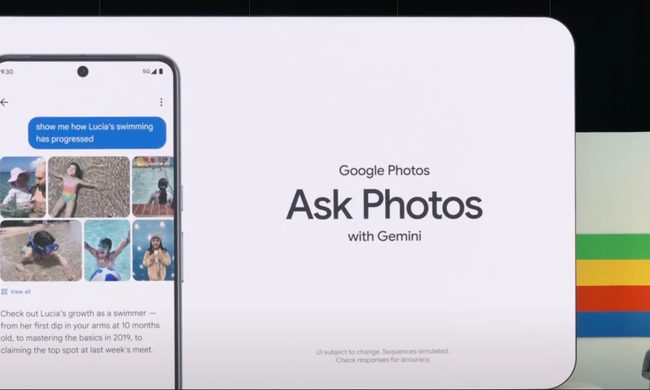
Google's Ask Photos debut.

Google Photos is giving users an easier way to leave its Gemini-powered search when a simple keyword would do. A new toggle now sits at the top of the results page, letting users switch between Ask Photos and classic search without digging through settings.

The change appears to address feedback from people who opted into Ask Photos but wanted a quicker way to return to classic search when Gemini was slower or less useful for a straightforward query.

Read more
Snapseed Camera now lets Android users save original photos and add geotags
Google updates Snapseed Camera with geotag support and non-destructive photo editing
Snapseed App

Google appears to be quietly turning Snapseed into something more than just a photo editing app. Over the past few weeks, the company has been steadily adding new capabilities to Snapseed Camera, its standalone camera app for Android. The latest update introduces two practical features that many smartphone users have come to expect from modern camera apps: the ability to save an untouched copy of every image for future editing and support for embedding location data directly into photos.

Neither feature is flashy, but together they make Snapseed Camera a more capable photography tool, particularly for users who like experimenting with filters without permanently altering their original shots. According to a report by 9to5Google, the features are rolling out with Snapseed Camera version 4.1.1.x on Android.

Read more