1. Home
  2. Phones
  3. Mobile
  4. News

AT&T’s ‘5G Evolution’ is a step on the true 5G path, but there is a ways to go

Add as a preferred source on Google

The race to 5G has officially kicked off — well, depending on what your definition of 5G is. On Tuesday, AT&T announced it has switched on its 5G Evolution service in Austin, Texas, and Samsung Galaxy S8 users can start experiencing the improved service right now.

AT&T claims its 5G Evolution spec is twice as fast as its current 4G LTE network, which OpenSignal rated at about 14Mbps on average in February. The Galaxy S8 series can take advantage because it uses Qualcomm’s Snapdragon 835 chipset, which supports data transfers at up to gigabit speed.

Recommended Videos

However, calling the service 5G is a bit misleading. The 5G standard has not been finalized yet and, while AT&T claims this Evolution network will lay the foundation for its future infrastructure, the technology isn’t necessarily cutting edge anymore. According to AT&T, 5G Evolution utilizes carrier aggregation, 4×4 Multiple Input, Multiple Output (MIMO) and 256 Quadrature Amplitude Modulation (QAM) to deliver faster data speeds — the same enhancements T-Mobile brought to its existing LTE network all the way back in September.

In other words, what AT&T is calling 5G Evolution is indeed an upgrade over existing LTE, but it is not even close to what true 5G is purported to offer when it arrives a few years from now. While much will likely change between now and then as to what officially constitutes 5G, one feature it will certainly bring is data speeds of at least 1Gbps. What AT&T is introducing now cannot even manage half that.

Again, it is still faster, but it is not 5G. In fact, it is a lot like how AT&T, T-Mobile, and Sprint were marketing technologies like HSPA+ and WiMax — iterations upon the 3G standard — as 4G, well before LTE was ever introduced. Never mind the fact that LTE still does not reach the initial agreed-upon standard for 4G.

While AT&T customers in Austin will be the first to receive 5G Evolution, the carrier says it expects to roll the service out to cities including Indianapolis, Atlanta, Boston, Chicago, Los Angeles, San Francisco, and Nashville, Tennessee next. By then, it is possible another phone featuring the Snapdragon 835, or an even more powerful system-on-chip with support for faster data speeds, will also launch to take advantage of AT&T’s improvements.

Adam Ismail
Former Contributor
Adam’s obsession with tech began at a young age, with a Sega Dreamcast – and he’s been hooked ever since. Previously…
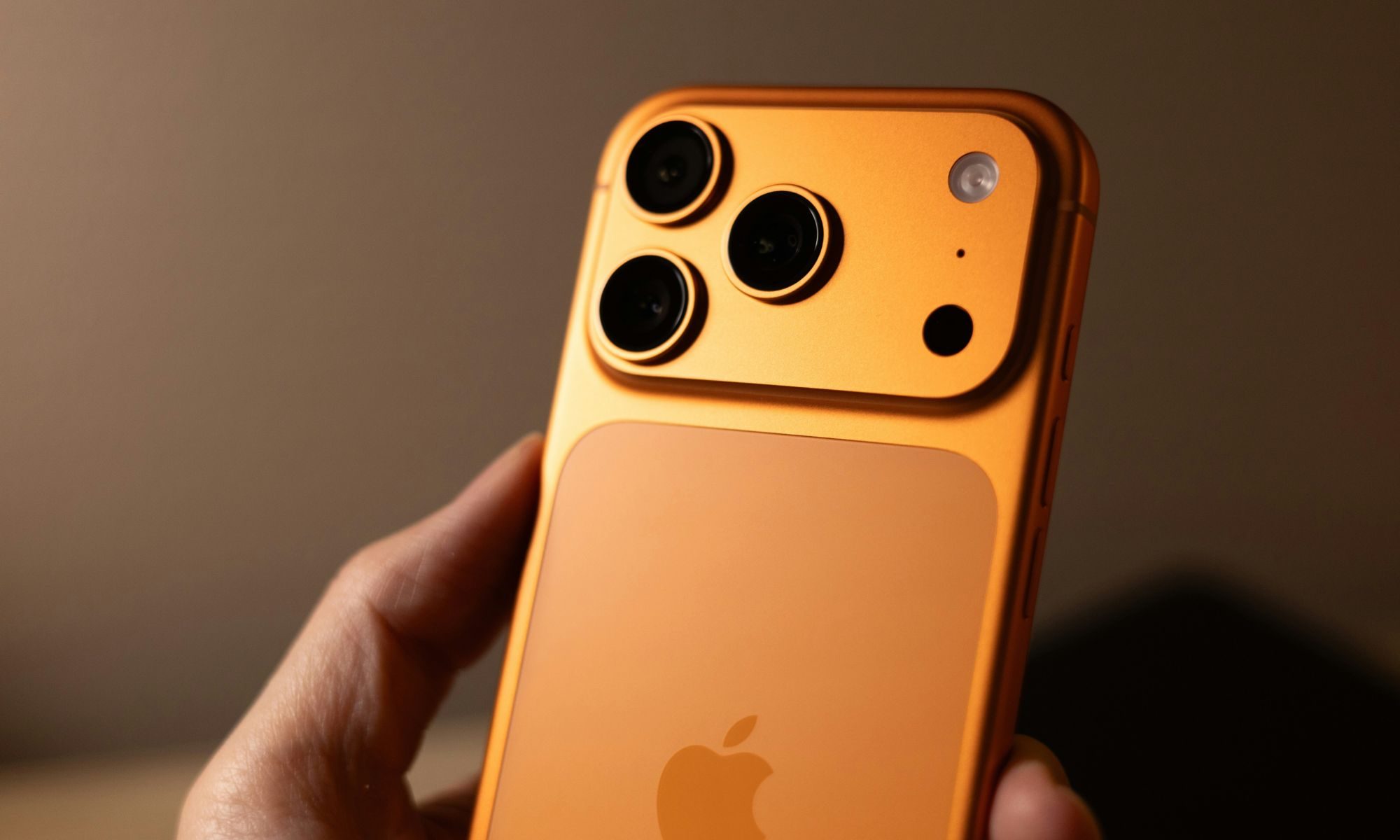
Apple’s next big iPhone display experiment could be its biggest yet
The company may be testing a 6.96-inch panel for a future flagship, although one leaker’s post is currently the only source for the exact measurement
iPhone 17 Pro Max

Apple may be testing a 6.96-inch display for a future iPhone, bringing its largest handset within a whisker of the 7-inch mark.

Leaker Digital Chat Station claims the experimental panel retains the same aspect ratio as Apple’s current Pro Max display. The post mentions the iPhone 20 Pro Max as a possible destination, but doesn’t connect the screen to a finished device. Apple could be exploring the size without putting it anywhere near a production line.

Read more
Vibecoded apps are flooding Apple’s App Store, and users are getting sick of them
App Store submissions have doubled this year as AI tools make it easier than ever to build an app, but downloads haven't kept pace, and for good reason.
Apple App Store homepage on an iPhone

Apple's App Store is in the middle of its steepest submission surge in years. Developers submitted nearly 600,000 new apps last year, marking a 30 percent jump over the previous year. That number has already doubled to roughly 560,000 new apps in just the first six months of this year, according to estimates from analytics firm Sensor Tower cited by the New York Times. The reason behind the spike is vibecoding, which allows people with no prior development experience to create new apps using AI tools.

A familiar boom, with a twist

Read more
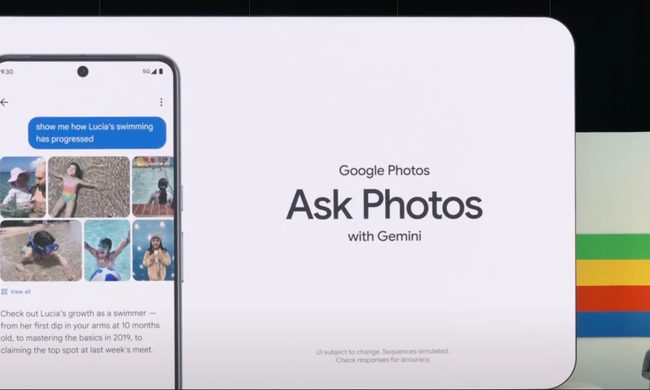
Google Photos adds a quick toggle between AI and classic search
Classic search is finally easier to reach for people who enabled Ask Photos
Google's Ask Photos debut.

Google Photos is giving users an easier way to leave its Gemini-powered search when a simple keyword would do. A new toggle now sits at the top of the results page, letting users switch between Ask Photos and classic search without digging through settings.

The change appears to address feedback from people who opted into Ask Photos but wanted a quicker way to return to classic search when Gemini was slower or less useful for a straightforward query.

Read more