1. Home
  2. Phones
  3. Mobile
  4. News

Amazon gives Alexa iCloud support as Apple reportedly preps its own speaker

Add as a preferred source on Google

Hot on the heels of recent news that Apple could be planning a Siri-powered speaker to take on Amazon Echo, the online retail giant has added iCloud Calendar support to Alexa’s roster of supported services.

According to Amazon, the feature is live in the U.S., U.K., and Germany, with more territories to follow. With the update, Echo users can now ask Alexa for updates on appointments made through iCloud, and even add events without ever using their Apple device.

Recommended Videos

Linking an iCloud account can be done through the Alexa app, in the settings. Alongside iCloud integration, Amazon’s digital assistant now supports a total of five calendar services: Gmail, Google’s G Suite for business users, Outlook (which includes Hotmail, Live, and MSN), and Microsoft Office 365 users with Exchange accounts.

Early rumors about Apple’s home speaker hinted at the inclusion of a touchscreen — something Amazon’s Echo range always lacked, up until just this month when it unveiled the Echo Show. According to the latest rumors, Apple engineers are testing prototypes in their homes and could reveal the device at the company’s Worldwide Developers Conference, which kicks off on Monday.

If Apple does have something up its sleeve, the one-two punch of the Echo Show, combined with Alexa’s newfound ability to speak iCloud is an astutely timed retort. Either way, Wednesday’s news is sure to please Amazon users. The company says iCloud support marked among its most requested features.

Until recently, Amazon had the home speaker market mostly all to itself. Lacking competition from Google and Apple, the retailer was allowed to pioneer the segment mostly uncontested.

That began to change with the release of the Google Home last fall and looks to shift again if and when Apple finally drops what it has been working on. Fortunately for Amazon, Echo has years of services, support, development, and public awareness to fall back on — and that may prove decisive in fending off the Apple juggernaut.

Adam Ismail
Former Contributor
Adam’s obsession with tech began at a young age, with a Sega Dreamcast – and he’s been hooked ever since. Previously…
TSMC might set up a price hike that could come straight for your next phone, laptop, or tablet
Here's what TSMC's rumored 10% chip price increase actually means in dollar terms, and why your next phone or laptop could end up costing more.
TSMC Fab

My wallet flinched the second I saw the words "TSMC" and "price increase" in the same headline, and honestly, yours should too.

Turns out the company behind the silicon powering basically every flagship device out there, including Apple’s A-series and Qualcomm’s Snapdragon processors, is reportedly about to make all of it a little pricier.

Read more
Samsung’s free storage doubling for preorders is gone in Austria, and the replacement isn’t as sweet
Samsung's free storage doubling deal might just be history.
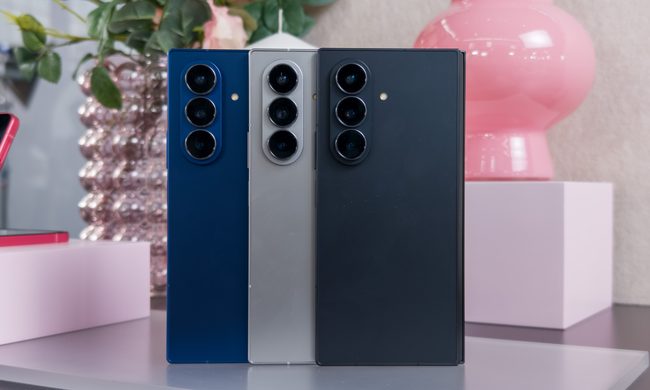
The back of the Galaxy Z Fold 7

If you've pre-ordered a Samsung foldable purely for the free storage bump, tomorrow's Unpacked event might sting a little.

For years, pre-ordering a new Galaxy meant automatically getting double the storage at no additional charge. Buy the 128GB model, walk away with 256GB for the same price. The same applied to the 256GB and 512GB models. However, that might change at the upcoming Galaxy Unpacked event. 

Read more
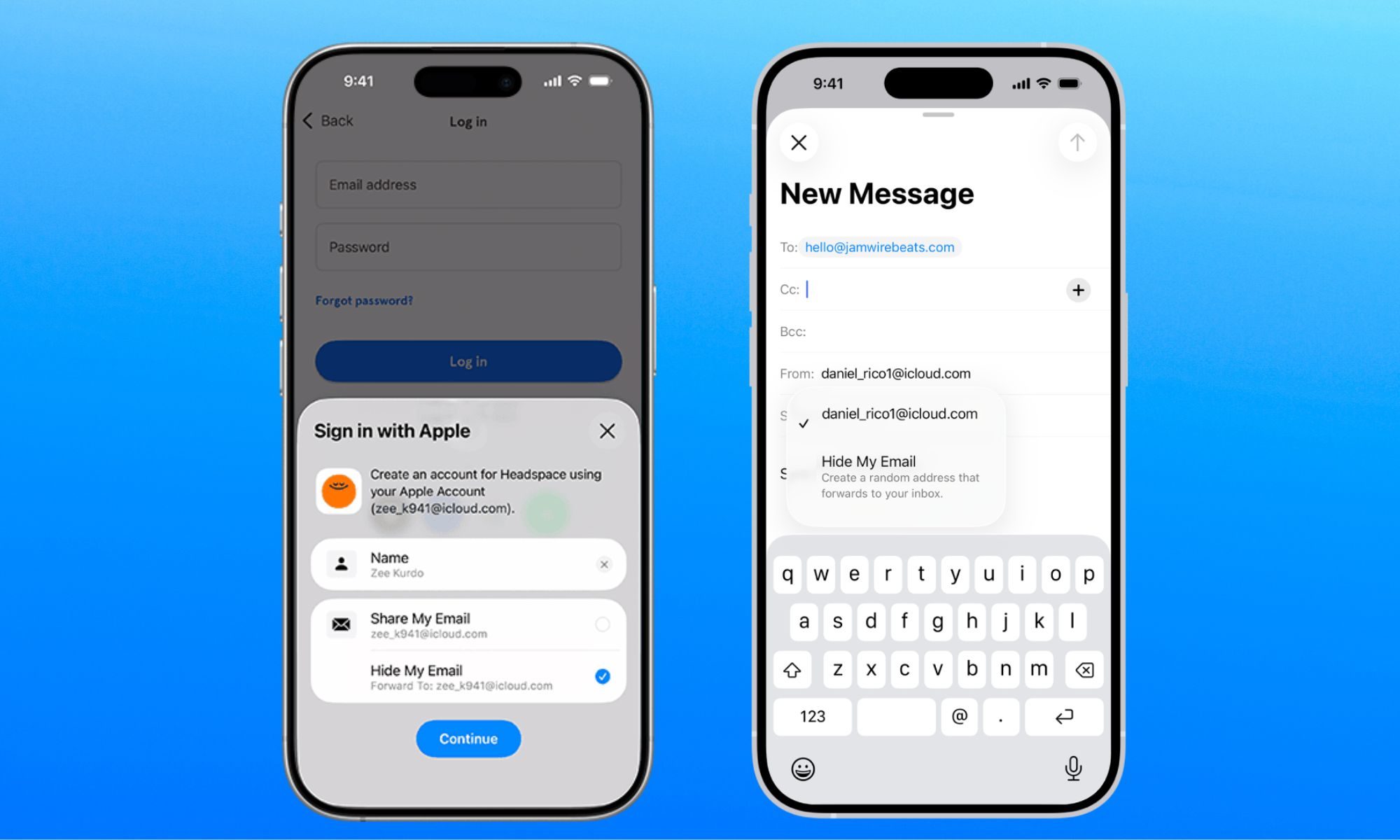
Apple fixes Hide My Email bug that exposed users’ real email addresses
Here's how Apple's Hide My Email flaw leaked real addresses for over a year, and why it only got fixed once the story went public.
apple-merging-sign-in-with-apple-hide-my-email-icloud+

Turns out the "Hide" part of Hide My Email wasn't doing its job quite as advertised, something that I covered early in July. Security researcher Tyler Murphy reported the flaw in June 2025, but despite Apple claiming it was resolved in March 2026, independent tests confirmed it remained exploitable, at least until July 3, 2026.

So how did this bug actually work?

Read more