Sometimes, one of the most challenging things about group cell phone plans is ensuring every member pays their fair share. If you draw from the same data bucket, it is pretty much inevitable that one or two folks will use much more than the others, which can make for uncomfortable conversations. Leave it to Google, the brains behind prototypical cell phone carrier Project Fi, to come up with a solution: Automatic bill payments.
“To take the headache out of sharing your wireless plan, today we’re introducing group repay — an easier way to split your Project Fi group plan,” Project Fi product manager Marcia Jung wrote in a blog post. “Each month, we’ll calculate participating members’ portion of the bill, send out payment reminders, and provide a simple way for members to repay plan owners directly through Project Fi.
If you are sharing your Google Fi account with one or more people, there is a new way to pay your bill: Group Repay. Participating group plan members have the option of paying individual totals, fixed monthly amounts, or the cost of data they used on top of the basic plan’s cap. Members get reminders when payments are due, or have the option automatic monthly repayment to a debit card or checking account.
It is even easier if they use Wallet, Google’s mobile payments app. Plan subscribers can make payments from a notification on their Android home screen and browse past charges and payment statuses to see how their contributions compare.
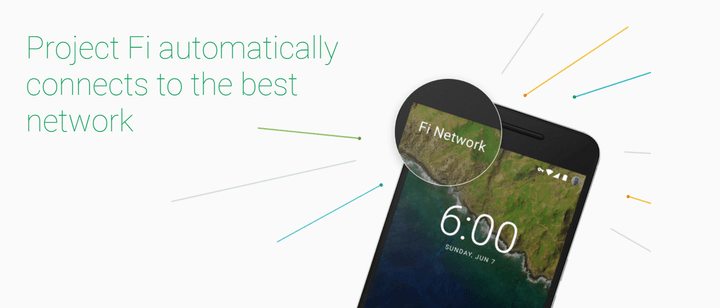
“You shouldn’t have to pull out a calculator every month to figure out everyone’s share of the phone bill,” Jung wrote. “There are many different ways to split the bill, but whatever you decide, Project Fi will do the math.”
To celebrate the launch of Group Repay, Google’s throwing in a free month of Fi Basics for new subscribers. New plan members who activate by July 17 and remain active for 30 days get a $35 credit when they add a new Project Fi subscriber to their group plan.
Project Fi, which launched in 2015, is a mobile virtual network operator (MVNO) that provides phone, messaging, and data services using a combination of Wi-Fi and cellular networks belonging to Sprint, T-Mobile, U.S. Cellular, and Three. Subscriptions start at $20 per month for unlimited calls and messaging, $10 for a gigabyte of data per month, and $15 per month per additional user. Money for unused data is credited back to users’ accounts.
Not every device is supported, unfortunately. As of now, only the Nexus 6P, Nexus 5X, Nexus 6, and Google’s Pixel-branded devices are fully compatible.
Google expects Group Repay to simplify bills for the millions of people on group cellphone plans. According to the Mountain View, California-based company, about 50 percent of people aged 18 to 34 who have a group plan share their plan with their parents, and half pay at least some share of the bill. Another 42 percent share their plans with a spouse or significant other, and 5 percent share it with their friend or roommates.